
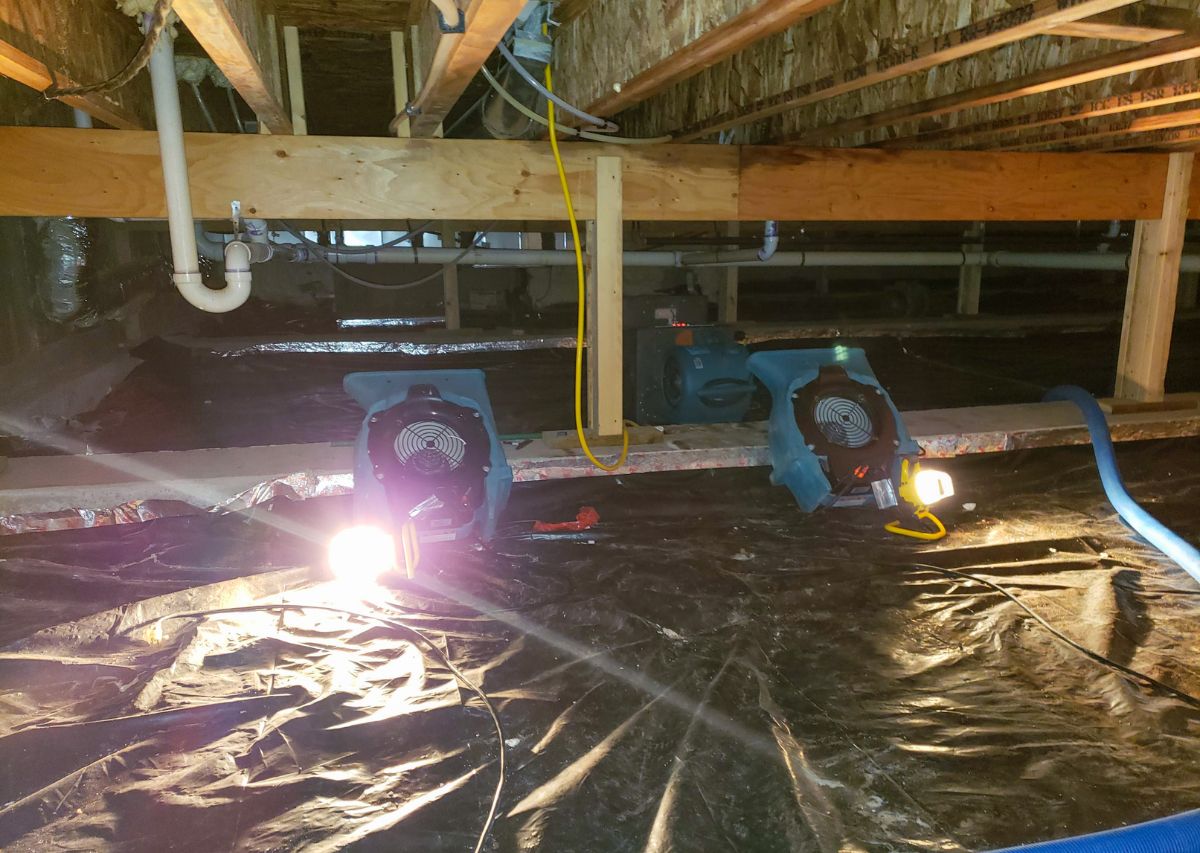
Finding a pool of liquid beneath your home can be a stressful discovery for any property owner. If you are currently wondering how to get water out of your crawl space, it is important to act quickly to mitigate structural risks. Standing water can lead to wood rot, pest infestations, and hazardous mold growth if it is not addressed with precision and care.
Identifying the Source of the Intrusion
The first step in learning how to get water out of your crawl space is identifying where the moisture is coming from. Common culprits include heavy rainfall, poorly directed downspouts, or a hidden plumbing leak within the floor joists. You must stop the flow of new water before you can effectively begin the extraction and drying process.
Examine the perimeter of your home during a rainstorm to see if water is pooling against the foundation. If the soil is saturated, it can seep through small cracks or porous concrete blocks into the lower cavity. Understanding this external pressure is vital when you are determining how to get water out of your crawl space and keep it out with professional property restoration services.
Internal leaks are often harder to spot but can be identified by looking for damp spots on the underside of the subfloor. A slow drip from a pipe can accumulate over several weeks, creating a significant puddle in the low points of the dirt floor. Pinpointing the exact source ensures that your repair efforts are targeted and successful.
Safety Precautions for Standing Water
Before you enter the area to learn how to get water out of your crawl space, you must consider electrical safety. Submerged wires or junction boxes can energize the water, creating a lethal shock hazard for anyone stepping into the puddle. Always turn off the power to the lower levels of the home at the main breaker box first.
Wear protective gear, including waterproof boots, rubber gloves, and a high-quality respirator to protect yourself from contaminants. Crawl spaces are often home to rodents and insects that can leave behind droppings or carry diseases that are harmful to humans. Maintaining personal safety is the most important part of the entire restoration project.
Ensure there is adequate ventilation before you spend an extended period of time in the confined space. Stagnant water can release gases or foster the rapid growth of fungal spores that are dangerous to breathe in small areas. If the air feels heavy or smells strongly of rot, it is best to consult with a specialist.
Methods for Water Extraction
The physical process of how to get water out of your crawl space usually starts with a heavy duty submersible pump. These devices are designed to sit in the lowest point of the area and push large volumes of liquid out through a discharge hose. This is the most efficient way to remove deep standing water quickly.
For smaller puddles or damp soil, a wet-dry vacuum with a high-capacity tank can be very effective. This allows you to target specific areas and remove water from tight corners where a large pump might not fit. Be prepared to empty the tank frequently, as water is surprisingly heavy and accumulates very fast.
If the water has soaked deep into a dirt floor, you may need to dig a temporary sump pit to collect the drainage. This allows the surrounding soil to bleed off excess moisture into a central point for easier pumping. Mastering these extraction techniques is a core part of how to get water out of your crawl space.
Drying and Humidity Control
Once the standing liquid is gone, the next phase of how to get water out of your crawl space involves removing the remaining moisture. Industrial-grade air movers should be positioned to circulate air across the floor and along the foundation walls. High velocity airflow is the fastest way to encourage evaporation from porous surfaces.
A powerful dehumidifier is also necessary to pull the evaporated moisture out of the air and prevent it from soaking back into the wood. Standard household units are often too small for the heavy moisture loads found in a flooded crawl space. You need a commercial grade unit that can handle the constant demand of a damp environment.
Monitor the progress using a moisture meter to ensure that the floor joists and subfloor are returning to a safe level. Wood should ideally be below fifteen percent moisture content to prevent the development of wood-destroying fungi. Consistent monitoring is the only way to know when the drying process is truly complete.
Essential Tools for Restoration
- Submersible utility pumps are vital for removing large volumes of water from the lowest points of the foundation.
- Industrial air movers create the necessary airflow to speed up the evaporation of moisture from soil and wood.
- Commercial dehumidifiers are required to maintain low humidity levels and prevent secondary water damage like expert mold remediation.
- Moisture meters allow you to take precise readings of the wood and soil to verify that the area is drying correctly.
- Sump pump systems provide a permanent solution for managing groundwater and preventing future flooding events.
- HEPA air scrubbers help to clean the air of dust and mold spores that are stirred up during the cleaning process.
Cleaning and Sanitizing the Area
After the area is dry, knowing how to get water out of your crawl space also involves sanitizing the affected surfaces. Flood water often contains bacteria, silt, and organic matter that can leave behind unpleasant odors and health risks. Use an antimicrobial cleaner to scrub the foundation walls and any exposed wood framing.
If the insulation has become wet, it must be removed and discarded immediately, as it loses its thermal value and traps moisture. Replacing old, soggy fiberglass with new insulation helps to restore the energy efficiency of your home and prevents hidden mold. This is a messy but necessary step in the restoration of your property.
Pay close attention to the vapor barrier if one was previously installed in the crawl space. If water gets underneath the plastic, it can trap moisture against the soil for months, leading to a persistent musty smell. Cleaning or replacing the vapor barrier is a key part of the process for how to get water out of your crawl space.
Preventing Future Water Intrusion
The final part of learning how to get water out of your crawl space is ensuring that it never happens again. Grading the soil around your foundation so that it slopes away from the house is one of the most effective prevention methods. This uses gravity to move rainwater away from the vulnerable lower levels of your home.
Installing a permanent sump pump with a battery backup is a smart investment for homes in areas with high water tables. This system will automatically activate when water reaches a certain level, providing constant protection even during a power outage. A reliable pump is your best defense against the recurring costs of water damage.
Consider an encapsulation project, which involves sealing the entire crawl space with a heavy-duty plastic liner and adding a dedicated dehumidifier. This creates a conditioned space that is much less likely to suffer from moisture issues or pest infestations. Encapsulation is the ultimate solution for homeowners who want to master how to get water out of your crawl space for good.
Choosing the Right Professional Help
Many homeowners find that the physical demands of how to get water out of your crawl space are too much to handle alone. If you are unsure who to call for water in crawl space issues, look for a certified water restoration company or specialists in specialized tragedy clean-up for more severe contamination. These experts have the training and specialized equipment to handle hazardous environments safely and efficiently.
Professional teams can also identify structural issues that a homeowner might miss, such as failing support piers or cracked footings. They provide a comprehensive assessment and a detailed plan for both the extraction and the long term prevention of leaks. Trusting the experts ensures that your home remains a safe and stable environment for your family.
When you hire a professional, you also benefit from their experience with insurance claims and documentation. They can provide the necessary proof of the damage and the steps taken to fix it, which is vital for a successful claim. Choosing the right help is a critical part of the journey for how to get water out of your crawl space.
Structural Impacts of Standing Water
Leaving water beneath your home can have devastating effects on the structural integrity of the entire building. Wet wood is soft and attractive to termites and carpenter ants, which can cause significant damage in a short amount of time. Learning how to get water out of your crawl space protects your most valuable financial asset from these silent threats.
Humidity from the crawl space can also rise into the living areas of your home, causing hardwood floors to buckle or doors to stick. This process, known as the stack effect, pulls air and moisture from the bottom of the house to the top. By controlling the moisture at the source, you improve the air quality and the comfort of your entire residence.
Foundation settling can also occur if the soil beneath the footings becomes too saturated and loses its ability to support the weight. Cracks in the drywall or brickwork are often the first outward signs of a moisture problem in the crawl space. Taking proactive steps today prevents these expensive and difficult repairs from becoming a reality tomorrow.
The Role of Vapor Barriers and Liners
A high-quality vapor barrier is an essential component of a dry and healthy crawl space environment. It acts as a shield that prevents ground moisture from evaporating into the air and reaching your wooden floor joists. When you are studying how to get water out of your crawl space, the condition of the liner is a top priority.
Ensure that the plastic is at least six millimeters thick and that all seams are overlapped and taped securely. This creates a continuous barrier that keeps the humidity levels under control even during wet seasons. A properly installed liner is a low cost way to provide a significant amount of protection for your property.
If your current barrier is torn or covered in silt from a recent flood, it is best to replace it entirely during the restoration. This gives you a clean slate and ensures that no contaminants are trapped in the soil. Maintenance of the vapor barrier is a lifelong task for anyone who wants to know how to get water out of your crawl space.
Dealing with Mold and Mildew
Mold growth is almost a certainty if water is allowed to sit in a dark and poorly ventilated crawl space for more than forty eight hours. Fungal spores can spread quickly through the floorboards and into your HVAC system, affecting the health of everyone in the house. Addressing the moisture is the only way to stop the mold cycle.
Professional mold remediation involves the use of specialized sealants and cleaners that kill the fungi at the root. If you are learning how to get water out of your crawl space, you must be prepared to handle the biological cleanup that often follows. Simply drying the area is not enough to remove the existing spores and stains.
HEPA vacuums and air scrubbers are used to capture airborne spores so they do not settle on other surfaces during the cleaning. This meticulous approach is what separates a professional restoration from a simple DIY project. Protecting your indoor air quality is a primary goal when you are figuring out how to get water out of your crawl space.
Final Inspection and Maintenance
Once the area is clean, dry, and repaired, a final inspection is necessary to ensure no hidden pockets of moisture remain. Check the corners and the areas behind the plumbing pipes where airflow is often restricted. Your goal for how to get water out of your crawl space is to achieve a completely dry and neutral-smelling environment.
Establish a regular maintenance schedule where you check the crawl space for leaks or standing water at least twice a year. Being proactive allows you to catch small issues before they turn into major flooding events that require professional intervention. A little bit of vigilance goes a long way in protecting your foundation and your health.
If you have a sump pump, test it regularly by pouring a bucket of water into the pit to ensure the float switch activates. Clean the discharge lines to prevent clogs that could cause the system to fail during a heavy storm. Success in knowing how to get water out of your crawl space means staying prepared for the next rainy season.
Restore Your Home’s Safety with Professional Crawl Space Care
Classic Disaster has maintained a heritage of excellence for years, providing residents with the peace of mind they deserve. We offer a full suite of restoration services, including rapid water extraction, structural drying, and professional mold remediation. Our high-capacity pumping systems can manage even the deepest floodwaters with ease. Experience a total home recovery that keeps your foundation standing strong.
Frequently Asked Questions
Common signs include a persistent musty odor in the home, high indoor humidity, and sticking doors or windows. You might also notice visible mold growth on your baseboards or sagging floor joists. If you suspect an issue, the first step is learning how to get water out of your crawl space quickly.
Depending on the severity of the intrusion, it typically takes between three and seven days to fully dry the area. You must use industrial air movers and commercial dehumidifiers to ensure all moisture is removed from the soil and wood. This timeline is a vital part of how to get water out of your crawl space.
You should never enter a crawl space with standing water until you have turned off the power to the home. There is a high risk of electrical shock if submerged wires are present in the area. Additionally, wear a respirator to avoid inhaling mold spores as you learn how to get water out of your crawl space.
A shop vac can work for small puddles, but a submersible pump is required for significant flooding. Most household vacuums have a limited capacity and are not designed for the continuous demand of a flooded foundation. Using the right tools is the best way to master how to get water out of your crawl space.
When the water volume is too high or mold has started to grow, you should call a certified water restoration professional. These experts have the experience and industrial equipment to manage the extraction and drying process safely. They provide the most reliable solution for how to get water out of your crawl space.