
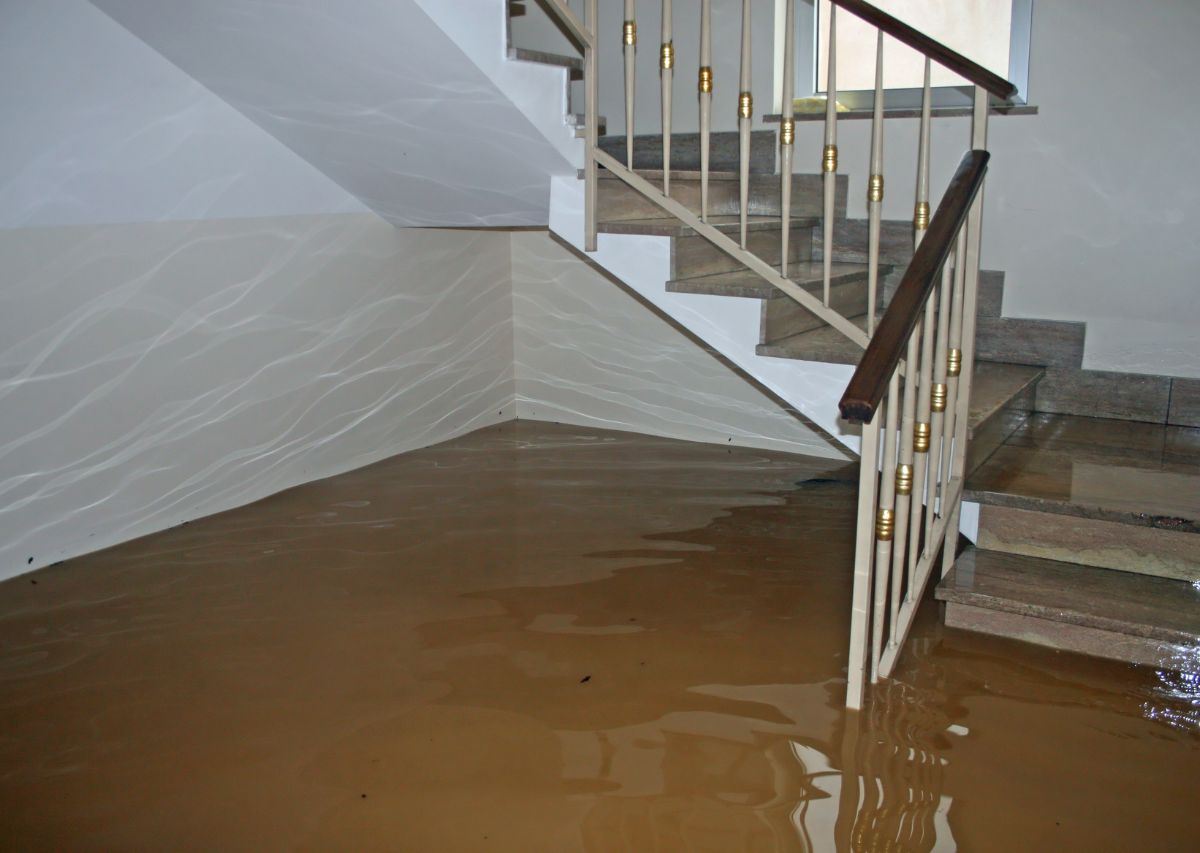
Discovering water flooding into your basement triggers panic, but acting calmly and quickly can minimize damage and protect your family’s safety. Basement flooding represents one of the most destructive emergencies homeowners face, potentially causing thousands of dollars in damage within hours. Classic Disaster Services in Evanston, IL provides 24/7 emergency response to basement floods throughout the North Shore, helping residents respond correctly and recover completely.
Water damage escalates rapidly as standing water saturates materials, promotes mold growth, and causes structural damage. Understanding the immediate steps to take, when to shut off utilities, and how professional restoration works protects your home and your investment. This comprehensive guide covers emergency response procedures, professional restoration techniques, and prevention strategies for future protection.
Immediate Safety Actions in the First Minutes
Safety comes before any cleanup attempts. Flooded basements present serious hazards requiring careful attention before entering the space.
Critical safety steps include:
Turn off electrical power to the basement immediately. If you can safely reach the main breaker without stepping into water, flip it off. Never step into standing water while electrical power is active in the basement, as water and electricity create lethal shock hazards. If water has reached electrical outlets, wiring, or the fuse box, call an electrician or your utility company. Do not attempt to access the breaker if doing so requires wading through water.
Check for gas leaks immediately. A faint rotten egg smell indicates possible gas line damage — if you notice any strong fuel or gasoline odors, review how to get rid of gasoline smell in house for important safety and odor-removal guidance.”
If you suspect a gas leak, exit the house immediately and call emergency services. Do not use lights, switches, or anything that might create a spark near the suspected leak.
Assess structural damage before entering the flooded basement. In rare cases, severe ground saturation can contribute to soil instability — similar to the processes that explain how a sinkhole forms — making professional inspection critical before reentry.”
. Look for visible cracks, bulging walls, or unstable conditions. If the structure appears compromised, avoid entering until a professional has inspected the damage. Flood water can weaken walls, floors, and foundations, creating dangerous collapse hazards.
Wear appropriate protective equipment before entering the flooded area. Put on waterproof boots, heavy-duty rubber gloves, and an N-95 mask if possible. Floodwater often contains harmful bacteria, sewage, mold spores, and other contaminants. Direct contact with contaminated water causes serious illnesses and health complications.
Critical Steps to Take Within the First Hour
When your basement starts flooding, time matters. The faster you respond, the more you can minimize damage. Here are the essential actions to take immediately:
- Shut off the main water supply if flooding originates from a burst pipe or plumbing failure. Locate your main water shutoff valve, usually near the foundation or where the water supply enters your home. Turn the valve clockwise until it stops completely. This prevents additional water from flooding into the basement and minimizes total damage.
- Stop water entry from external sources if possible. If heavy rain or ground water causes the flood, create temporary barriers using sandbags or tarps at doorways and basement windows to slow water entry while you await professional help. These temporary measures buy time for professional response.
- Document all damage immediately by taking photographs and videos of the affected areas before any cleanup begins. Capture pictures of visible water levels on walls, damaged furniture, saturated materials, and the overall extent of flooding. This documentation proves invaluable when filing insurance claims and provides accurate records of what requires replacement versus restoration.
- Call your insurance company immediately to report the flooding. Early notification is critical for the claims process. Provide details about the flood source, approximate time of occurrence, and visible damage. Ask about coverage for your specific situation, understanding that standard homeowner policies cover some flood causes but not others.
- Contact a professional water damage restoration company. Classic Disaster Services responds 24/7 to emergency calls in Evanston and throughout the North Shore. Professional help within the first few hours prevents mold growth, limits structural damage, and maximizes salvageable items.
What You Can Do Before Professional Help Arrives
Do not just wait passively for professional help. There are safe actions you can take to begin damage mitigation while awaiting expert response.
Smart preliminary actions include:
Remove valuable items from the flooded area if water levels are low and it is absolutely safe to do so. Move electronics, important documents, photographs, and irreplaceable items to higher, drier locations. Work quickly but cautiously, avoiding contact with floodwater whenever possible.
Begin water removal using a wet-dry vacuum if you have confirmed power is off at the breaker. Never use standard household vacuum cleaners in flooded basements, as they may malfunction or create electrical hazards. Wet-dry vacuums designed for water extraction handle this task safely.
Open windows and doors to begin ventilation if weather and safety permit. Fresh air circulation starts the drying process and reduces odors. Position fans to direct outdoor air into the basement, but do not direct fans across standing water as this can spread contamination.
Create makeshift barriers from blankets or towels to prevent contaminated water from spreading to other areas of your home if you can do so safely.
Elevate important items onto shelving or makeshift platforms to keep them above potential water line rises.
Important note: Do not delay professional services waiting for initial cleanup. Professional restoration companies have industrial-grade equipment, trained technicians, and expertise that dramatically improves outcomes compared to homeowner attempts.
Professional Water Damage Restoration Process
Professional restoration follows a comprehensive process designed to eliminate all moisture, prevent mold growth, and restore your basement to safe, clean conditions. Understanding these steps helps you know what to expect when Classic Disaster Services arrives at your home.
The complete professional restoration process includes:
Initial assessment evaluates the extent of damage, identifies the flood source, and classifies the water type. Clean water from burst pipes requires different treatment than gray water from appliances or black water from sewage backups. This assessment determines which restoration techniques and equipment are needed.
Industrial-grade water extraction removes standing water using submersible pumps and commercial-grade vacuums. Professional companies remove water far faster than consumer equipment, typically clearing basements within hours. Moisture meters and infrared thermal cameras detect hidden water pockets behind walls, under flooring, and in other inaccessible locations.
Commercial-grade dehumidification and air movement dries all affected areas thoroughly. This drying phase prevents mold growth and moisture-related structural damage. Large basements may require multiple dehumidifiers operating continuously for days to remove all moisture completely.
Cleaning and sanitization eliminate contaminants from flooded materials. All surfaces exposed to flood water receive treatment with antimicrobial solutions. Category 3 contaminated water requires specialized protocols to ensure all harmful bacteria and toxins are neutralized.
Mold inspection and remediation address any mold growth. For homeowners dealing with mold after flooding, learning how to get rid of black mold on drywall offers valuable insight into identifying and safely removing affected areas.
Professional inspection uses moisture meters and visual assessment to identify all mold contamination. Remediation professionals use HEPA filtration equipment, containment procedures, and antimicrobial treatments to eliminate mold completely.
Material removal and replacement becomes necessary when salvage is impossible. Drywall below flood lines typically requires removal. Carpet padding absorbs water and must be replaced. Damaged insulation, baseboards, flooring, and other materials are removed and replaced with new materials installed to proper standards.
Repairs and reconstruction restore your basement to its pre-damage condition. This may include replacing flooring, reinstalling drywall, restoring cabinetry, reconnecting appliances, and other repairs necessary to make the space safe and functional again.
Understanding Basement Flood Restoration Costs
Restoration costs vary dramatically based on damage severity, contamination type, and basement size. Understanding potential costs helps you make informed decisions about insurance and professional services.
Cost breakdown by damage severity:
Minor basement flooding with clean water and limited damage typically costs between 1,500 and 3,500 dollars. This includes water extraction, drying, and basic cleaning for small affected areas.
Moderate basement flooding from multiple sources or contaminated water ranges from 3,500 to 10,000 dollars. This comprehensive restoration includes professional drying, sanitization, mold remediation, and some material replacement for larger affected areas.
Severe basement flooding causing extensive damage, structural issues, or significant material replacement costs 10,000 to 15,000 dollars or more. Sewage backup flooding creating black water contamination reaches the highest cost levels due to hazmat protocols and extensive decontamination required.
Insurance coverage depends on flood cause. Standard homeowner policies cover burst pipes and appliance leaks but exclude weather-related flooding, requiring separate flood insurance. Understanding your coverage helps you plan financially for restoration services.
Why Evanston and North Shore Basements Are Vulnerable to Flooding
The North Shore region faces particular basement flooding risks that homeowners need to understand. Being aware of these vulnerability factors helps you take appropriate preventive action.
Key vulnerability factors in the Evanston area include:
Aging infrastructure and outdated sewer systems throughout the North Shore cannot handle modern rainfall intensities. Municipal systems designed a century ago simply cannot process today’s intense storm events. When heavy rains overwhelm municipal capacity, sewage and stormwater back up into basements through floor drains and foundation cracks.
Proximity to Lake Michigan and low-lying elevation zones in many North Shore communities create additional water management challenges. Water naturally seeks lower elevations, making basement flooding more common in properties near waterways or in topographic low points.
Historic homes common throughout Evanston and surrounding communities feature original porous brick foundations, outdated waterproofing, and aging drainage systems. These older structures are more vulnerable to water intrusion than modern homes with contemporary waterproofing standards built after modern building codes were implemented.
Climate change brings increasingly severe weather events with intense rainfall concentrated in short timeframes. These extreme events overwhelm even modern drainage infrastructure designed for historical rainfall patterns.
Prevention Strategies to Protect Your Basement
Implementing preventive measures dramatically reduces your flood risk. These strategies help keep water out before disaster strikes.
Effective basement flood prevention includes:
Install a battery backup sump pump ensuring continued operation during power outages. Modern systems automatically activate when water levels rise, protecting basements even during storms that knock out electricity. This single investment provides protection when you need it most.
Extend downspouts at least six to ten feet from your foundation using flexible extensions or underground drains. Most downspouts discharge water only one to two feet from homes, directing moisture directly toward foundations and underground.
Seal foundation cracks proactively using epoxy or polyurethane injection services. Even small hairline cracks allow water entry during heavy rains or high groundwater conditions. Professional sealing prevents water intrusion before problems develop.
Install backflow valves preventing sewage from backing up into your basement during municipal system overloads. Many North Shore municipalities offer rebates for backflow valve installation, making this improvement more affordable.
Grade your landscaping away from the home so rainwater flows away rather than pooling at your foundation. Even modest regrading projects significantly improve drainage patterns and protect your basement.
Clean gutters and window wells seasonally to prevent water from spilling over edges and pooling near your foundation. Remove leaves, debris, and moss that clog drainage systems and prevent proper water flow.
Frequently Asked Questions
What should I do immediately if my basement starts flooding?
First, ensure everyone’s safety by turning off electrical power at the main breaker if safe to do so. Never enter standing water with electricity active. Shut off the main water supply if flooding comes from a burst pipe or plumbing failure to prevent additional water entry. Check for gas leaks by smelling for rotten egg odors and exit immediately if detected. Wear protective gear including boots, gloves, and masks before contacting floodwater. Document damage with photographs immediately for insurance purposes. Call your insurance company and then contact a professional restoration company like Classic Disaster Services for immediate 24/7 emergency response.
How much does professional basement flood cleanup typically cost in Evanston?
Professional basement flood cleanup averages 2,000 to 7,000 dollars depending on contamination type, basement size, and damage severity. Clean water flooding costs 1,500 to 3,500 dollars. Gray water from appliances costs 3,000 to 7,000 dollars. Black water sewage backup costs 7,000 to 15,000 dollars. Material replacement for flooring, drywall, and insulation adds significant costs. Insurance may cover burst pipe damage but typically excludes weather-related flooding requiring separate flood insurance policies that provide comprehensive protection.
How long does basement water damage restoration take in the North Shore?
Professional restoration typically takes three to five days from initial assessment through completion. Water extraction occurs on the first day using industrial equipment. Dehumidification and drying continue for two to three days depending on moisture levels. Cleaning, sanitization, and mold remediation happen simultaneously with drying. Material removal and replacement extends timelines if extensive reconstruction is necessary. Complete drying verification may require one to two weeks depending on damage severity. Classic Disaster Services monitors progress daily and adjusts timelines based on moisture measurements.
For 24/7 emergency basement flooding response in Evanston and throughout the North Shore, trust Classic Disaster Services. Our certified specialists respond immediately to assess damage, extract water, prevent mold, and restore your basement completely. Call 224-251-8444 or email info@classicdisaster.com to schedule emergency service or begin water damage restoration today.