
Understanding the seasonal weather patterns in the central United States is essential for any homeowner residing within the tornado alley states. This unique geographical corridor is world famous for its frequent and often violent atmospheric disturbances. By staying informed about the regions most prone to these events, you can better protect your family and property, including planning for property restoration services after storm damage.
Defining the Geographic Boundaries of the Corridor
The traditional boundaries of the tornado alley states primarily encompass the Great Plains region of the country. This area acts as a massive battlefield where cold, dry air from the north meets warm, moist air from the gulf. This collision creates the perfect atmospheric conditions for supercell thunderstorms and funnel clouds to develop during the spring.
States like Texas, Oklahoma, Kansas, and Nebraska are often cited as the core members of this group. However, weather experts have noted that the area of high activity has begun to shift slightly toward the east and south. This expansion means that residents in neighboring regions must also stay vigilant and prepared for storms.
While the term is not an official designation by the national weather service, it remains a vital concept for public awareness. Knowing if you live in one of the tornado alley states allows you to prioritize home reinforcements and emergency planning. Awareness is the first step in a comprehensive strategy for managing severe weather risks.
The Science Behind the Storm Activity
The frequency of storms in the tornado alley states is driven by a specific combination of topographical features. The flat terrain of the plains allows air masses to travel long distances without any significant physical obstructions. This lack of friction helps maintain the high wind speeds necessary for a tornado to maintain its structure.
During the peak months of April and May, the jet stream often positions itself directly over these central regions. This high altitude wind current provides the shear needed to rotate a thunderstorm into a dangerous vortex. This seasonal alignment is why the tornado alley states experience such a concentrated burst of severe weather events.
Climate data suggests that some years are significantly more active than others based on global oceanic cycles. For example, during a strong year, some counties might experience 3300 minutes of severe weather warnings in a single season. Tracking these trends helps local authorities manage resources and provide timely alerts to the public.
Historical Trends and Modern Changes
Historically, the heart of the activity was focused almost entirely on the central plains of the Midwest. Recent studies show that the high risk zone is migrating toward the Mississippi Valley and the southeastern United States. This means that more states are now being considered part of the expanded tornado alley states category.
This shift is particularly concerning because the southeastern region has a higher population density than the central plains. Forested areas in the south also make it more difficult for residents to see a storm approaching their home. Adapting to these changing patterns is a major challenge for modern meteorologists and emergency managers.
Despite these changes, the traditional tornado alley states remain the global leader in total annual tornado counts. The resilience of the people living in these areas is built on decades of experience and community cooperation. Sharing this knowledge with newly affected regions is vital for reducing the impact of future storm seasons.
Essential Home Reinforcements and Safety
- Install a dedicated storm cellar or a reinforced safe room that meets federal safety standards for wind resistance.
- Use impact resistant roofing materials and hurricane clips to secure the roof structure to the walls of the house.
- Maintain a dedicated weather radio with a battery backup to receive alerts even when the power grid fails.
- Trim large trees and remove dead branches that could become dangerous projectiles during a high wind event.
- Secure all outdoor furniture and loose yard items as soon as a severe weather watch is issued for your area.
- Ensure that all family members know the exact location of the safest room in the house and how to get there quickly.
The Importance of Early Warning Systems
Advanced radar technology has drastically improved the lead time for residents in the tornado alley states to seek shelter. Modern systems can detect the early signs of rotation within a storm long before a funnel cloud actually touches the ground. This extra time is the difference between safety and catastrophe during a fast moving storm.
Public sirens and mobile phone alerts are the primary ways that these warnings are distributed to the community. It is important to understand the difference between a watch, which means conditions are favorable, and a warning, which means a storm is present. Treating every warning with total seriousness is a life saving habit for storm country.
Community shelters and local schools often serve as safe havens for those who do not have a basement at home. Knowing the location of these facilities is a critical part of your emergency plan in the tornado alley states. Practice your drills at least twice a year to ensure a fast and calm response.
Property Damage and Restoration Considerations
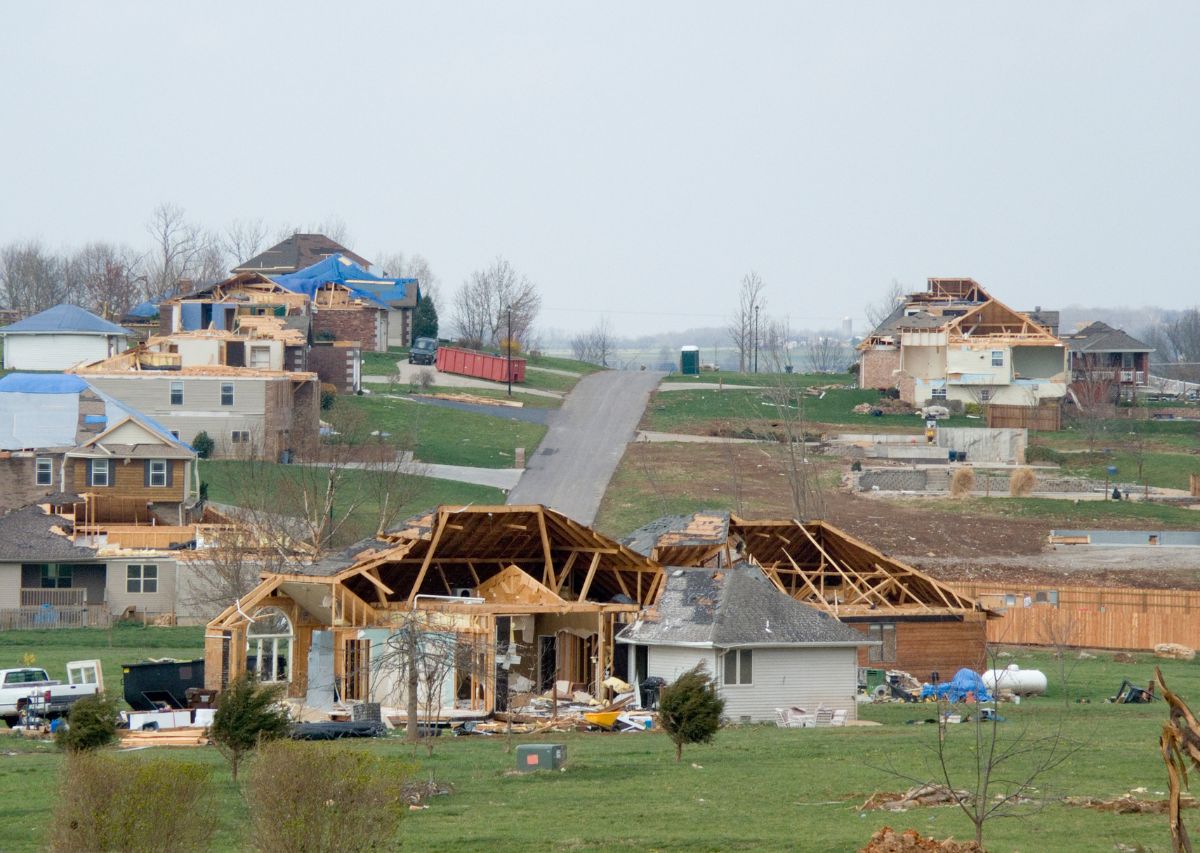
The physical impact of a major storm on a residential structure can be devastating and emotionally overwhelming. High winds can strip away siding, shatter windows, and compromise the structural integrity of the entire building. After the clouds have passed, the focus immediately shifts to securing the property and preventing any secondary damage.
In the tornado alley states, professional property restoration services are often in high demand following a major weather outbreak. Companies must be prepared to handle everything from board up services to complete debris removal and structural drying. Having a trusted partner identified before the storm arrives can help speed up the recovery process significantly.
Insurance claims are another complex hurdle that homeowners must navigate during the aftermath of a severe weather event. Documenting the damage with photos and keeping receipts for all emergency repairs is essential for a successful claim. Proper documentation ensures that you receive the funds needed to restore your home to its original condition.
Psychological Preparedness for Severe Weather
Living in the tornado alley states requires a certain level of mental toughness and constant situational awareness. The stress of hearing a siren can be significant, especially for children or those who have experienced a storm before. Developing a calm and structured response plan helps reduce anxiety and keeps everyone focused on the task.
Education is a powerful tool for overcoming the fear of the unknown when it comes to atmospheric science. Teaching children about how storms form and how the safe room protects them can make the experience feel less chaotic. Open communication and support within the community are the backbones of resilience in high risk regions.
Many communities in the tornado alley states hold annual preparedness fairs to share resources and safety information. These events are great opportunities to meet local first responders and learn about the latest in storm shelter technology. Staying connected with your neighbors ensures that no one is left alone during a crisis.
Long Term Community Resilience
The strength of the tornado alley states lies in the ability of their communities to rebuild and recover after a disaster. Building codes have evolved over time to require stronger construction methods that can withstand higher wind pressures. These standards are constantly updated as we learn more about the physics of extreme weather events.
Investment in local infrastructure, such as buried power lines and reinforced emergency centers, also plays a major role. These improvements help ensure that vital services can be restored quickly even after a direct hit by a storm. Resilience is a collective effort that requires the participation of every citizen and local government agency.
As the geographic zones of activity continue to shift, the lessons learned in the plains are more valuable than ever. Helping new regions develop their own safety cultures and warning systems is a national priority for weather experts. We are all more secure when we share the best practices for living with the power of nature.
Final Thoughts on Storm Awareness
Maintaining a home in the tornado alley states is a rewarding experience that comes with unique responsibilities and challenges. By respecting the power of the weather and staying prepared, you can enjoy the beauty of the region without fear. Preparation is a continuous process that involves both physical upgrades and regular safety drills.
The history of the central United States is inextricably linked to the seasonal rhythms of the sky and the storms. From the early settlers to modern residents, the people of the plains have always known how to adapt to their environment. Your commitment to safety ensures that this legacy of resilience continues for many generations to come.
Stay vigilant, keep your emergency kit stocked, and always have a plan for when the sirens blow. Whether you are in a core state or a newly affected region, the principles of safety remain the same. Together, we can build a future where every home in the storm corridor is a fortress of safety and security.
Protect Your Property From Severe Storm Damage
Classic Disaster is a trusted leader with a long heritage of providing elite restoration services to the community. We offer a full suite of services including structural repair, detailed cleanup, and professional debris removal for any size property. Our rapid response team can manage even the most difficult recoveries after a major wind event occurs. Experience a smooth transition from destruction to restoration with our expert support, including mold remediation and tragedy clean up services.
Frequently Asked Questions
The traditional tornado alley states include Texas, Oklahoma, Kansas, Nebraska, and South Dakota due to their flat geography. However, recent data shows high activity shifting toward states like Mississippi and Alabama in the southeast. Residents in these areas must remain alert throughout the peak storm months.
In an active year, a single county within the tornado alley states might see 3300 minutes of alerts across a season. This frequency requires a high level of preparedness and constant monitoring of local weather reports. Having a reliable weather radio is the best way to stay informed during these intense periods.
The most important feature for any home in the tornado alley states is a dedicated safe room or storm cellar. These structures are engineered to withstand extreme wind speeds and flying debris that standard walls cannot. If you do not have a cellar, identify the most interior room on the lowest floor of the house.
While the peak season for the tornado alley states is typically the spring, storms can actually occur at any time of year. Some regions experience a secondary peak in the fall as the temperatures begin to shift again. Always maintain your emergency supplies and stay aware of the forecast regardless of the date.
Following a severe event, you should contact a certified restoration expert to secure your property and begin the cleanup process. These professionals have the specialized tools and experience to manage hazardous debris and structural issues safely. They can also assist you with the complex documentation needed for insurance.