
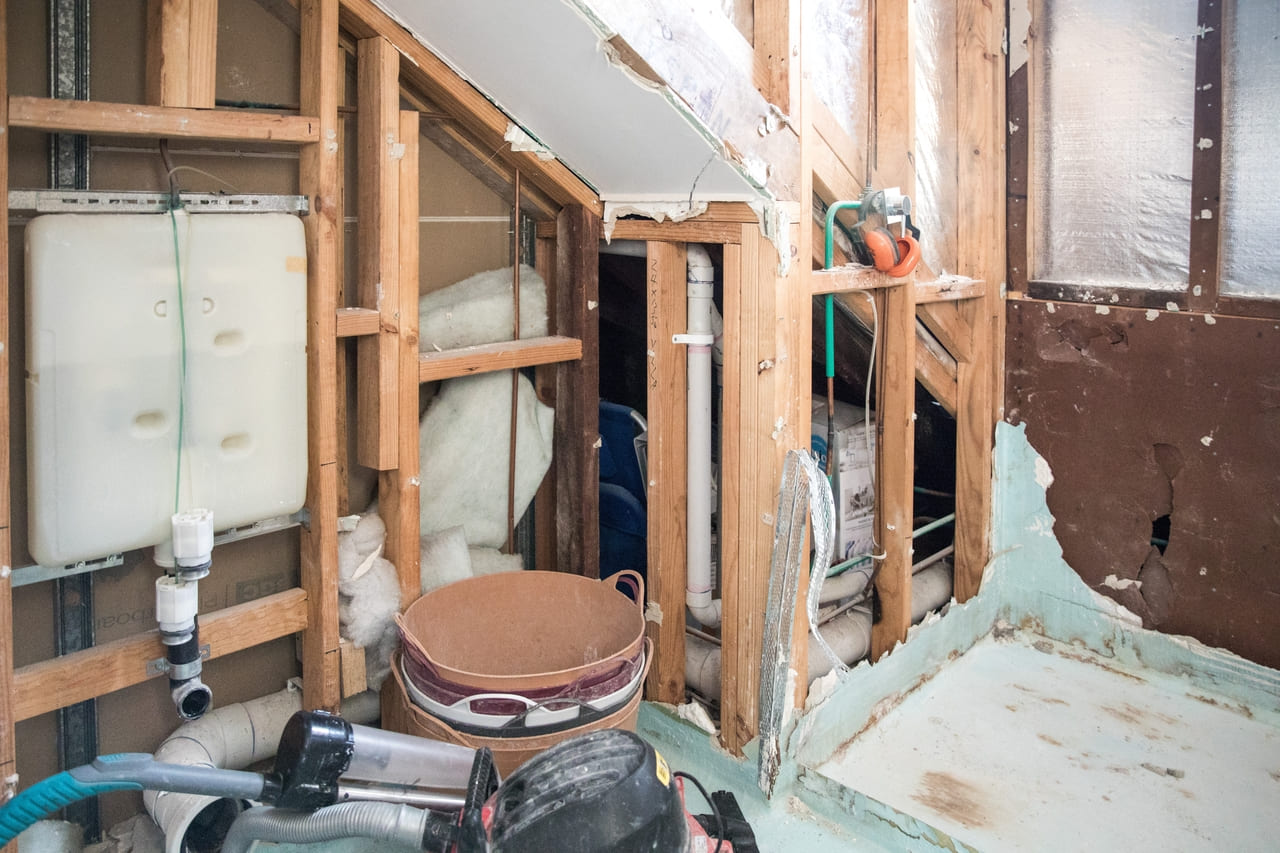
Evanston winters are beautiful, with fresh snow, sparkling ice, and crisp air off Lake Michigan. But along with the winter charm comes a serious threat for homeowners: winter water damage.
From frozen pipes to ice dams, the cold season can wreak havoc on homes if you’re not prepared. Water damage in the winter is especially tricky because it often goes unnoticed until the thaw, when leaks or flooding suddenly appear.
In this guide, we’ll cover the five most common causes of winter water damage in Evanston, IL, and how you can prevent them. We’ll also share why quick action is critical to avoid long-term problems like mold growth and structural damage.
Why Winter Water Damage is a Big Issue in Evanston
Evanston’s location along Lake Michigan means cold temperatures, heavy snow, and high humidity, all of which contribute to unique water damage risks.
Factors that make winter water damage more likely here include:
- Older housing stock, many Evanston homes were built decades ago and may have aging plumbing or insulation.
- Frequent freeze-thaw cycles, temperatures often hover around freezing, causing repeated expansion and contraction.
- Proximity to the lake adds to heavy snowfall totals and moisture levels.
Being aware of the main culprits will help you prevent damage before it starts.
1. Frozen and Burst Pipes
One of the most common and destructive causes of winter water damage is frozen pipes. When water freezes, it expands, creating immense pressure inside the pipe. This can cause pipes to crack or burst, releasing gallons of water into your home once the ice thaws.
High-Risk Areas in the Home:
- Unheated basements and crawl spaces
- Exterior walls with little insulation
- Attics or garages with exposed plumbing
Prevention Tips:
- Insulate exposed pipes with foam sleeves.
- Keep your thermostat at least 55°F, even when you’re away.
- Let faucets drip slightly during extreme cold to keep water moving.
- Seal gaps and cracks in exterior walls to block cold air.
If a pipe bursts, learn more about our Water Damage Restoration in Evanston, IL services.
2. Ice Dams on Roofs
Ice dams form when heat from your home melts snow on the roof, which then refreezes at the eaves. This creates a barrier that traps melting water, allowing it to seep under shingles and into your attic or walls.
Warning Signs:
- Large icicles hanging from gutters
- Water stains on ceilings or walls
- Peeling paint near rooflines
Prevention Tips:
- Improve attic insulation and ventilation to keep the roof surface cold.
- Use a roof rake to safely remove snow buildup.
- Clean gutters in the fall to ensure proper drainage.
3. Sump Pump Failures
Your sump pump works hard year-round, but in the winter, it can freeze or fail during a sudden thaw. If melting snow and ice can’t be pumped away from your foundation, you risk a flooded basement.
Prevention Tips:
- Test your sump pump before the first hard freeze.
- Install a battery backup in case of power outages.
- Make sure the discharge pipe is clear and angled away from your foundation.
4. Snowmelt Flooding
When a big snowfall is followed by warmer temperatures or rain, the rapid snowmelt can overwhelm drainage systems and flood basements.
High-Risk Neighborhoods in Evanston:
- Areas near the North Shore Channel
- Low-lying blocks with older stormwater systems
Prevention Tips:
- Clear snow away from the foundation before melting begins.
- Keep window wells free of snow and ice.
- Ensure sump pumps and drains are in working order.
5. Hidden Moisture and Mold Growth
Winter water damage isn’t always obvious. Small leaks from ice dams or frozen pipes can drip behind walls or under floors, staying hidden until mold starts to form.
Mold can develop in as little as 24–48 hours in damp conditions and can cause serious health problems.
Prevention Tips:
- Inspect your home regularly for water stains, peeling paint, or musty odors.
- Use a dehumidifier in basements and other damp areas.
- Address leaks immediately, even small ones.
Internal Link Opportunity: If you suspect mold, our Mold Remediation Services in Evanston, IL, can protect your health and property.
How to Respond If You Experience Winter Water Damage
Even with the best prevention, winter water damage can still happen. If it does:
- Shut off the water supply immediately.
- Turn off electricity to affected areas.
- Contact a local, experienced restoration company.
- Document all damage for your insurance claim.
The faster you act, the better your chances of minimizing damage and avoiding mold growth.
Why Evanston Homeowners Trust Classic Disaster Services
For over 50 years, Classic Disaster Services has been helping Evanston residents recover from winter water damage. We offer:
- 24/7 emergency response with average arrival times under an hour
- Pre-approval by major insurance carriers
- Certified technicians for water, fire, storm, and mold damage restoration
- Full-service repair and reconstruction
We know the unique challenges Evanston winters bring and have the tools and experience to get your home back to normal quickly.
Serving Evanston and Surrounding North Shore Communities
We proudly serve:
- Evanston
- Glenview
- Northbrook
- Deerfield
- Winnetka
- Highland Park
- Lincolnwood
Final Word
Evanston’s winters are tough, but your home can be tougher with the right preparation. By knowing the top five causes of winter water damage and taking steps to prevent them, you can save yourself from costly repairs and major headaches.
If winter water damage strikes, don’t wait. Call Classic Disaster Services at 224-251-8443 for fast, insurance-approved restoration.