
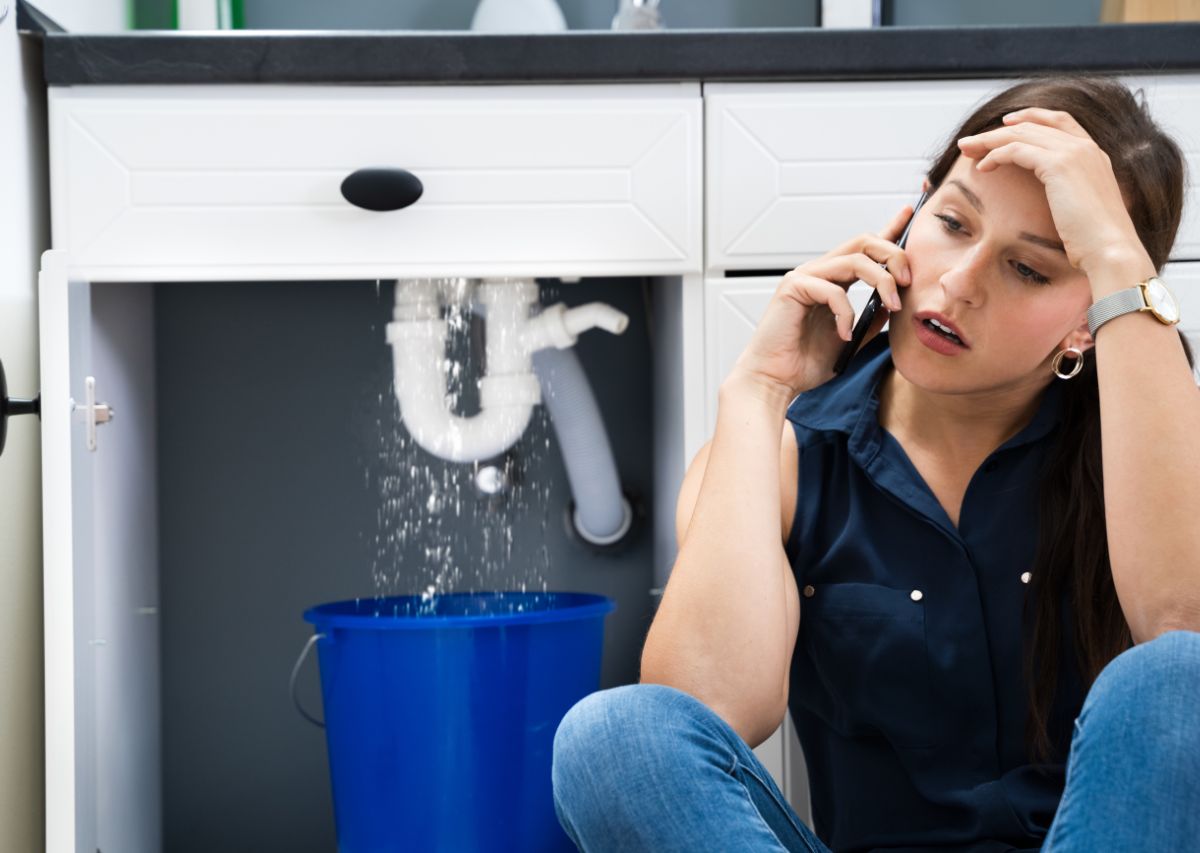
A pipe burst is one of the most disruptive and stressful emergencies a homeowner can face. Whether it happens suddenly in the middle of the night or slowly worsens over time the damage caused by a burst pipe can spread quickly through walls floors and personal belongings. Water damage from a pipe burst often leads to structural issues mold growth and costly repairs if not addressed promptly. In many cases professional mold remediation is required to fully restore affected areas and prevent long-term health risks.
Many homeowners ask why pipes burst and how to recognize the warning signs before major damage occurs. Pipes can fail for several reasons including freezing temperatures corrosion water pressure issues and aging materials. A water pipe burst inside a house can affect kitchens bathrooms basements and utility areas making it essential to understand how these incidents happen and how to respond.
This guide explains the most common causes of pipe burst incidents how to identify early signs of a burst pipe and what steps to take if a kitchen pipe burst bathroom pipe burst or burst pipe under sink occurs. Knowing what to do can reduce damage protect your home and speed up recovery.
What Is a Pipe Burst and Why It Is Serious
A pipe burst occurs when a plumbing pipe cracks splits or ruptures allowing water to escape uncontrollably. Unlike small leaks a burst pipe releases a large volume of water in a short time. This sudden release can flood rooms soak insulation and weaken structural materials.
When a water pipe bursts inside a house damage spreads beyond visible areas. Water travels through walls ceilings and flooring often affecting multiple rooms. Electrical systems furniture and appliances are also at risk. Even after the water is stopped moisture can remain trapped leading to mold and long term deterioration.
Because of the speed and scale of damage a pipe burst should always be treated as an emergency that requires immediate action.
Common Causes of a Pipe Burst
Understanding what causes pipes to burst helps homeowners reduce risk and spot vulnerabilities early. One of the most frequent causes is freezing temperatures. When water inside pipes freezes it expands increasing pressure until the pipe cracks or bursts. A pipe burst in winter is especially common in unheated areas such as basements crawl spaces and exterior walls.
Corrosion is another major cause. Over time pipes made of metal can weaken due to mineral buildup chemical reactions and aging. As the pipe walls thin they become more likely to rupture under normal water pressure.
High water pressure can also contribute to pipe failure. While pipes are designed to handle standard pressure consistent pressure above safe levels stresses joints and weak points. Sudden pressure changes can trigger a burst especially in older systems.
Physical damage and poor installation may also lead to pipe bursts. Nails screws or shifting foundations can compromise pipes behind walls or under sinks.
Pipe Burst in Winter Why Cold Weather Is Dangerous
A pipe burst in winter is one of the most common seasonal plumbing emergencies. When temperatures drop below freezing water inside pipes can freeze and expand. This expansion puts intense pressure on the pipe walls and joints.
Pipes located in exterior walls garages attics and under sinks near outside walls are especially vulnerable. Even a small section of frozen pipe can cause a rupture once water flow resumes.
Preventing winter pipe bursts involves proper insulation maintaining indoor heat and allowing faucets to drip during extreme cold. Understanding these risks helps homeowners prepare before freezing weather arrives.
Water Pipe Burst Inside House What Happens Next
When a water pipe bursts inside a house the damage can escalate quickly. Water spreads across floors seeps into walls and pools in low areas. The longer the water flows the greater the impact on building materials and personal property.
Drywall absorbs water rapidly becoming soft and unstable. Wood flooring can warp and separate. Carpets and padding trap moisture creating conditions for mold growth. Electrical systems exposed to water may become hazardous. Prolonged moisture behind walls often leads to black mold on drywall which requires specialized removal and restoration.
Immediate action is critical. Shutting off the main water supply and addressing the damage quickly can significantly reduce repair costs and restoration time.
Kitchen Pipe Burst Causes and Impact
A kitchen pipe burst often occurs under the sink or behind appliances such as dishwashers and refrigerators. These areas contain multiple water connections and are used frequently which increases wear.
A burst pipe under the kitchen sink can go unnoticed until water pools on the floor or cabinets swell. Because kitchens often have cabinetry and flooring made from wood or composite materials water damage can spread and worsen rapidly.
Signs of a kitchen pipe burst include sudden loss of water pressure damp cabinets musty odors and visible water on floors. Addressing these signs early helps prevent extensive damage.
Bathroom Pipe Burst What Makes It Different
A bathroom pipe burst presents unique challenges due to the number of plumbing lines in a small space. Toilets, sinks, showers and tubs all rely on supply and drain pipes that run behind walls and under floors.
A bathroom pipe burst may appear as water stains on ceilings below slow draining fixtures or moisture behind walls. In multi story homes bathroom plumbing failures can affect rooms on lower levels.
Because bathrooms often have tile surfaces water can travel unnoticed beneath floors and behind walls. Prompt inspection and drying are essential to prevent mold and structural issues.
Burst Pipe Under Sink Common Warning Signs
A burst pipe under sink is one of the most common household plumbing failures. These pipes are exposed to temperature changes frequent use and accidental damage from stored items.
Signs of a burst pipe under sink include standing water warped cabinet floors dripping sounds when fixtures are off and reduced water pressure. Sometimes a slow crack worsens over time before fully bursting.
Regularly checking under sinks and avoiding storing heavy or sharp items near pipes helps reduce risk.
Signs of a Burst Pipe You Should Not Ignore
Recognizing the signs of a burst pipe early can limit damage. One of the most obvious signs is unexplained water pooling or flooding. However many burst pipes occur behind walls or under floors making detection more difficult.
Other warning signs include sudden drops in water pressure unusual sounds such as banging or hissing discolored water damp or warm spots on walls ceilings or floors and unexplained increases in water bills.
A musty smell or visible mold growth may indicate ongoing moisture from a hidden burst pipe. Ignoring these signs allows damage to worsen over time.
What to Do Immediately After a Pipe Burst
If a pipe bursts quick action can significantly reduce damage. The first step is to shut off the main water supply to stop the flow. Next turn off electricity in affected areas if water is near outlets or appliances.
Remove excess water using towels mops or wet vacuums if safe to do so. Move furniture and belongings away from wet areas to prevent further damage.
Contact a professional restoration service as soon as possible. Rapid water extraction drying and damage assessment are essential to prevent mold and structural deterioration.
Long Term Damage Caused by Pipe Bursts
Even after visible water is removed moisture can remain trapped in walls insulation and flooring. This hidden moisture creates ideal conditions for mold growth which can develop within days.
Structural materials weakened by water may lose integrity over time leading to sagging floors or compromised framing. Paint and finishes may peel and persistent odors inside the home may develop if drying and deodorization are incomplete.
Addressing a pipe burst promptly and thoroughly helps prevent these long term issues and protects the value of your home.
How Professionals Handle Pipe Burst Damage
Professional restoration teams follow a structured process when responding to pipe burst damage. This includes water extraction moisture detection drying dehumidification and monitoring affected areas.
Specialized equipment ensures moisture is removed from hidden spaces. This reduces the risk of mold and secondary damage.
Professional assessment also helps document damage accurately which is important for insurance claims and future repairs.
Preventing Future Pipe Bursts
While not all pipe bursts can be prevented there are steps homeowners can take to reduce risk. Insulating exposed pipes maintaining consistent indoor temperatures and monitoring water pressure all help protect plumbing systems.
Regular inspections of visible pipes especially under sinks and in basements can catch early signs of wear. Replacing aging pipes before failure reduces emergency risk.
Being proactive helps minimize the chance of unexpected water damage.
Taking Pipe Burst Emergencies Seriously
A pipe burst is more than a plumbing issue. It is a water damage emergency that requires immediate attention. Understanding the causes signs and response steps helps homeowners act quickly and protect their property.
Whether dealing with a kitchen pipe burst bathroom pipe burst or a pipe burst in winter preparation and fast response make a significant difference.
If you experience a pipe burst or water damage Classic Disaster is available to provide professional assistance. You may contact them at 224 251 8444 or email info@classicdis fast response make a significant difference.
If you experience a pipe burst or water damage Classic Disaster is available to provide professional assistance. You may contact them at 224 251 8444 or email info@classicdisaster.com for support and guidance during water damage emergencies.
Frequently Asked Questions
Early signs of a burst pipe include sudden drops in water pressure unexplained water pooling damp walls or ceilings and unusual sounds from plumbing. Higher water bills and musty odors can also signal hidden pipe damage that requires immediate attention.
Pipes burst in winter because freezing water expands inside the pipe increasing internal pressure. Pipes in exterior walls garages and unheated areas are most at risk. Once the ice melts water escapes through cracks causing sudden flooding.
Shut off the main water supply immediately and turn off electricity near affected areas. Remove excess water if safe and contact a professional restoration service quickly. Fast response reduces structural damage mold growth and repair costs
Yes a burst pipe under a sink can cause serious damage if not addressed quickly. Water can soak cabinets floors and walls leading to mold and structural issues. Because these leaks are often hidden damage can spread before it is noticed.
Water damage can worsen within minutes and mold can begin developing within 24 to 48 hours. Moisture trapped in walls and floors continues to cause damage over time making immediate drying and restoration critical after a pipe burst.