
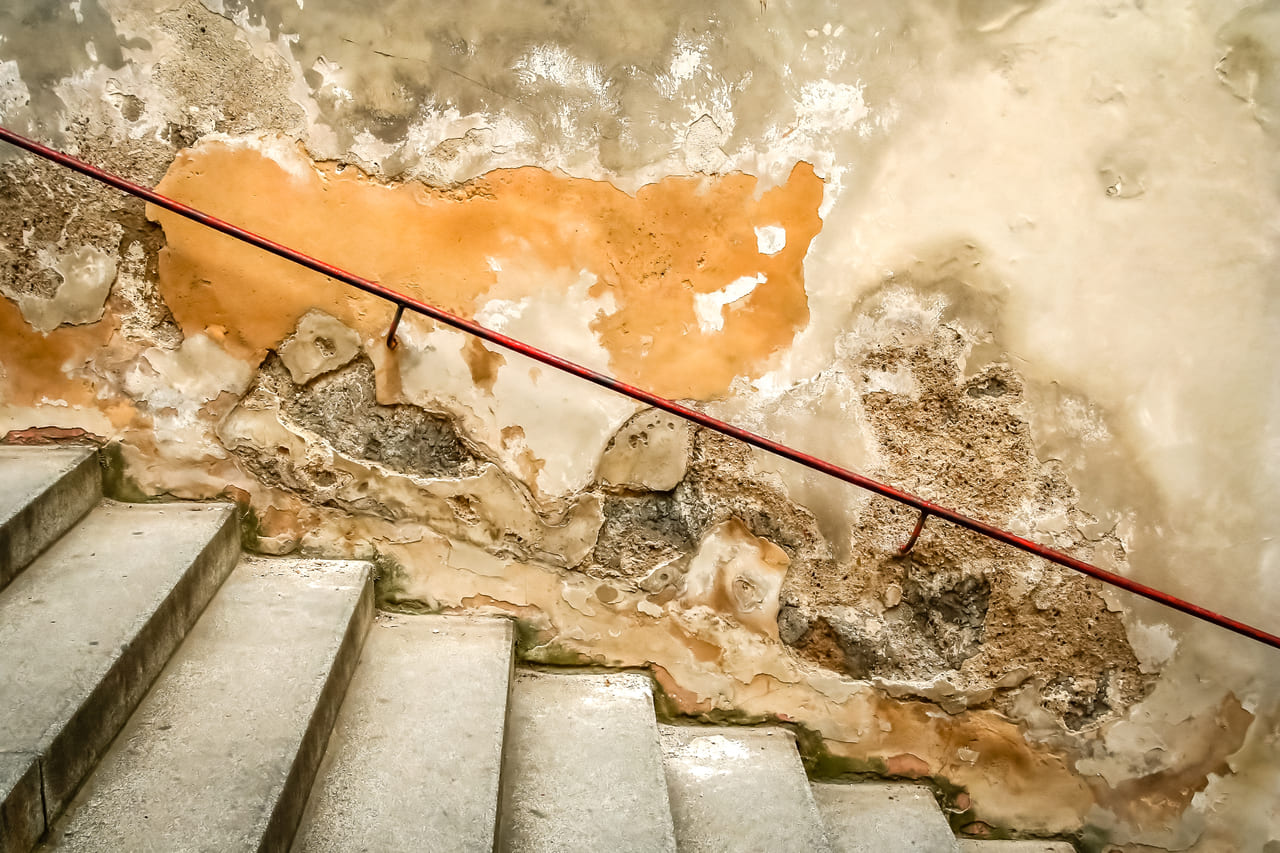
Basement flooding is a problem no homeowner wants to face and in Evanston, IL, it’s more common than many think. Heavy rainstorms, Lake Michigan weather patterns, snowmelt, and even plumbing issues can quickly leave several inches (or feet) of water in your basement.
While water damage is serious on its own, the bigger long-term threat often comes from mold growth. Mold can start forming in just 24–48 hours after water exposure, spreading rapidly in the damp, dark environment of a flooded basement.
In this guide, we’ll cover exactly how to prevent mold after basement flooding in Evanston, along with professional tips to protect both your home and your health.
Why Basement Flooding is Common in Evanston
Evanston is known for its beautiful historic homes, tree-lined streets, and proximity to Lake Michigan, but these same features can make basements more vulnerable to flooding.
Common causes include:
- Heavy Rains and Storms: Summer downpours can overwhelm storm drains and sump pumps.
- Snowmelt and Freeze-Thaw Cycles: Melting snow in early spring can saturate the soil and seep into foundations.
- Aging Infrastructure: Many Evanston homes have older foundations and drainage systems.
- High Water Table: Certain neighborhoods have naturally higher groundwater levels.
- Plumbing Failures: Burst pipes or water heater leaks often affect basements first.
The Mold Risk Timeline
Mold thrives in moist environments and spreads quickly once spores settle. Here’s what the first few days after a flood typically look like if no action is taken:
- 0–24 Hours: Water begins seeping into porous surfaces like drywall, wood framing, and carpet padding.
- 24–48 Hours: Mold spores can germinate, especially on organic materials.
- 48–72 Hours: Mold colonies become visible; musty odors begin to appear.
- 3–7 Days: Mold can spread to hidden areas, making removal more complex and costly.
This is why fast action is the single most important factor in preventing mold.
Step 1: Ensure Safety First
Before you step into a flooded basement:
- Turn off the electricity to the basement at the breaker panel.
- Wear waterproof boots and gloves.
- Avoid standing water that may be contaminated with sewage or chemicals.
If you’re unsure about safety, wait for a professional restoration company to arrive.
Step 2: Remove Standing Water Immediately
The longer water remains, the higher the chance of mold growth.
- Use a wet/dry vacuum for small amounts of water.
- For more severe flooding, professionals use truck-mounted extraction equipment.
- Make sure water is pumped away from your foundation to avoid re-entry.
Learn more about our Water Damage Restoration in Evanston, IL services.
Step 3: Dry the Basement Thoroughly
Drying is more than just removing visible water — hidden moisture in walls, floors, and furniture must be addressed.
- Use industrial fans and dehumidifiers to speed drying.
- Open windows if humidity levels outside are lower than inside.
- Remove and discard waterlogged materials that cannot be dried fully (like carpet padding, insulation, or cardboard boxes).
Professionals often use thermal imaging to detect hidden damp spots that could later become mold colonies.
Step 4: Disinfect Surfaces
After drying, all affected areas should be cleaned with antimicrobial solutions to kill any lingering mold spores.
- Apply disinfectant to floors, walls, baseboards, and other surfaces.
- Scrub with brushes on non-porous surfaces; porous materials may need replacement.
Step 5: Remove Damaged Materials
Some items simply can’t be salvaged after flooding:
- Soaked drywall and insulation
- Carpet and padding
- Upholstered furniture that remained wet for more than 24 hours
- Cardboard and paper goods
Removing these materials early prevents mold from taking hold deep inside them.
Step 6: Lower Humidity Levels
Mold needs moisture to grow, so controlling indoor humidity is essential.
- Keep basement humidity below 50% using a dehumidifier.
- Check your HVAC system — ducts may need cleaning if mold spores have circulated.
Step 7: Monitor for Mold Signs
Even after cleanup, stay alert for signs of mold over the next few weeks:
- Musty or earthy odors
- Visible dark spots or patches on walls, floors, or ceilings
- Increased allergy-like symptoms among household members
If you notice these, schedule a professional mold inspection immediately.
Professional Mold Prevention Tips for Evanston Homes
Install a Sump Pump with Backup Power
Prevents flooding during storms and power outages.
Grade Your Yard Away from the Foundation
Helps keep rainwater from pooling around your basement walls.
Clean Gutters and Downspouts Twice a Year
Ensures proper water flow away from your home.
Seal Basement Walls and Floors
Waterproof coatings can reduce seepage.
Install a French Drain System
Redirects groundwater away from your foundation.
Why Professional Help Makes the Difference
While DIY cleanup can help in minor cases, basement flooding in Evanston often requires professional restoration to truly prevent mold. Classic Disaster Services offers:
- 24/7 emergency response — average arrival in under an hour
- Pre-approved status with major insurance carriers
- Certified mold remediation experts
- Full-service restoration from water removal to final repairs
Our team uses industry-grade drying equipment, moisture meters, and antimicrobial treatments to ensure your basement is safe and mold-free.
Serving Evanston and the North Shore
Classic Disaster Services proudly serves:
- Evanston
- Glenview
- Northbrook
- Deerfield
- Winnetka
- Highland Park
- Lincolnwood
Whether it’s a basement flood from a summer storm or a burst pipe in winter, we’re here to help.
Final Word
Basement flooding in Evanston can be a nightmare but you can avoid a second disaster by stopping mold before it starts.
Act within the first 24 hours, dry thoroughly, disinfect, and remove unsalvageable items. When in doubt, bring in a professional team that understands both the urgency and the unique challenges of North Shore homes.
For 24/7 emergency flood cleanup and mold prevention in Evanston, IL, call Classic Disaster Services at 224-251-8443.