
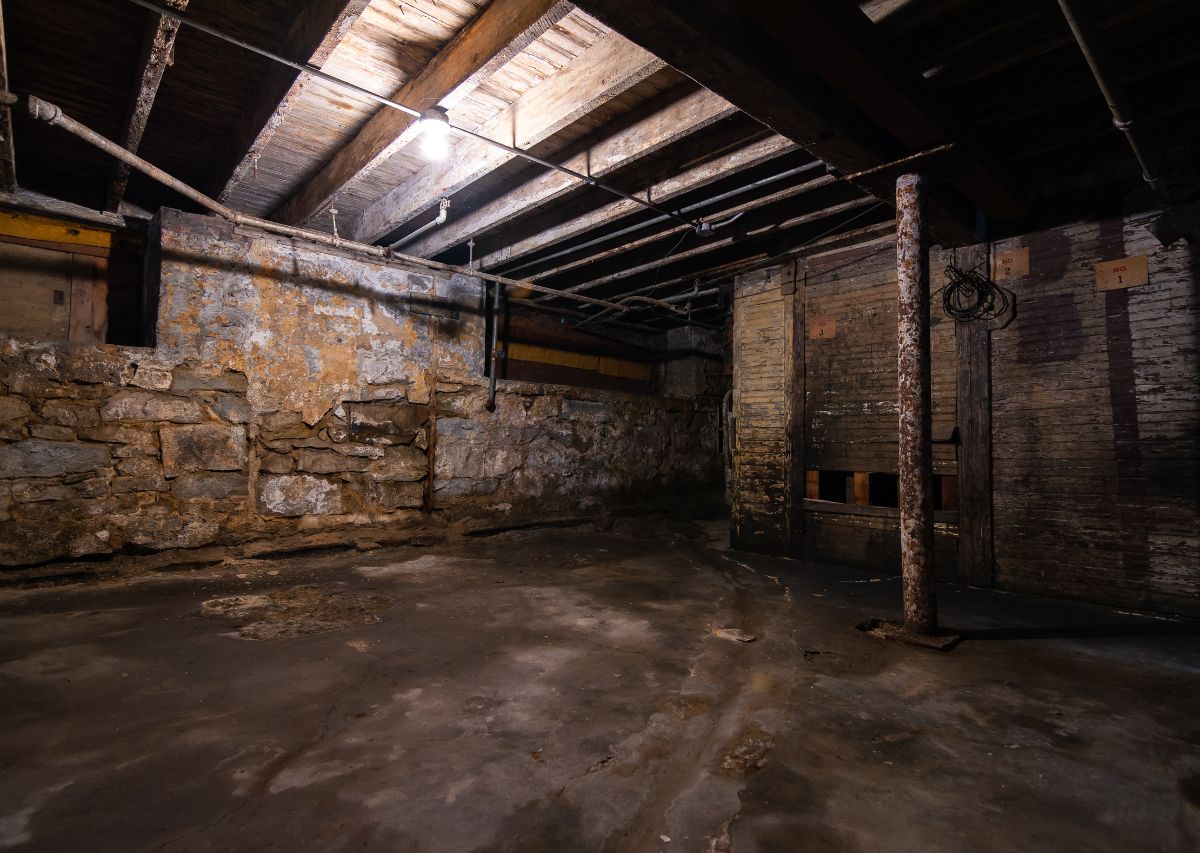
Dealing with a Persistent Musty Basement Smell
A persistent musty basement smell is more than just a minor household nuisance. For many homeowners, this damp, earthy odor indicates that moisture is trapped within the structure of the house. Understanding the root cause of a musty basement smell is the first step toward restoring a healthy and inviting environment for your family.
When you notice this scent, it often means that microbial volatile organic compounds are being released into the air. These gases are a byproduct of mold or mildew growth, which thrives in dark and damp spaces. Tackling the odor early with water damage remediation services prevents a small moisture issue from becoming a major restoration project later.
Identifying the Source of Dampness
The most common reason for a musty basement smell is high humidity levels. Basements are naturally cooler than the rest of the home, which can lead to condensation on walls and pipes. If the relative humidity stays above sixty percent, mold will begin to colonize porous surfaces like drywall and wood.
Check your foundation for any hairline cracks that might allow groundwater to seep inside during heavy rains. Even a small amount of water can saturate the concrete and create a lasting odor. Identifying these entry points is crucial for anyone trying to figure out how to stop a musty basement smell permanently.
The Role of Poor Ventilation
Airflow is essential for keeping a lower level fresh and dry. Without proper ventilation, stagnant air traps moisture and allows odors to build up over time. This lack of circulation often intensifies a musty basement smell, making it noticeable even on the upper floors of your residential property.
If your basement lacks windows, consider installing an exhaust fan or ensuring your HVAC system is properly balanced. Moving the air helps to evaporate surface moisture before it can settle into carpets or upholstery. Improved airflow is a simple yet effective way to combat the development of a musty basement smell.
Cleaning and Deodorizing Surfaces
Once you have addressed the moisture source, you must clean the affected surfaces to remove the scent. Use a mixture of water and white vinegar to wipe down hard surfaces where mold spores might linger. Vinegar is a natural disinfectant that can help neutralize a musty basement smell without harsh chemicals.
For porous items like area rugs or cardboard boxes, the odor may be too deeply embedded to remove. If an item has been sitting in a damp environment for a long time, it may be best to discard it. Removing these scent magnets is often necessary to fully eliminate a musty basement smell.
Professional Tips for Maintaining Dryness
- Run a high capacity dehumidifier year round to keep humidity below fifty percent.
- Use moisture absorbers in closets or storage areas where air does not circulate.
- Insulate cold water pipes to prevent condensation from dripping onto the floor.
- Clean your gutters regularly to ensure water drains away from the foundation.
- Store all seasonal items in airtight plastic bins rather than cardboard boxes.
Following these steps will significantly reduce the risk of a recurring odor. Maintenance is an ongoing process, but the reward is a clean and usable space. Keeping the environment dry is the most powerful defense against the return of a frustrating and unhealthy musty basement smell.
Hidden Moisture in Wall Cavities
Sometimes the source of a musty basement smell is not visible to the naked eye. Water can leak behind finished basement walls due to failing sealant or a slow pipe leak. This trapped moisture creates a perfect breeding ground for mold that remains hidden for many months or years.
If the odor persists despite your best cleaning efforts, you may have 1100 square feet of hidden dampness. In these cases, professional moisture detection tools are required. Finding the exact location of the dampness ensures that you are not just masking the symptoms of a musty basement smell.
The Impact on Property Value
A home that smells damp can be very difficult to sell. Potential buyers often associate a musty basement smell with structural damage or expensive professional mold remediation needs. Investing in proper waterproofing and odor removal can protect your equity and make your home more appealing on the open market.
Real estate experts agree that a fresh smelling basement adds significant value to a property. By addressing the odor now, you are not just improving your current quality of life. You are also ensuring that your home remains a competitive and desirable asset for the future real estate landscape.
Using Air Purifiers Effectively
Air purifiers equipped with HEPA filters and activated carbon can help scrub the air of spores and odors. While they do not fix the moisture problem, they are excellent for managing a musty basement smell while you work on permanent repairs. These devices improve the overall air quality significantly.
Make sure the unit is rated for the square footage of your basement for maximum efficiency. Running an air purifier alongside a dehumidifier creates a dual approach to freshness. This combination is a popular choice for homeowners who want to reclaim their basement for a home gym or office.
Professional Restoration Solutions
When DIY methods are not enough, it is time to call in the experts. Professional restoration companies have industrial grade equipment designed to dry out structures and eliminate deep seated odors. They can provide a thorough assessment and a customized plan to tackle a musty basement smell effectively.
Experts use thermal imaging cameras to find moisture that is invisible to the eye. They also have access to professional grade antimicrobial treatments that prevent mold from returning. Hiring a pro for repair and reconstruction ensures that your musty basement smell is handled correctly and safely for long term results and peace of mind.
Permanent Solutions for Your Damp Basement Issues
Classic Disaster has built a trusted heritage by helping families recover from unexpected home emergencies for decades. Our team provides water extraction, mold remediation, and deep structural drying for every client. We use advanced thermal imaging to find hidden leaks inside your foundation. Let our experts dry your home so you can breathe easier.
Frequently Asked Questions
A musty basement smell can occur even if surfaces appear dry because moisture often hides behind walls or under flooring. Concrete is also porous and can hold humidity that releases organic odors over time. You must use a moisture meter to verify that the internal structure is truly dry and safe.
A dehumidifier is a vital tool for preventing the growth of mold by keeping the air dry. While it helps to stop the smell from getting worse, it may not remove odors already embedded in carpets or drywall. You should clean all surfaces thoroughly while running the machine to ensure the scent fades away.
A musty basement smell usually indicates the presence of mold or mildew spores in the air. For individuals with allergies or respiratory issues, breathing these spores can cause discomfort or health reactions. It is always best to address the source of the dampness quickly to protect your indoor air quality.
Finding a hidden leak often requires specialized equipment like infrared cameras or moisture probes. These tools can detect temperature differences and moisture levels without tearing down your drywall. If you suspect a hidden leak is causing an odor, a professional inspection is the most reliable way to find it.
White vinegar is an effective and natural way to kill many species of mold and neutralize odors on hard surfaces. It is much safer than bleach for regular household use. Simply spray the area and let it sit for an hour before wiping it clean to help reduce the intensity of a musty basement smell.