
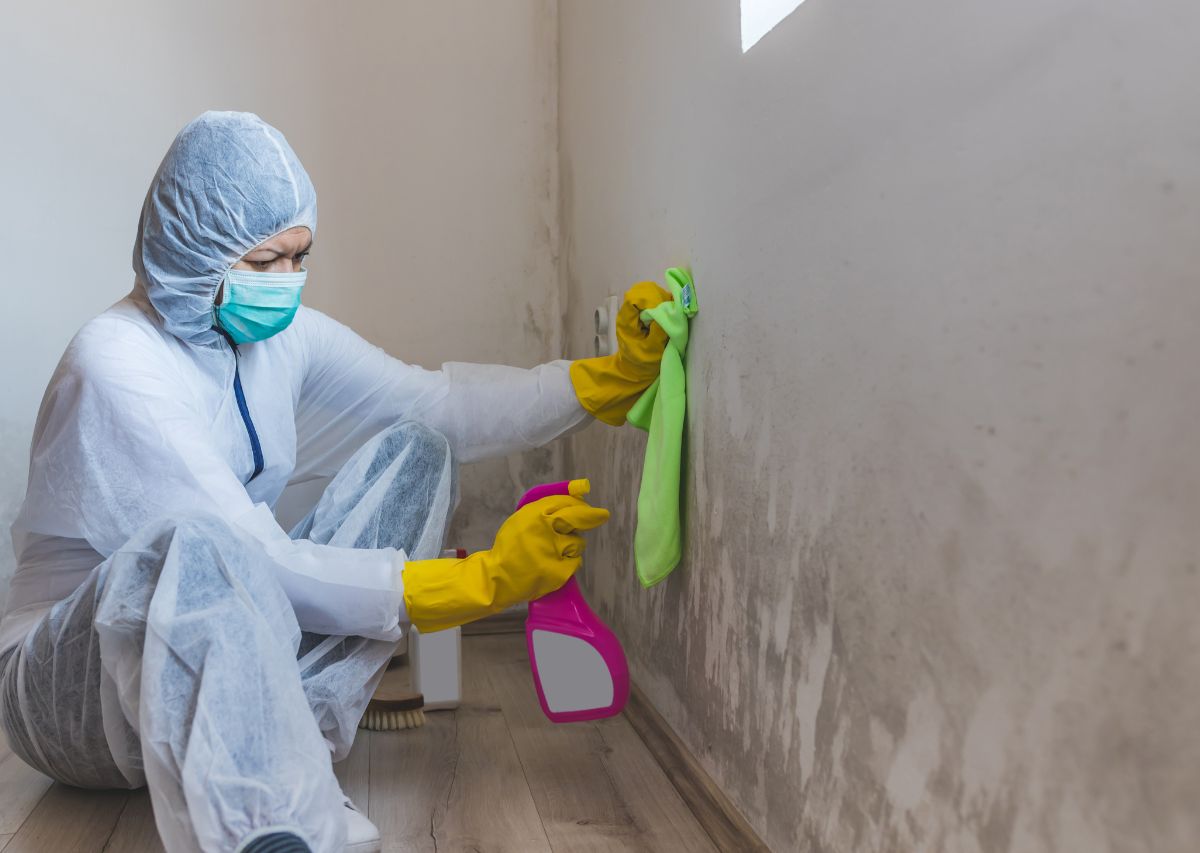
If you notice dark spots or a musty smell at home, it is normal to wonder if you are looking at mildew vs mold. Both are types of fungi that thrive in damp conditions, but they are not identical, and understanding the difference helps you decide how urgently to respond. In some cases, what appears to be simple staining may actually be black mold on drywall, which requires a more serious approach than surface cleaning.
What mildew and mold have in common
Mildew and mold are both fungus growths that spread through airborne spores and love moisture, warmth, and organic surfaces. That is why they often appear after water damage, roof leaks, or long term humidity problems in basements and bathrooms.
Both can grow on porous building materials like drywall, wood, and insulation.
Both release spores that move through the air and can trigger allergies in sensitive people.
Both are signs that excess moisture is present and needs to be addressed quickly.
Even though mildew is usually less aggressive, ignoring it can allow deeper mold colonies to develop over time.
What is mildew
Mildew is often the milder, surface level fungal growth people see in showers, on bathroom ceilings, or on window sills. It typically appears flat, patchy, and powdery, and it stays close to the surface of the material rather than penetrating deeply.
Common mildew traits include:
- Color that is usually white, gray, or light yellow that darkens over time
- A texture that looks dusty or powdery rather than fuzzy and thick
- Growth that is often confined to damp but regularly used areas such as tile and grout
Because mildew usually sits on the surface, homeowners can sometimes clean small areas using appropriate cleaning products and proper safety precautions.
What is mold
Mold is usually thicker, more invasive, and more destructive than simple mildew. It can grow in a wide range of colors such as black, dark green, brown, or even orange, and it often has a fuzzy or slimy appearance instead of a flat patch.
Typical mold characteristics include:
- Spots or colonies that look raised, fuzzy, or irregular in shape
- Colors that may be very dark or mixed, including black mold growth on porous surfaces
- The ability to grow inside walls, under flooring, and behind cabinets where moisture is trapped
Mold is more likely to damage building materials, require removal of affected sections, and create conditions that need professional mold remediation, especially after flooding or long term leaks.
Mildew vs mold: appearance, location, and risk
Understanding mildew vs mold comes down to more than color. How it looks, where it grows, and what it does to your property all matter.
Appearance
- Mildew: flat, powdery, light colored spots that may turn brownish over time.
- Mold: thick, fuzzy, or slimy patches that can be black, green, brown, or other dark shades.
Depth of growth
- Mildew tends to stay on the surface of tiles, painted walls, and bathroom fixtures.
- Mold can penetrate deep into drywall, framing, insulation, and subfloors.
Damage and risk
- Mildew is usually easier to wipe away from non porous materials but still signals a moisture problem.
- Mold can weaken structures, damage finishes, and may pose greater health concerns for occupants.
In many Chicago and North Shore homes, what starts as surface mildew in a damp corner can turn into more significant mold growth if underlying water issues are not fixed.
Health concerns: mildew vs mold
Both mildew and mold can bother people with allergies or breathing issues, but mold is more likely to cause serious problems because it produces larger colonies and more spores.
Potential reactions include:
- Stuffy nose, coughing, or irritated throat
- Itchy or watery eyes
- Worsening asthma symptoms in sensitive individuals
Certain types of mold may produce substances that can be harmful in high concentrations, especially when colonies are extensive or hidden inside walls and ceilings.
What causes mildew and mold in homes
In the mildew vs mold discussion, moisture is the biggest driver for both. Fungal growth cannot thrive without water, so spotting the source is as important as cleaning the visible spots.
Common causes include:
- Leaky roofs or window frames
- Plumbing leaks inside walls or under sinks
- Flooded basements and poor drainage
- High indoor humidity and poor ventilation
In the Chicago and Evanston area, seasonal storms, snowmelt, and aging building systems all increase the risk of water damage and mold growth.
Can mildew be cleaned by homeowners
For small patches of mildew on hard, non porous surfaces like ceramic tile or glass, many homeowners can safely clean the area themselves with proper protection and ventilation.
However, recurring growth often signals a deeper moisture issue that needs professional evaluation.
When it might be mold, not mildew
Warning signs include:
- Dark, fuzzy, or slimy patches that keep spreading
- Soft or damp drywall and ceiling stains
- Persistent musty odors
- Visible growth after water damage or flooding
Anytime mold covers a large area or grows on porous materials, it is best to call a trained remediation team.
Why professional mold remediation matters
Proper remediation goes beyond cleaning visible spots. It includes containment, air filtration, material removal, and moisture control to prevent regrowth.
In Evanston and the North Shore, Classic Disaster combines mold remediation with water damage restoration and insurance support for a smoother recovery.
Mildew vs mold: what insurers care about
Insurance companies look closely at whether mold is linked to a sudden covered event or long term neglect. Acting quickly and documenting damage can protect both your health and your claim.
How to reduce mildew and mold risk in your property
Preventive steps include:
- Fixing leaks quickly
- Using exhaust fans and dehumidifiers
- Keeping gutters clear
- Drying affected areas within 24–48 hours after water exposure
Not sure if it is mildew or mold Think of it as a warning light
Visible growth and musty smells are signals that moisture is present. In many cases, these warning signs behave similarly to other persistent household odors, where surface fixes fail because the underlying source has not been resolved.
Ready For A Second Opinion On Your Mold Or Mildew Problem
If you are unsure whether you are dealing with mildew or mold in your Chicago or North Shore property, Classic Disaster can evaluate the situation and explain your next steps. Call 224-251-8444 or email info@classicdisaster.com for timely support.
FAQs about mildew vs mold
Mildew usually looks flat and powdery, often gray or white, and stays on the surface. Mold is thicker or fuzzy, may be black, green, or brown, and can grow into drywall or wood. If the spot keeps returning or spreads, schedule a professional inspection.
Mildew can irritate people with allergies, but mold growth is more likely to cause significant respiratory and allergy issues, especially in large amounts. If you notice strong musty odors, recurring growth, or sensitive family members reacting, it is wise to have the area evaluated by a mold remediation expert.
Many homeowners safely clean small mildew spots on tile or glass using proper cleaners and good ventilation. However, if growth appears on porous materials, covers a large area, or follows water damage, you may actually be dealing with mold, which calls for a trained remediation company to prevent spread and recurring problems.
Start by addressing the source of water so the area can dry, then document the damage with photos and contact your insurance company. Avoid tearing out materials yourself, since that can spread spores. A professional restoration and mold remediation team can assess the damage and create a safe, effective cleanup plan.
Classic Disaster provides inspection, moisture detection, and mold remediation services, along with water damage cleanup and insurance coordination. The team identifies whether growth is surface mildew or deeper mold, sets up containment, removes affected materials, and helps restore your property so you can return to a safe, dry space.