
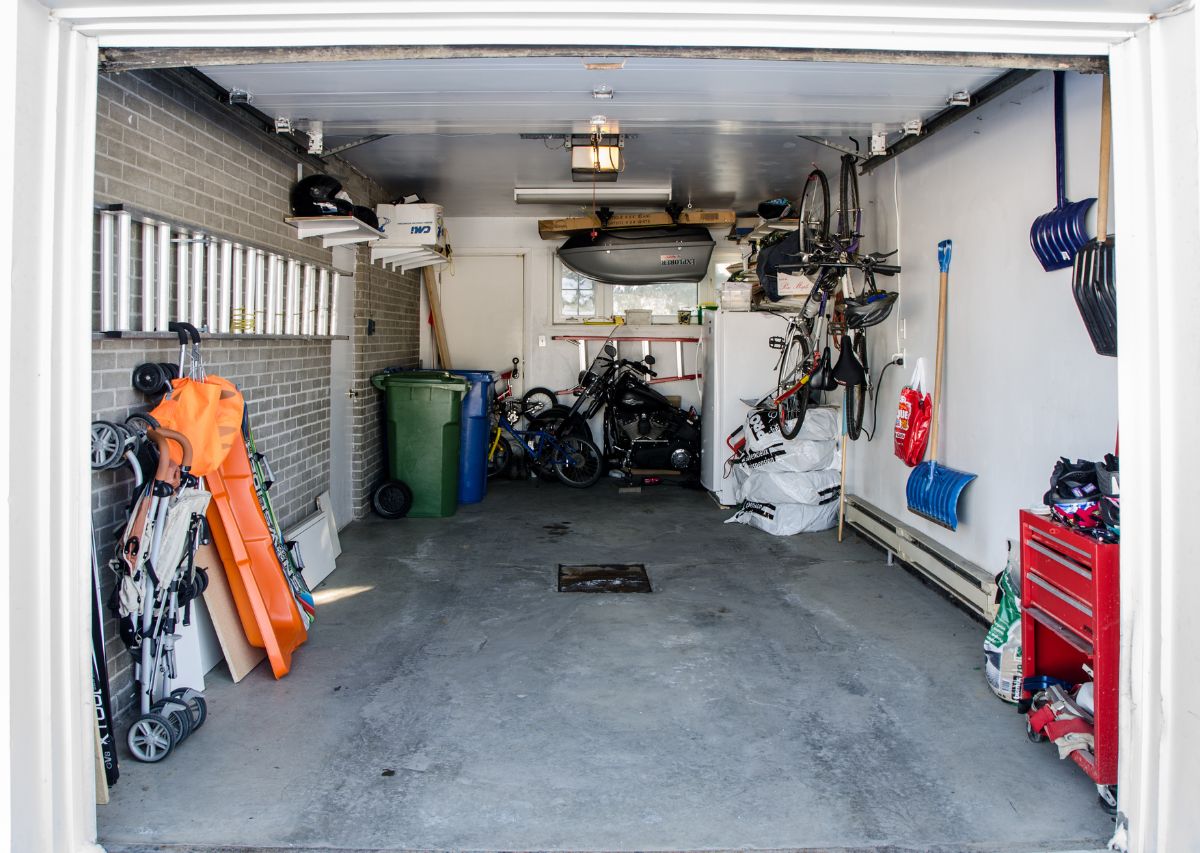
Dealing with a wet driveway and a damp floor is a major headache for many homeowners. Learning how to stop water from coming into garage areas is vital to protect your vehicles, stored belongings, and the structural integrity of your home. If left unchecked, moisture can lead to concrete degradation, structural issues requiring professional water damage remediation, and dangerous mold growth.
When heavy storms arrive, surface runoff naturally seeks the lowest point. Without the right barriers and drainage, that low point is often your garage floor. Understanding the mechanics of water entry is the first step in discovering how to stop water from coming into garage spaces effectively during the next big seasonal downpour.
Inspecting the Garage Door Threshold
The most common entry point for moisture is the bottom of the main door. If the rubber seal is cracked or brittle, it cannot create a watertight bond with the concrete. Checking this seal is a primary step in learning how to stop water from coming into garage environments during a storm.
You should also look for gaps between the door and the side jambs. If the door is not seated properly, wind can drive rain right through the openings. Adjusting the tracks or replacing the weatherstripping is an affordable way to understand how to stop water from coming into garage thresholds without expensive repairs.
Evaluating Driveway Grading and Slopes
If your driveway slopes toward the house, gravity will always work against you. To successfully master how to stop water from coming into garage floors, you may need to address the grading of the pavement. Even a small incline can send hundreds of gallons of runoff toward your interior space.
Regrading a driveway is a significant project, but it is often necessary for long term protection. Alternatively, installing a trench drain at the mouth of the garage can intercept the flow. This is a very effective method for how to stop water from coming into garage areas where the land naturally dips.
The Importance of Exterior Drainage
Your gutters play a massive role in keeping your garage dry. If a downspout is dumping water right next to the garage wall, that liquid will eventually find its way inside. Redirecting these pipes is a fundamental lesson in how to stop water from coming into garage foundations and wall cavities.
Ensure your gutters are clear of debris so they do not overflow during a heavy rain. When the water spills over the edge, it lands at the base of the structure. Keeping your drainage system in top shape is the easiest way to figure out how to stop water from coming into garage walls.
Sealing Concrete Cracks and Joints
Concrete is porous and can develop hairline cracks over time. These small openings act as conduits for groundwater, allowing moisture to seep upward through the slab. Sealing these cracks with a high quality epoxy or polyurethane filler is essential for how to stop water from coming into garage floor surfaces.
You should also pay attention to the expansion joints where the driveway meets the garage floor. If these joints are not properly sealed, they become a direct path for water. Using a flexible masonry caulk helps you learn how to stop water from coming into garage joints while allowing for natural temperature shifts.
Essential Hardware for a Dry Garage
- Install a high quality garage door threshold seal to create a physical barrier.
- Replace worn out weatherstripping around the entire perimeter of the door.
- Use a waterproof masonry sealer on the interior walls to prevent seepage.
- Position a trench drain in front of the door to redirect heavy surface runoff.
- Add a sump pump if your garage is located below the local water table.
By combining these hardware solutions, you create a layered defense system. No single fix is perfect, but together they provide a robust answer to the problem. Implementing these changes is the best way to handle how to stop water from coming into garage spaces during the most volatile weather months.
Managing 780 Square Feet of Runoff
A standard driveway can collect over 780 gallons of water during a heavy storm. Managing this volume requires a clear path for the liquid to escape before it reaches your door. Without a proper exit strategy, this volume of water will quickly overwhelm any small weather seal you have.
Calculating the flow of water helps you size your drains correctly. If your trench drain is too small, it will simply overflow. Being proactive about the volume of rain is a key part of knowing how to stop water from coming into garage areas when the clouds turn dark and heavy.
The Role of Landscaping and Berms
Sometimes you can use the landscape to your advantage. Building a small earthen berm or a decorative stone wall can redirect water away from the driveway. This natural approach is a beautiful way to understand how to stop water from coming into garage spaces without changing the pavement itself.
Rain gardens are another excellent option for absorbing excess moisture. By planting water hungry shrubs and using specialized soil mixes, you can reduce the amount of surface runoff. This ecological solution contributes to the goal of how to stop water from coming into garage floors while adding curb appeal.
Dealing with Subsurface Seepage
In some cases, the water is not coming over the threshold but up through the ground. This happens when the water table rises after a long period of rain. Knowing how to stop water from coming into garage floors in this situation often requires an interior drainage system.
A perimeter drain installed inside the garage can collect this seepage and move it to a sump pump. If moisture has already caused hidden growth, you may need professional mold remediation to ensure the air quality remains safe. While this is a more invasive process, it is sometimes the only way to deal with high groundwater. It is a permanent solution for how to stop water from coming into garage interiors.
Maintaining Your Barriers Year Round
A dry garage requires constant vigilance. Check your seals every autumn before the snow and ice arrive. Freezing temperatures can cause rubber to contract and crack, failing just when you need it most. Maintenance is a vital part of how to stop water from coming into garage areas.
You should also clear any ice or snow buildup from the mouth of the garage. When the snow melts, it can create a localized flood right at your door. Taking the time to shovel properly is a simple but effective tactic for how to stop water from coming into garage floors.
Professional Solutions for Persistent Garage Leaks
Classic Disaster has built a trusted heritage by helping families recover from unexpected home emergencies for decades. Our team provides water extraction, specialized repair and reconstruction, and deep structural drying for every client. We use industrial pumps to remove standing water from your home. Let our experts dry your space so you can park your worries at the curb.
Frequently Asked Questions
Sandbags are a temporary way for how to stop water from coming into garage areas during an emergency. They act as a physical barrier to redirect heavy flow. However, they are not a permanent solution and should be replaced with better grading or a trench drain once the storm has passed safely.
You can check your seal by looking for light coming through the bottom of the door when it is closed. If you see daylight or feel a draft, the seal is not airtight. Replacing this rubber strip is a vital first step in learning how to stop water from coming into garage floors.
A trench drain is very effective for how to stop water from coming into garage spaces, but it must be kept clear of leaves and debris. If the grate becomes clogged, water will simply flow over the top and into your home. A quick monthly cleaning ensures the system works perfectly.
Insurance coverage depends on the source of the water. Sudden pipe bursts are usually covered, but seepage through the foundation or surface flooding may require a separate policy. If you are worried about how to stop water from coming into garage areas, check your specific policy for water backup.
Yes, a professional can apply industrial grade epoxy or penetrating sealers to the concrete. This helps with how to stop water from coming into garage floors by closing the pores of the masonry. It also makes the surface easier to clean and resistant to oil stains and other common spills.