
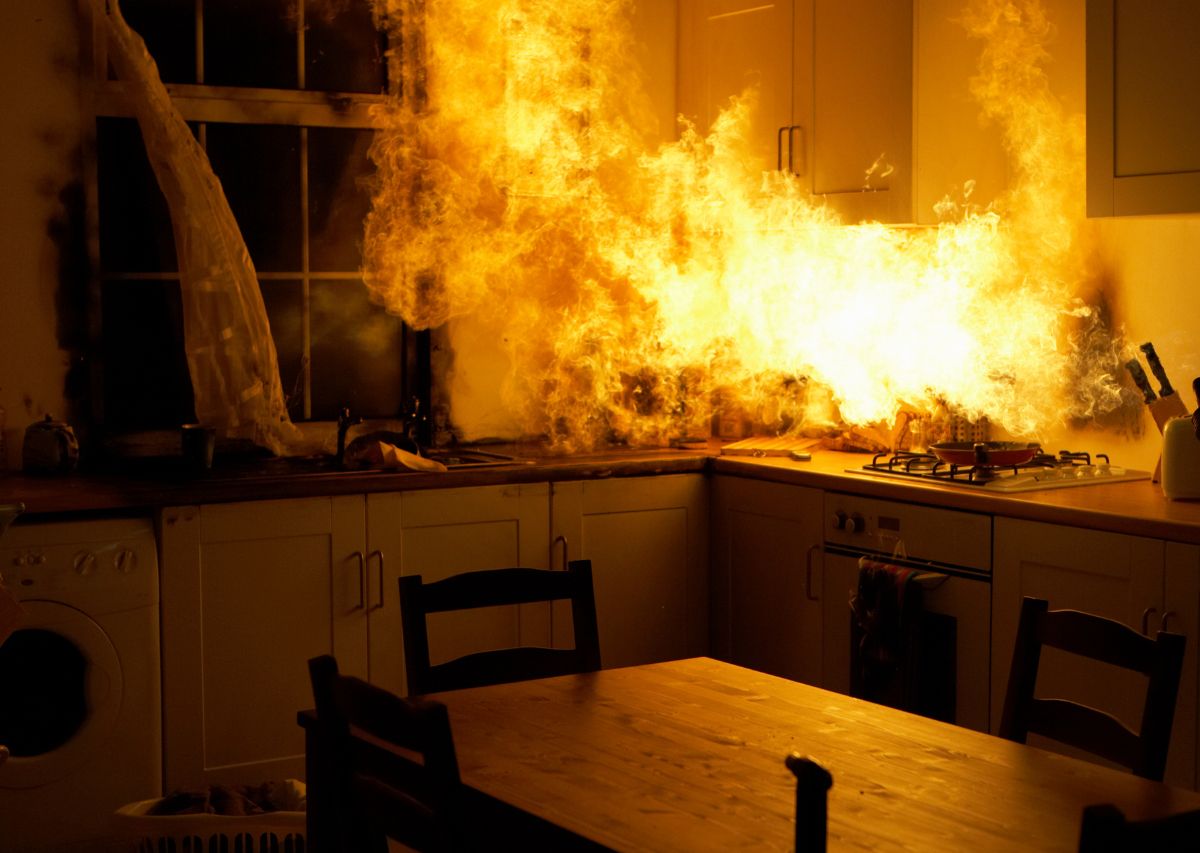
How to Manage Kitchen Emergencies and Suppression
Kitchen safety is a priority for every homeowner, yet accidents can happen in seconds. Knowing how to put out a grease fire is one of the most critical skills you can possess. These fires are unique because they involve highly flammable oils that reach extreme temperatures, often exceeding 3600 square inches of surface risk. If an amateur attempt to douse the flames with a bucket causes a flood in your kitchen, you may also need to look into professional water damage remediation.
When cooking, it only takes a moment of distraction for oil to ignite. If you find yourself facing flames on the stove, your immediate reaction determines the outcome. Understanding the science behind these fires and the correct suppression methods can save your property from significant damage and keep your family safe.
The Immediate Response to Kitchen Flames
The very first thing you must do when a pan ignites is stay calm. Panicked movements can lead to spills, which spread the fire across your countertops and floor. If you are focused on how to put out a grease fire, remember that your first mechanical action should always be turning off the heat.
By turning off the burner, you remove the energy source feeding the flames. This is a vital step in the process of how to put out a grease fire effectively. Without a constant heat supply, the oil will eventually drop below its flash point, though it remains dangerous for several minutes afterward.
Why Water is Your Worst Enemy
One of the most dangerous mistakes a person can make is throwing water on oil flames. Water is denser than oil and will sink to the bottom of the pan instantly. It then vaporizes into steam, expanding rapidly and carrying flaming oil droplets into the air and onto nearby surfaces.
When people research how to put out a grease fire, the warning against water is usually the most emphasized point. This explosive reaction can turn a small pan fire into a total kitchen inferno in less than a second. Never use a wet cloth or water spray when trying to extinguish oil.
The Smothering Technique
The most effective DIY method for how to put out a grease fire is to remove the oxygen. You can achieve this by carefully sliding a metal lid over the pan. Ensure you are wearing oven mitts to protect your hands and arms from the intense radiant heat coming off the stove.
Do not lift the lid to check if the fire is out. If oxygen is reintroduced too early, the superheated oil can reignite instantly. Leave the lid in place until the pan has completely cooled to room temperature. This patience is a key component of how to put out a grease fire.
Using Baking Soda and Salt
If the fire is small and manageable, you can use common kitchen staples to help. Baking soda releases carbon dioxide when heated, which helps to smother the flames. It takes a significant amount of baking soda to work, so keep several boxes accessible in your pantry for safety.
Salt is another option because it absorbs heat and creates a physical barrier between the oil and the oxygen. However, never use flour or sugar, as these are combustible and can cause a small explosion. Knowing these differences is essential when learning how to put out a grease fire during an emergency.
The Role of Fire Extinguishers
Every kitchen should be equipped with a fire extinguisher specifically rated for grease fires. A Class K extinguisher is designed for commercial kitchens, but a standard Class B or ABC extinguisher works for most residential needs. Aim the nozzle at the base of the fire rather than the flames.
When you use an extinguisher while practicing how to put out a grease fire, be aware that the pressure can splash flaming oil. Discharge the canister from a safe distance and move closer only as the flames subside. Always read the instructions on your specific device before an actual emergency occurs.
Post Fire Assessment and Damage
Even after the flames are gone, the aftermath can be overwhelming. Smoke and soot from a grease fire contain acidic residues that can damage your appliances and cabinetry within hours. Professional cleaning is often necessary to ensure that the lingering odors and invisible particles are completely removed from your home.
Structural damage can also occur if the heat was intense enough to affect the wall behind the stove. If you had to learn how to put out a grease fire the hard way, you might need a restoration expert to evaluate the safety of your kitchen before you begin cooking again. During this inspection, professionals often check for hidden issues like moisture traps that require mold remediation to ensure your air quality remains safe.
Preventing Future Grease Fires
Prevention is always better than suppression. Never leave your cooking unattended, especially when frying or searing meat at high temperatures. Using a thermometer to monitor oil heat can prevent it from reaching the point of ignition, which is the best way to avoid a dangerous situation.
- Clean your stovetop and exhaust hood regularly to prevent grease buildup.
- Keep flammable items like paper towels and curtains away from the burners.
- Always have a properly fitting lid nearby whenever you are cooking with oil.
- Install a heat sensor alarm in the kitchen to get an early warning.
- Replace old cookware that may have warped bottoms and uneven heating patterns.
Education is the final piece of the puzzle. Ensure everyone in your household knows the steps for how to put out a grease fire correctly. Regular safety drills and checking the expiration dates on your fire extinguishers can provide peace of mind and prepare your family for any kitchen accident.
When to Evacuate
There is a limit to what a homeowner should handle alone. If the fire spreads to the cabinets or the exhaust fan, you must stop trying to figure out how to put out a grease fire and leave immediately. Close the door behind you to contain the smoke and call emergency services.
Property can be replaced, but lives cannot. Professional firefighters have the gear and training to handle large scale kitchen fires that have moved beyond the pan. Recognizing when a situation has become too dangerous is an important part of knowing how to put out a grease fire safely.
Professional Restoration Services
Once the fire department leaves, the recovery process begins. Grease fires leave behind a greasy film that standard household cleaners cannot easily cut through. Specialized equipment is needed to scrub the air and surfaces, ensuring your kitchen is sanitary and safe for future food preparation and family gatherings.
Restoration professionals can also help with insurance claims by providing detailed reports on the extent of the damage. If the fire was severe, you may require comprehensive repair and reconstruction services to return your home to its former glory. Dealing with the fallout of a grease fire is a complex task, but with the right help, you can return your kitchen to its original condition and move forward with confidence.
Restore Your Home Following a Cooking Emergency
Classic Disaster has built a trusted heritage by helping families recover from unexpected home emergencies for decades. Our team provides soot removal, air purification, and full structural restoration for every client. We use industrial equipment to eliminate stubborn smoke odors from your walls. Let our pros handle the mess so you can get back to cooking.
Frequently Asked Questions
The fastest way to stop a small grease fire is to turn off the heat and slide a metal lid over the pan. This removes the oxygen and stops the combustion process. Do not use a glass lid as the intense heat could cause it to shatter. Keep the lid on until the oil is cool to the touch.
Yes, a fire blanket is an excellent tool for how to put out a grease fire safely. You should carefully place the blanket over the pan to cut off the oxygen supply completely. Ensure your hands are protected by the corners of the blanket and turn off the heat source immediately for safety.
Using a wet towel on a grease fire is dangerous because the water on the towel will turn into steam instantly. This steam expansion forces the burning oil upward and outward, spreading the fire to your walls and ceiling. Always use a dry metal lid or a specialized fire extinguisher instead.
Cleaning up after an extinguisher requires care because the chemicals can be corrosive to metal surfaces. You should vacuum up any dry powder and then wipe down all surfaces with a mixture of soap and warm water. For large messes, hiring a professional restoration team ensures a thorough clean.
The smoke smell from a grease fire is very persistent because of the oils involved. It often requires professional air scrubbing and specialized cleaning solutions to fully remove the odor from porous surfaces like wood and drywall. Quick action after the fire helps prevent the smell from setting in.