
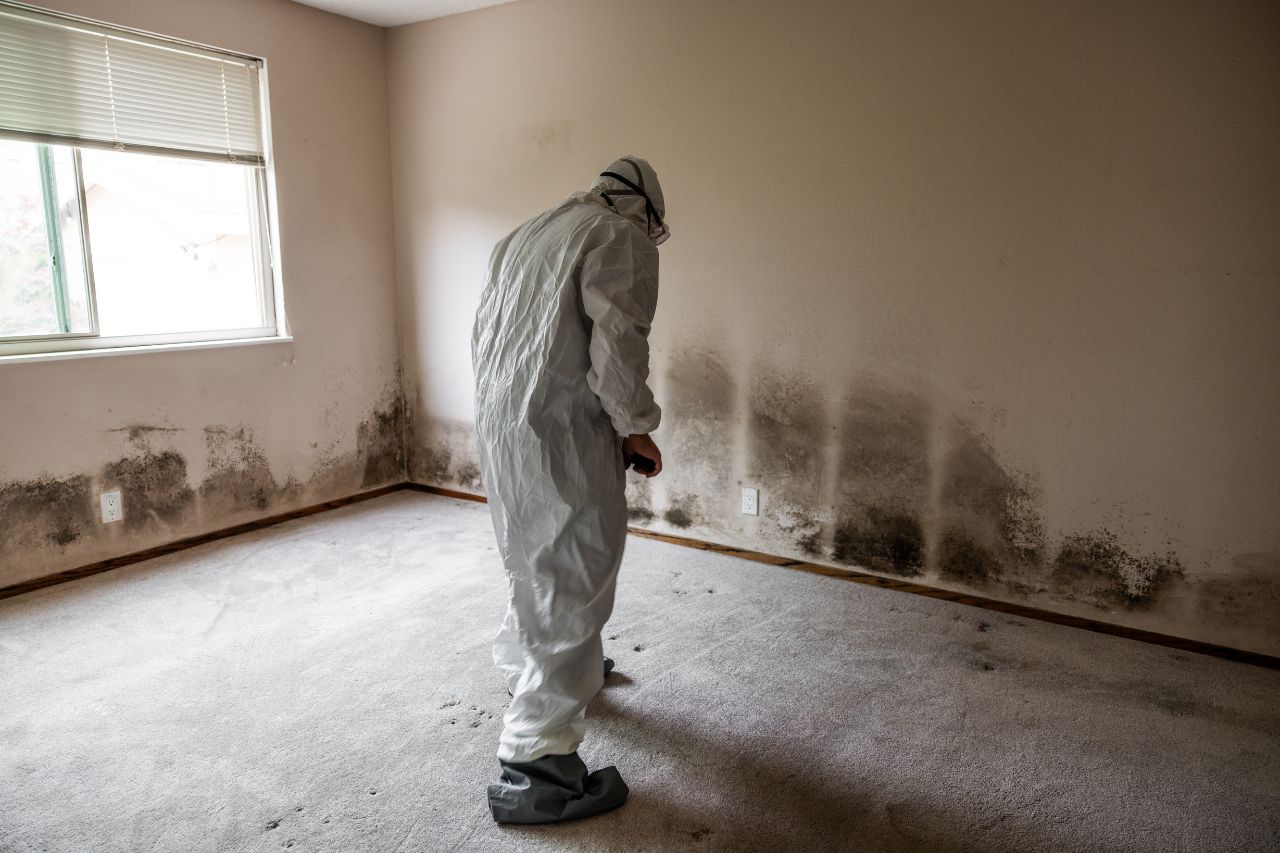
Black mold on drywall can jeopardize property value, indoor air quality, and health. Classic Disaster, Evanston’s leading restoration company, offers a comprehensive blueprint to safely and permanently eliminate black mold from walls. Discover proven methods, expert tips, and local insights, all designed to keep homes safe and healthy.
Understanding Black Mold on Drywall
Black mold (Stachybotrys chartarum) thrives in moist environments, commonly appearing after leaks, flooding, or persistent humidity. Drywall is especially vulnerable because it’s porous and slow to dry, giving mold the ideal conditions to spread. Mold on drywall often creates black, green, or gray spots and carries a musty odor. Left untreated, mold will eat into drywall, paint, wood studs and can create serious respiratory issues for occupants.
Why It’s Important to Act Fast
- Health Risks: Black mold spores aggravate asthma, cause allergic reactions, and may trigger headaches or fatigue.
- Property Damage: Mold weakens drywall, causing stains, warping, and even structural damage to wood framing.
- Spread Potential: Airborne spores easily contaminate adjacent rooms, carpets, insulation, and HVAC ducts.
Classic Disaster advises immediate attention ,removing black mold early reduces health risks, restoration costs, and inconvenience.
Signs of Black Mold on Drywall
- Visible black, green, or dark stains spreading on wall surfaces.
- Peeling paint or wallpaper in humid areas.
- Musty odor, especially after rain or water leaks.
- Persistent allergy symptoms among residents.
- Water damage history (leaks, overflow, recent flooding).
Preparation: Safety First
Prioritize safety before tackling mold removal:
- Wear protective gear: mask (N95), gloves, goggles, and disposable coveralls.
- Seal off the affected area with plastic sheeting and painter’s tape.
- Turn off climate control systems to prevent spore spread through air ducts.
- Remove pets, children, and the elderly from the workspace.
Best DIY Methods for Black Mold Removal
Step 1: Isolate and Ventilate
- Use plastic sheets and tape to close off the moldy room.
- Open windows for airflow, setting a fan near the window (blowing out) to direct spores outside.
Step 2: Select a Safe Cleaning Solution
Several effective cleaning solutions for drywall include:
- Hydrogen Peroxide (3%): Spray directly on patches, let sit for 10 minutes, and wipe clean.
- White Vinegar (Undiluted): Spray and leave for at least one hour. Kills up to 80–90% of common mold species.
- Mild Dish Soap & Water: Useful for light surface mold buildup.
- Vinegar and Baking Soda Mix: For added cleaning power and moisture absorption, apply baking soda paste after vinegar for stubborn areas.
Note: Bleach is less effective on drywall; it doesn’t penetrate deeply enough to kill mold roots and can worsen air quality. Opt for vinegar or peroxide for porous surfaces.
Step 3: Gentle Scrubbing
- Use a soft brush or sponge; never scrub too hard, as this can damage drywall.
- Wipe the affected area with clean water and dry immediately using towels or fans.
- Repeat the process for persistent mold, but avoid saturating drywall with excess moisture.
Deep Cleaning Strategies for Severe Infestations
- Cut Out Severely Damaged Drywall: If mold has permeated through, use a utility knife to remove stained drywall at least three feet beyond affected areas.
- Treat Exposed Framing: Scrub wood studs with hydrogen peroxide or commercial mold-killing solution. Dry thoroughly before repairs.
- Dispose Safely: Seal debris in plastic bags for proper disposal; do not leave moldy waste in living areas.
- Dry the Area: Run fans and dehumidifiers for 24–48 hours to remove moisture before patching.
- Prime for Prevention: Once dry, apply a mold-resistant primer before installing new drywall panels.
Professional Mold Remediation: When and Why
When to Call Classic Disaster
- Mold covers more than 10 square feet.
- Mold keeps returning after DIY treatments.
- Visible mold inside wall cavities or the HVAC system.
- Family members experience persistent health symptoms.
- Signs of rot, severe stains, or compromised drywall.
What Professional Remediation Includes
- In-depth inspection, including air and surface sampling.
- Full containment with negative air pressure and dedicated HEPA air filtration.
- Safe demolition and disposal of contaminated drywall, insulation, and trim.
- Cleaning and treatment of all exposed building materials.
- Restoration, including new drywall, baseboards, and paint.
- Expert guidance to address moisture issues: leaks, condensation, and poor ventilation.
Classic Disaster employs certified technicians using industry-standard antifungal and antimicrobial treatments, restoring health, safety, and peace of mind for Evanston homeowners.
Preventing Black Mold on Drywall
Long-Term Strategies
- Fix leaks and water damage immediately: roof, windows, plumbing fixtures.
- Use exhaust fans in kitchens and bathrooms.
- Maintain indoor humidity below 50%, using dehumidifiers if needed.
- Insulate exterior walls to minimize condensation.
- Regularly inspect attics, basements, and crawl spaces for moisture and mold.
Classic Disaster offers moisture detection, inspection programs, and advice tailored to Evanston’s climate challenges.
Local Insights: Evanston’s Mold Problem
With fluctuating Lake Michigan humidity and seasonal storms, Evanston homes are uniquely at risk for black mold. Older homes often have less-effective insulation and ventilation, while basement flooding after rain remains common. Classic Disaster’s local presence ensures rapid response and real-time solutions familiar with local regulations, property types, and weather extremes.
Frequently Asked Questions
Black mold can trigger allergies, respiratory symptoms, and worsen asthma. It might also cause fatigue and headaches, especially in those with weakened immune systems. Prompt removal eliminates health risks.
No. Painting without cleaning and priming traps moisture and spores, worsening the problem. Always remove mold before any repair or renovation.
Persistent leaks, condensation, or poor ventilation allow spores to regrow. Address the source of moisture, use antifungal treatments, and keep humidity low for permanent results.
Classic Disaster: Evanston’s Black Mold Experts
- Decades of experience in mold, water, and fire damage restoration.
- Trained, certified professionals using industry-best tools and solutions.
- 24/7 emergency service throughout the North Shore.
- Insurance-approved claims process for restoration costs.
- Full-spectrum services: inspection, remediation, repairs, and ongoing support.
When black mold attacks drywall, fast action saves money, health, and your home’s future. Get a free consultation today from Classic Disaster and restore safety to Evanston’s homes.
Classic Disaster combines expertise, compassion, and state-of-the-art technology to defeat black mold, ensuring that families enjoy safe, healthy, welcoming spaces for years to come.