
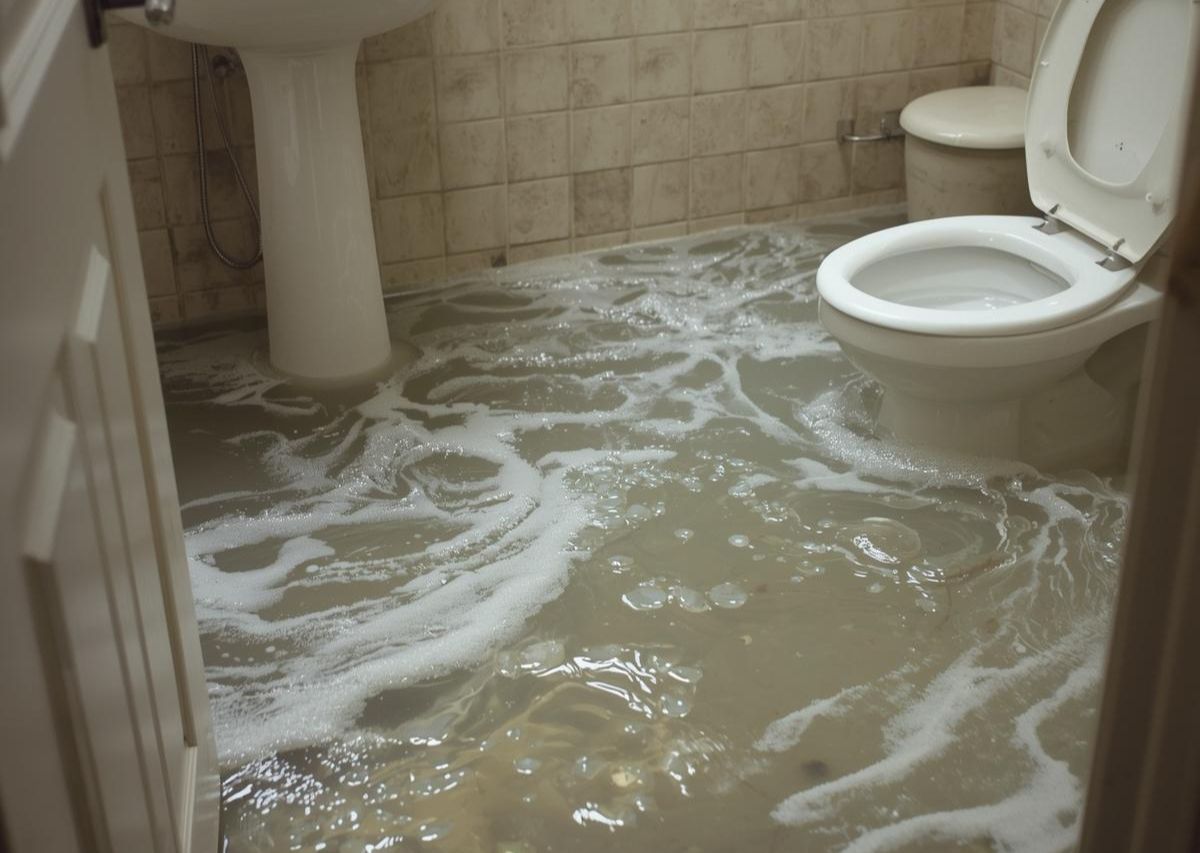
Finding a flooded bathroom floor is a stressful experience for any homeowner. Whether the cause is a burst pipe, an overflowing tub, or a toilet malfunction, immediate action is required to prevent structural damage and mold growth. Understanding how to navigate this crisis ensures your home remains a safe environment for your family. If the damage is extensive, you may need water damage remediation to prevent long-term issues.
Safety First
When you encounter a flooded bathroom floor, your first priority must be safety. Water and electricity are a dangerous combination, so you should turn off the power to the affected area at the breaker box before stepping into the water. Wear rubber boots and gloves to protect yourself from potential contaminants in the water.
Once the area is safe, identifying the source of the water is the next critical step. If the water is coming from a supply line, shut off the main water valve immediately to stop the flow. Stopping the water source prevents the flooded bathroom floor from becoming a much larger problem that reaches other rooms.
Water Extraction and Drying
Water extraction is the most labor intensive part of the process. You can use a wet dry vacuum or a mop to remove as much standing water as possible from the tiles and grout. The faster you remove the liquid, the less likely it is that moisture will seep into the subfloor below.
The subfloor is particularly vulnerable to long term damage if it remains damp. Plywood or particle board can swell and rot when exposed to excessive moisture for extended periods. This structural instability can lead to expensive repairs if the flooded bathroom floor is not addressed with professional grade equipment and specialized drying techniques.
Air circulation is vital for effective drying. Open windows and use high powered fans to move air across the floor surface. A dehumidifier is also essential because it pulls moisture out of the air, which speeds up the evaporation process from the flooring materials and the surrounding drywall and baseboards.
Professional Tips for Drying a Flooded Bathroom Floor
- Remove all rugs and bathroom mats immediately to allow the hard flooring to breathe.
- Check the vanity cabinet for hidden water that may have seeped under the base.
- Use a moisture meter to verify that the subfloor is completely dry before replacing any trim.
- Inspect the ceiling in the room directly below the bathroom for signs of water stains.
- Clean the floor with a disinfectant once dry to eliminate any bacteria or pathogens.
Hidden Dangers of Moisture
Porcelain and ceramic tiles are generally water resistant, but the grout lines between them are porous. Water can travel through these small gaps and sit underneath the tiles, causing them to loosen over time. If you notice tiles shifting or popping, the flooded bathroom floor may require professional intervention to save.
While DIY efforts are helpful for minor spills, significant flooding usually hides moisture in wall cavities. Moisture trapped behind walls can lead to the growth of toxic mold within twenty four to forty eight hours. If you notice a musty odor, you should seek professional mold remediation to ensure your air quality remains safe. Professional restoration teams use infrared cameras to locate hidden pockets of water that the naked eye cannot see.
Insurance and Cleaning
Documentation is an important part of the recovery process for insurance purposes. Take clear photographs of the flooded bathroom floor and the surrounding damage before you begin the cleanup. Keep a detailed log of the steps you took and any professional services you hired to ensure a smooth claims process.
After the water is removed, the cleaning phase begins. You must sanitize every surface that came into contact with the water, especially if the source was a toilet overflow. Strong cleaners help ensure that no lingering odors or germs remain in your bathroom after the restoration project is finished.
Prevention and Long-Term Care
Preventative maintenance can help you avoid future flooding incidents. Inspecting your plumbing fixtures regularly and replacing old hoses with braided stainless steel lines reduces the risk of failure. Installing a leak detection system can also provide an early warning before a small leak turns into a major disaster.
Restoring your home to its original condition takes time and patience. Even after the floor looks dry, deep drying may continue for several days. Monitoring the humidity levels in the bathroom helps you determine when it is safe to return the room to its normal daily use and layout.
How to Fix a Flooded Bathroom Floor | Classic Disaster
- Shut off the electricity and the water supply to ensure the area is safe.
- Extract all standing water using a shop vacuum or heavy duty towels.
- Position industrial fans and a large dehumidifier to facilitate rapid evaporation.
- Sanitize the entire area with professional grade antimicrobial solutions to prevent mold.
- Contact a restoration expert to perform a final inspection of the subfloor integrity.
Furniture and bathroom vanities often absorb water through their bases. If your vanity is made of pressed wood, it may expand and lose its structural integrity quickly. Acting fast to dry these items might save them, but often they need to be replaced after a major flooding event occurs.
Managing the humidity in your home during the restoration is a constant task. If the air becomes too saturated with moisture, the drying process will stall. Emptying the dehumidifier bucket regularly or setting up a continuous drain hose ensures the machine operates at maximum efficiency throughout the entire night.
Protecting Your Investment
The psychological impact of property damage should not be overlooked. Seeing your home underwater is overwhelming, but following a structured plan helps regain a sense of control. Dealing with a flooded bathroom floor is manageable when you break the tasks down into small, achievable steps for your daily schedule.
Ultimately, the goal is to protect your investment and maintain a healthy living space. A thorough cleanup prevents the long term headaches of structural rot and respiratory issues caused by hidden mold. If your home has suffered significant structural damage, professional repair and reconstruction may be necessary to return the space to its former glory. Your diligence today will ensure that your bathroom remains a functional and beautiful part of your home.
Rapid Recovery for Your Flooded Bathroom Surfaces
Classic Disaster has served our community for years with a legacy of integrity and excellence. Our team provides water extraction, mold remediation, and full structural drying for every client. We use advanced thermal imaging to find hidden leaks behind your tile walls. Let our experts dry your home so you can finally wash your worries down the drain.
Frequently Asked Questions
Drying a bathroom floor usually takes between twenty four and seventy two hours. This timeframe depends on the volume of water and the efficiency of your drying equipment. Professional grade dehumidifiers and air movers are often required to ensure that deep moisture is fully removed from subfloors.
Most homeowners insurance policies cover sudden and accidental water damage like burst pipes. However, damage caused by lack of maintenance or long term leaks might be excluded. It is vital to document the scene and contact your provider quickly to discuss the specific details of your recovery coverage.
Whether a vanity can be saved depends on the material. Solid wood has a higher chance of being restored through professional drying. Items made of particle board or MDF often swell and disintegrate once they absorb water. Fast action is the only way to potentially save these porous bathroom fixtures.
Mold is a significant concern because it can begin growing within twenty four hours of water exposure. Moisture trapped behind baseboards or under flooring is a primary breeding ground. Ensuring the area is completely dry and treated with antimicrobial cleaners is the best way to prevent a mold outbreak.
You may not need to replace the tile if the water is removed quickly and the subfloor remains dry. If the grout is damaged or tiles are loose, water has likely reached the underlying structure. A professional inspection can determine if the flooring is still safe or if it requires a full replacement.