
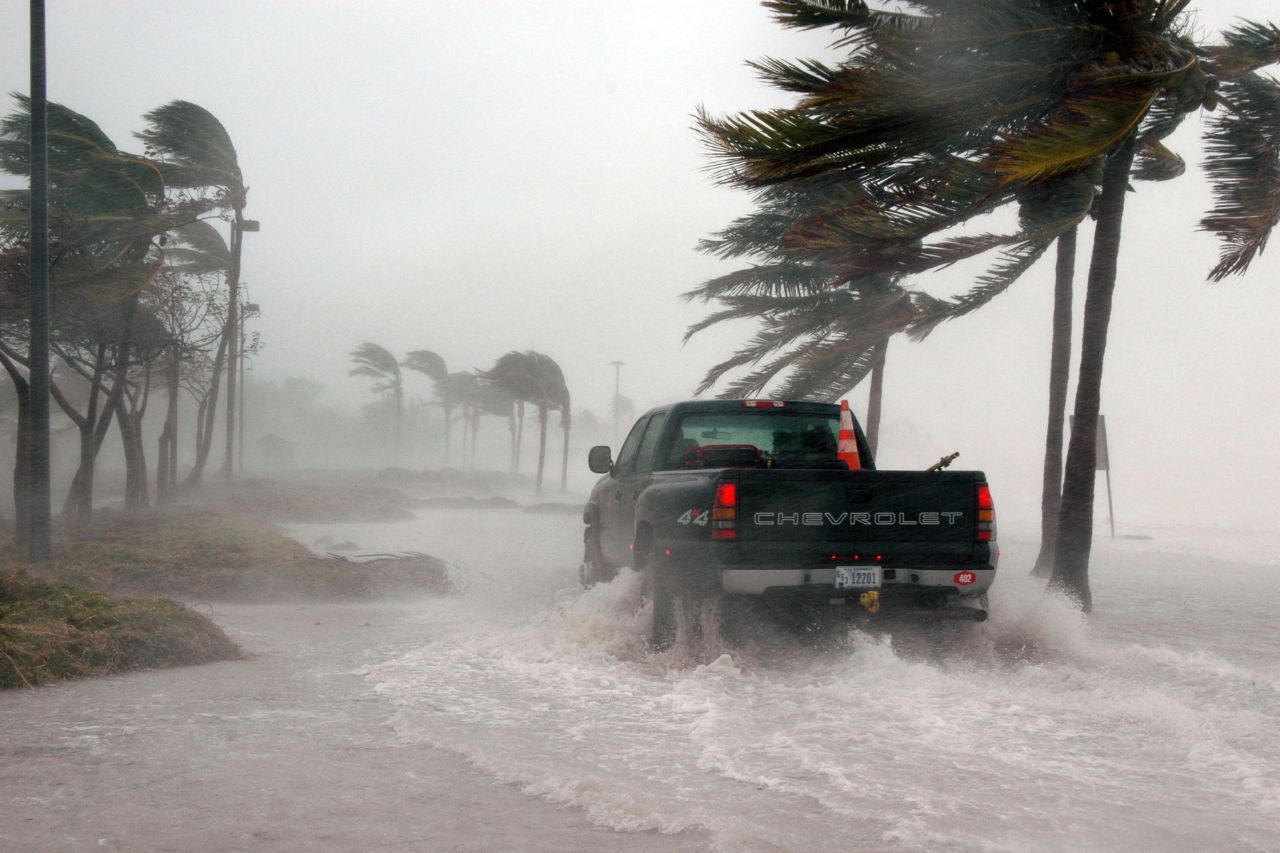
Hurricanes are powerful tropical cyclones that form over warm ocean waters and bring destructive winds, torrential rain, and devastating storm surges. While Evanston, IL is not directly in the traditional hurricane path, understanding hurricane frequency and the remnants of these storms that can affect the Midwest is essential for comprehensive disaster preparedness. This guide explains how often hurricanes occur, their seasonal patterns, and how Classic Disaster helps homeowners and businesses recover from storm damage throughout the North Shore region.
Understanding Hurricane Frequency
Hurricanes develop regularly throughout the year, with distinct patterns based on ocean basin and seasonal conditions. In the North Atlantic basin, which affects the United States most directly, approximately six to seven hurricanes form each year on average, with roughly two making landfall in the United States. Since 1851, there have been 971 hurricanes at hurricane intensity and 338 at major hurricane intensity within the Atlantic Ocean.
Atlantic Hurricane Season Statistics
The Atlantic hurricane season runs officially from June 1 through November 30 each year. On average, 14 named storms occur each season, with an average of 7 becoming hurricanes and 3 becoming major hurricanes, which are classified as Category 3 or higher on the Saffir-Simpson scale. The long-term average from 1966 to 2009 shows around 11 tropical storms annually, with roughly six storms becoming hurricanes.
Peak hurricane activity occurs from late August through September, with the statistical peak on September 10. During the peak months of August through October, approximately 11 to 12 named storms typically develop, representing about 92 percent of a hurricane season’s total activity. According to NOAA, 93 percent of hurricanes that make landfall along the U.S. Gulf and East coasts have occurred between August and October.
Recent Hurricane Trends
Hurricane activity has shown an upward trend in recent decades. Analysis of hurricane records from 1980 to 2024 reveals that hurricane activity is increasing in the North Atlantic basin, with both the number of hurricanes and major hurricanes trending higher. The most active years during this period were 1995, 2005, 2010, 2020, and 2024, each producing more than 10 storms that achieved Category 1 status or higher.
The 2005 hurricane season stands out as one of the most destructive on record, producing 15 hurricanes, of which 7 became major hurricanes. The 2020 season was even more active in terms of total storms, with 30 named tropical cyclones and 14 hurricanes forming over the Atlantic basin.
Climate change has been identified as a contributing factor to stronger hurricanes occurring more frequently. The share of major hurricanes has increased from an average of 30 to 33 percent of all Atlantic hurricanes in the 1970s and 1980s to 40 to 50 percent per year in the 2000s, 2010s, and 2020s. This translates to an average of 1.6 major hurricanes per year in the 1970s and 1980s compared to 3 to 4 occurring annually today.
Current 2025 Hurricane Season
As of October 20, 2025, the Atlantic has seen 12 named storms, with 4 hurricanes and 3 major hurricanes. Notable storms include Hurricane Erin, which reached Category 5 intensity between August 11 and 22, and Hurricanes Gabrielle and Humberto, both reaching major hurricane status in September.
How Hurricanes Affect the Midwest
While hurricanes primarily impact coastal regions, their remnants frequently travel inland and affect areas far from the coast, including Illinois and the Midwest. The Illinois Emergency Management Agency has acknowledged that Illinoisans should be prepared for hurricane season effects, as the Midwest can feel the impacts of these powerful storms.
When hurricane systems move inland, they weaken but can still bring:
- Heavy rainfall causing flash flooding
- Strong gusty winds that damage trees and structures
- Tornado development from outer rain bands
- Power outages affecting thousands of residents
- Significant property damage requiring professional restoration
Understanding these risks helps Evanston residents prepare for the secondary effects of hurricanes even though the region is not in the direct strike zone.
Comprehensive Hurricane Preparedness
Proper preparation reduces risk and ensures faster recovery when storms strike. Classic Disaster recommends following these essential preparedness steps.
Create an Emergency Plan
Develop a written family emergency plan that includes evacuation routes, designated meeting places, and contact information for all family members. Identify safe shelter locations in your home, preferably interior rooms on the lowest level away from windows. Practice your plan regularly so everyone knows what to do when warnings are issued.
Build Emergency Supply Kits
Assemble comprehensive emergency kits that sustain your household for at least three days, though two weeks of supplies is recommended. Your emergency kit should include
- Water, one gallon per person per day
- Non-perishable food requiring no refrigeration
- Manual can opener
- Prescription medications and first aid supplies
- Battery-powered weather radio with extra batteries
- Flashlights with extra batteries
- Cell phone with chargers and backup battery
- Personal hygiene items
- Cash and important documents in waterproof containers
- Change of clothing and sturdy shoes for each person
- Blankets or sleeping bags
Protect Your Property
Take proactive steps to minimize potential damage to your Evanston home
- Trim trees and remove dead branches that could fall during high winds
- Secure outdoor furniture, decorations, and equipment
- Clean gutters and downspouts to prevent water backup
- Install storm shutters or have plywood pre-cut for windows
- Consider a backup generator with proper ventilation
- Review and update homeowner’s insurance policies
- Take photos and create inventory of belongings for insurance purposes
Stay Informed
Monitor weather conditions through multiple sources including NOAA Weather Radio, local news stations, weather apps, and emergency alert systems. Sign up for free emergency alerts from your local government to receive timely warnings. Understanding the difference between watches and warnings allows appropriate response. A hurricane watch means conditions are possible within 48 hours, while a hurricane warning means hurricane conditions are expected within 36 hours.
During a Hurricane or Severe Storm
If severe weather from hurricane remnants affects Evanston, take immediate protective action.
Shelter Safety
Move to a designated safe area in your home, preferably an interior room without windows on the lowest level. Stay away from all windows, skylights, and glass doors that could shatter from wind pressure or flying debris. Never go outside until authorities confirm the storm has completely passed, as conditions can change rapidly.
Avoid Hazards
Do not attempt to drive through flooded areas. Turn around and find alternate routes, as even shallow moving water can sweep vehicles away. Avoid using candles for lighting due to fire risk. If using a portable generator, operate it outdoors only with proper ventilation, never in garages, basements, or near windows.
After the Storm Passes
Recovery begins once authorities declare it safe. Follow these critical post-storm steps to protect your health and property.
Assess Damage Safely
Return home only after officials confirm it is safe to do so. Conduct a thorough inspection of your property, documenting all damage with photos and detailed notes for insurance claims. Look for structural damage, roof leaks, broken windows, water intrusion, and compromised utilities. Be alert for hazards including downed power lines, gas leaks, unstable structures, and contaminated floodwater.
Prevent Further Damage
Take immediate action to secure your property and prevent additional damage. Cover broken windows and damaged roofs with tarps or plastic sheeting. Remove standing water promptly to prevent mold growth, which can begin within 24 to 48 hours of water exposure. Clear debris from around your property and ensure proper drainage.
Contact Professional Restoration Services
For significant damage, contact Classic Disaster immediately for emergency restoration services. Professional water damage restoration is essential for thorough recovery. Classic Disaster’s certified technicians use advanced equipment to extract water, dry structures completely, apply antimicrobial treatments, and restore damaged areas.
The comprehensive restoration process includes
- Complete water extraction using industrial equipment
- Demolition and removal of unsalvageable materials
- Strategic placement of air movers and dehumidifiers for thorough drying
- Antimicrobial application to prevent mold growth
- Contents restoration for salvageable belongings
- Full reconstruction and build-back services
Work with Insurance
Document all damage thoroughly before beginning repairs. Contact your insurance company promptly to report the damage and initiate the claims process. Keep detailed records of all expenses, including temporary repairs, with receipts and photos. Create an inventory of damaged items with descriptions, purchase information, and estimated values. Classic Disaster works directly with all major insurance carriers and can assist with the claims process, ensuring proper documentation and fair treatment.
Restore Utilities Safely
Do not restore electricity, water, or gas services until all systems have been inspected for damage. If you smell gas or suspect a leak, evacuate immediately and contact the utility company. Avoid using electrical appliances if there is evidence of water near outlets or electrical panels. Have professionals verify that all utilities are safe before resuming normal use.
Why Classic Disaster Is Your Storm Recovery Partner
When severe weather damages properties across Evanston and the North Shore, Classic Disaster provides immediate 24/7 emergency response and complete restoration services. With over 50 years of experience serving the community, Classic Disaster understands the unique challenges facing local property owners.
Comprehensive Storm Damage Services
Classic Disaster specializes in complete disaster recovery including:
- Emergency water extraction and flood damage restoration
- Structural drying and dehumidification
- Mold remediation and prevention
- Emergency board-up and roof tarping
- Debris removal and site cleanup
- Full reconstruction services
- Insurance claims assistance
Local Expertise and Rapid Response
Based in Lincolnwood and serving Evanston and surrounding North Shore communities, Classic Disaster’s team responds quickly to emergencies. The company is pre-approved by all major insurance carriers and employs claims experts who navigate the insurance process efficiently. Their trained and certified technicians use advanced equipment and proven restoration techniques to return properties to pre-loss condition quickly and safely.
Trusted by the Community
Classic Disaster has built a reputation for reliability, transparency, and technical excellence over five decades of service. Property managers, homeowners, facility managers, and business owners throughout the North Shore trust Classic Disaster for professional restoration following all types of disasters.
Long-Term Preparedness
Hurricane preparedness should be maintained year-round, not just during peak season. Review and update emergency plans annually, refresh emergency supplies before they expire, and stay informed about local emergency procedures. The Illinois Extension provides resources for disaster preparedness specific to Midwest conditions, helping families prepare for various weather-related emergencies.
Classic Disaster encourages all Evanston residents to take disaster preparedness seriously. While hurricanes may not directly strike the Midwest, their remnants and other severe weather events can cause significant damage requiring professional restoration services. Being prepared saves lives and accelerates recovery when disaster strikes.
FAQs
On average, the Atlantic basin experiences about 14 named storms per year, with approximately 7 becoming hurricanes and 3 reaching major hurricane status at Category 3 or higher. Since 1878, roughly six to seven hurricanes have formed annually, with about two making landfall in the United States each year on average.
Yes, hurricane remnants frequently travel inland after making landfall on the coast and can bring heavy rain, flooding, strong winds, and tornado development to the Midwest including Illinois. The Illinois Emergency Management Agency advises residents to prepare for potential hurricane effects during the Atlantic season from June through November.
First ensure everyone’s safety and avoid hazards like downed power lines and gas leaks. Document all damage with photos and notes for insurance claims. Cover openings to prevent further water intrusion, remove standing water quickly, and contact Classic Disaster at 224-251-8444 for professional emergency restoration services to prevent mold growth and additional damage.
For immediate storm damage restoration in Evanston, IL, contact Classic Disaster at 224-251-8444 or info@classicdisaster.com. Their expert team is available 24/7 to respond to emergencies and provide comprehensive restoration services that return your property to safe, pre-loss condition.