
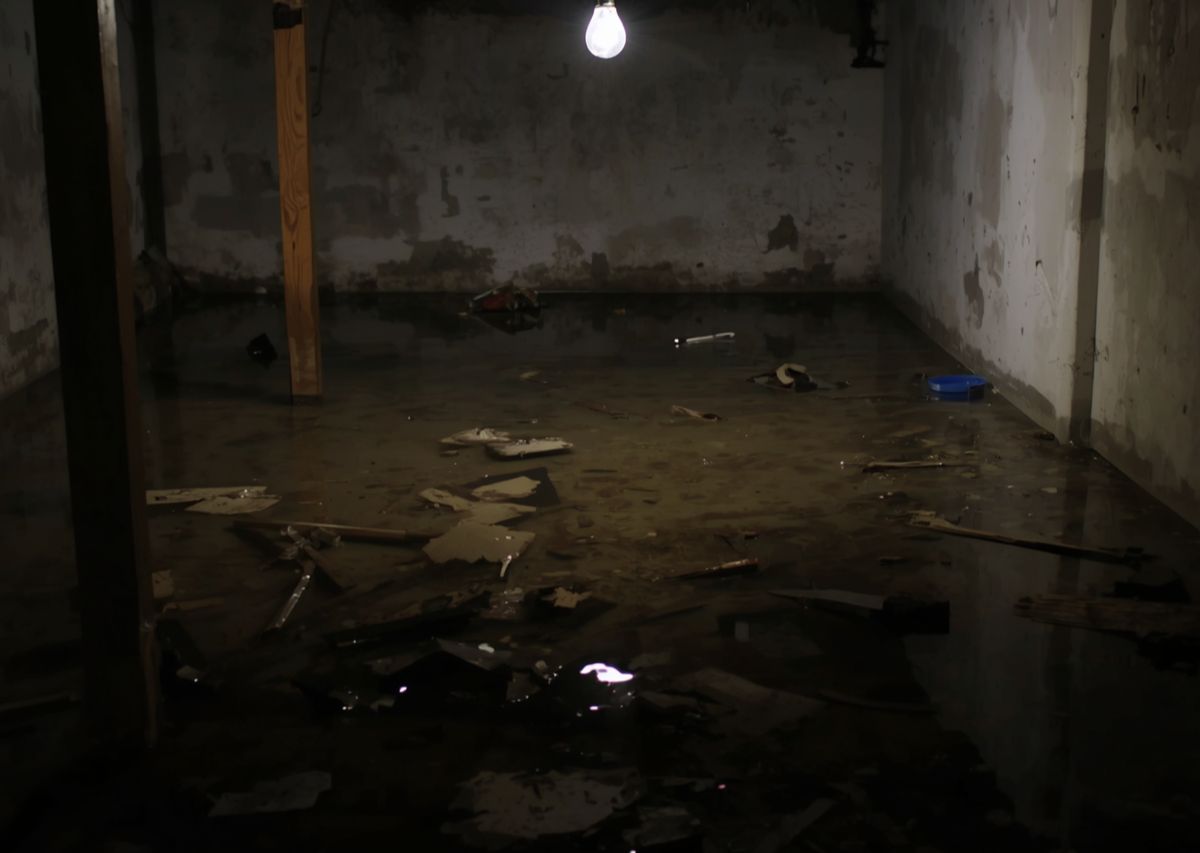
Discovering a flooded basement is a stressful experience that requires immediate and decisive action to prevent long term structural issues. Whether the water came from a heavy rainstorm or a failed sump pump, the moisture can quickly compromise the integrity of your foundations and personal belongings. Understanding the initial steps to take is crucial for your safety. For homeowners facing severe water intrusion, professional water damage remediation services can help stop further structural deterioration and begin the drying process immediately.
Secure your property against rising water by dialing 224-251-8444 to speak with a basement restoration specialist about emergency extraction now.
The complexity of a flooded basement often goes beyond what is visible to the naked eye. Water can seep into porous concrete and behind finished drywall, creating hidden pockets of moisture. Addressing these concerns quickly helps mitigate the risk of severe mold outbreaks and ensures that your home remains a healthy environment for your family.
Prioritizing Safety in a Wet Environment
Before entering the area, you must ensure that the electricity is turned off to prevent the risk of electric shock. Standing water can easily come into contact with outlets or appliances, creating a lethal hazard. If you cannot access the breaker box safely, you should wait for a professional to arrive and handle the situation.
In addition to electrical hazards, you should consider the cleanliness of the water. If the flooding was caused by a sewage backup, the area contains harmful pathogens. Wear protective gear including boots and gloves if you must move items. Safety should always be your first priority when dealing with any type of residential water intrusion.
Common Causes of Basement Inundation
One of the most frequent reasons for a flooded basement is the failure of a sump pump during a storm. These mechanical devices are designed to keep ground water away from your foundation, but they can become overwhelmed or lose power. Without a backup system, the water has nowhere to go but inside your home.
Foundation cracks also play a significant role in allowing moisture to enter. Over time, the pressure of the soil against the walls can create small openings that expand during periods of heavy saturation. Identifying these structural weaknesses is an important part of the overall restoration and prevention process for any homeowner.
The Role of External Drainage Systems
Proper grading around your home is essential for directing rainwater away from the foundation. If the soil slopes toward the house, water will naturally collect at the base of the walls and find its way inside. Ensuring that your lawn has a proper pitch is a simple yet effective way to protect your property.
Clean gutters and downspouts are also vital components of your defense. If gutters are clogged, water overflows and falls directly next to the basement walls. This localized saturation can lead to a flooded basement even if your foundation is relatively sound. Maintenance of these external systems should be a seasonal priority for everyone.
Professional Water Extraction Methods
When professionals arrive to handle a flooded basement, they use high capacity submersible pumps to remove the standing water quickly. This industrial equipment is much more efficient than residential shop vacuums. Fast extraction is necessary to stop the water from wicking higher into the walls and destroying more material.
Once the liquid is gone, technicians use moisture meters to locate hidden dampness. This data allows them to map out the affected areas and develop a strategic drying plan. Professional extraction is the first major milestone in returning your basement to its original condition and preventing further rot.
Drying and Dehumidification Processes
Simply removing the water is not enough to fix a flooded basement completely. The remaining moisture in the air and in the building materials must be addressed through aggressive dehumidification. High grain refrigerant dehumidifiers are used to pull gallons of water from the air every single day until the space is dry.
Strategically placed air movers are also used to facilitate evaporation. By moving dry air across wet surfaces, technicians can speed up the recovery time significantly. Monitoring the humidity levels daily ensures that the environment is reaching the necessary dry standard to prevent the growth of various types of fungi.
Salvaging Personal Belongings and Furniture
A flooded basement often contains sentimental items and expensive furniture that require special care. Sorting through these items quickly is important because the longer they stay wet, the less likely they are to be saved. Non porous items like plastic can usually be cleaned and sanitized with ease.
Porous materials like upholstered furniture or cardboard boxes are much more difficult to restore. If these items have been sitting in 1600 cubic inches of contaminated water or more, they may need to be discarded for health reasons. A professional restoration team can help you decide which items are worth the effort to save.
Addressing Structural Damage and Repairs
The weight of water can cause significant stress on basement walls and floors. In some cases, the floor may buckle or the walls may show signs of bowing. A structural assessment is often necessary after a severe flooded basement to ensure the house remains stable and safe for continued occupation.
Repairs might include sealing foundation cracks from the inside or installing new drainage systems. Replacing water damaged drywall and flooring is also a common part of the rebuilding phase. Investing in high quality, water resistant materials during the repair stage can provide extra protection for the future. Homeowners dealing with extensive structural issues often rely on comprehensive property restoration services to fully restore both the safety and value of the home.
Sanitization and Odor Removal
Water from the ground or from sewer lines carries a distinct and unpleasant odor. Even after the area is dry, these smells can linger in the concrete and wood framing. Specialized antimicrobial treatments are applied to all affected surfaces to kill bacteria and eliminate the source of the smell.
This step is vital for ensuring that the air quality in your home is safe. Deep cleaning involves scrubbing the floors and walls with professional grade solutions. Sanitization not only removes odors but also provides a clean slate for the reconstruction work that follows the initial drying phase.
The Importance of Professional Documentation
If you plan to file an insurance claim for your flooded basement, you will need detailed documentation of the damage and the repair process. Professionals keep logs of moisture readings, equipment usage, and the steps taken to mitigate the loss. This paperwork is essential for proving the necessity of the work to your provider.
Photographs taken before, during, and after the restoration provide a visual record that supports your claim. Having a professional team handle the paperwork reduces the stress on you and increases the likelihood of a successful settlement. Clear communication with your insurance company is a cornerstone of the recovery process.
Long Term Prevention Strategies
Preventing a future flooded basement involves a combination of maintenance and technological upgrades. Installing a battery backup for your sump pump ensures it continues to work during power outages. This is one of the most effective ways to protect your home from sudden storm surges.
You might also consider installing a water alarm that alerts your smartphone if moisture is detected. Regular inspections of your foundation and drainage systems can catch small problems before they turn into major disasters. Staying proactive is the best way to avoid the headache and expense of a water damaged home.
Understanding Sewage Backups
A flooded basement caused by a sewage backup is a Category 3 water loss, which is the most dangerous type. This water contains raw waste and chemicals that pose a severe health risk to anyone in the vicinity. Cleaning this type of mess requires specialized training and protective equipment. In situations involving contaminated floodwater, professional tragedy clean up services are essential for safe biohazard removal and complete sanitization.
In these cases, all porous materials that came into contact with the water must be removed and destroyed. The remaining hard surfaces must be treated with high level disinfectants. Understanding the category of your water loss helps you understand the necessary level of caution and the professional steps required.
Impact on Home Value and Resale
Unresolved water issues can significantly decrease the value of your property. Potential buyers are often wary of homes that have a history of a flooded basement. However, showing proof of professional restoration and the installation of preventative systems can help maintain your home’s marketability and overall value.
Keeping a file of all restoration receipts and warranties provides peace of mind to future owners. It demonstrates that you took the problem seriously and invested in the long term health of the structure. High quality repairs are an investment in your home’s future and your own financial security.
Managing Humidity in the Basement Year Round
Even without a major flooding event, basements are prone to high humidity. This constant dampness can lead to a musty smell and minor mold growth over time. Running a high quality residential dehumidifier year round can help keep the relative humidity below fifty percent, which is the ideal level.
Good ventilation and air circulation also play a role in keeping the area dry. If you have finished your basement, ensure that the HVAC system is properly balanced to reach the lower level. Managing humidity is a continuous part of being a homeowner and protecting your basement from the effects of moisture.
Conclusion and Final Steps for Homeowners
Dealing with a flooded basement is a major undertaking, but with the right help and a solid plan, you can restore your home. From the initial safety checks to the final sanitization, each step is vital for a successful outcome. Don’t wait to start the process, as time is your biggest enemy.
By understanding the causes and the professional restoration process, you are better equipped to handle the challenges of water damage. Protect your investment and your family by being prepared and acting quickly when disaster strikes. Your basement can be a safe and dry part of your home once again with the proper attention.
Reliable Restoration for Your Flooded Basement Crisis
Classic Disaster has built a heritage of trust by providing elite restoration services to our local community. We offer high capacity water extraction, advanced dehumidification, and complete structural sanitization for any property. Our team utilizes precision moisture tracking to ensure every hidden corner of your home is perfectly dry. Let us bring clarity back to your property today.
Contact: info@classicdisaster.com | 224-251-8444
Frequently Asked Questions
You must immediately prioritize safety by turning off the electricity to the area if it is safe to reach the breaker. Avoid walking through the water if you suspect any contamination. Call a professional restoration team to begin the extraction process and prevent the water from spreading higher.
Typically it takes between three to five days to dry a basement using professional grade air movers and dehumidifiers. The exact time depends on the materials involved and the total volume of water. Professionals monitor the progress daily with moisture meters to ensure all surfaces reach a dry state.
A standard household vacuum is not designed for large volumes of water and can be extremely dangerous to use in wet conditions. You should only use a heavy duty wet dry vacuum for very small puddles. For a significant flooded basement you need industrial pumps that can handle 1600 gallons or more.
Most standard policies cover water damage if it is sudden and accidental like a burst pipe. However many policies require a specific rider for sump pump failure or backup of sewers and drains. It is important to review your specific coverage with your insurance agent before a major storm event occurs.
It is generally safe to stay in the upper levels of your home as long as the electricity is safe and there are no sewage odors. If the water contains raw sewage or if the humidity is extremely high you might consider staying elsewhere. A professional can assess the air quality for your family.