
Maintaining a dry foundation is the most critical aspect of home preservation. If you do not effectively drain water away from house footings, you risk massive structural failure and mold growth. Understanding the mechanics of soil saturation and runoff is the first step toward ensuring your property remains a safe haven for your family.
When heavy rain falls, thousands of gallons of liquid impact your roof and land. Without a clear plan to drain water away from house walls, this moisture pools against the concrete. Hydrostatic pressure eventually forces this liquid through tiny cracks, leading to wet basements and compromised stability that requires water damage remediation professional restoration.
The Importance of Foundation Grading
The slope of the land around your home is your primary defense against moisture intrusion. To successfully drain water away from house perimeters, the ground should slope downward at least six inches within the first ten feet. This natural incline uses gravity to pull runoff toward the street or a drainage basin.
If your yard has settled over time, you may notice low spots where puddles form near the siding. Regrading these areas with compactable soil and a top layer of sod is an essential maintenance task. Proper grading ensures that you consistently drain water away from house foundations during even the most severe seasonal storms.
Gutter Systems and Downspout Extensions
Your gutter system acts as a massive funnel for your roof. However, gutters are only effective if the downspouts are positioned to drain water away from house footings. A downspout that deposits water right at the base of the wall is often worse than having no gutters at all.
Extensions are a simple and cost effective way to improve your drainage strategy. By adding five to ten feet of piping to the bottom of your downspouts, you can successfully drain water away from house entry points. This prevents the soil near the foundation from becoming a swampy mess after every rain.
Underground Drainage Solutions
Sometimes surface solutions are not enough to handle heavy runoff. Installing a French drain or a solid underground pipe can help you drain water away from house structures more efficiently. These systems collect water through perforated pipes and move it to a lower point on the property or a dry well.
Underground systems are particularly useful for homes located at the bottom of a hill. By intercepting groundwater before it reaches your walls, you can effectively drain water away from house basements. These professional grade solutions provide a long term answer to chronic flooding issues and protect your real estate investment.
Maintaining Your Drainage Over Time
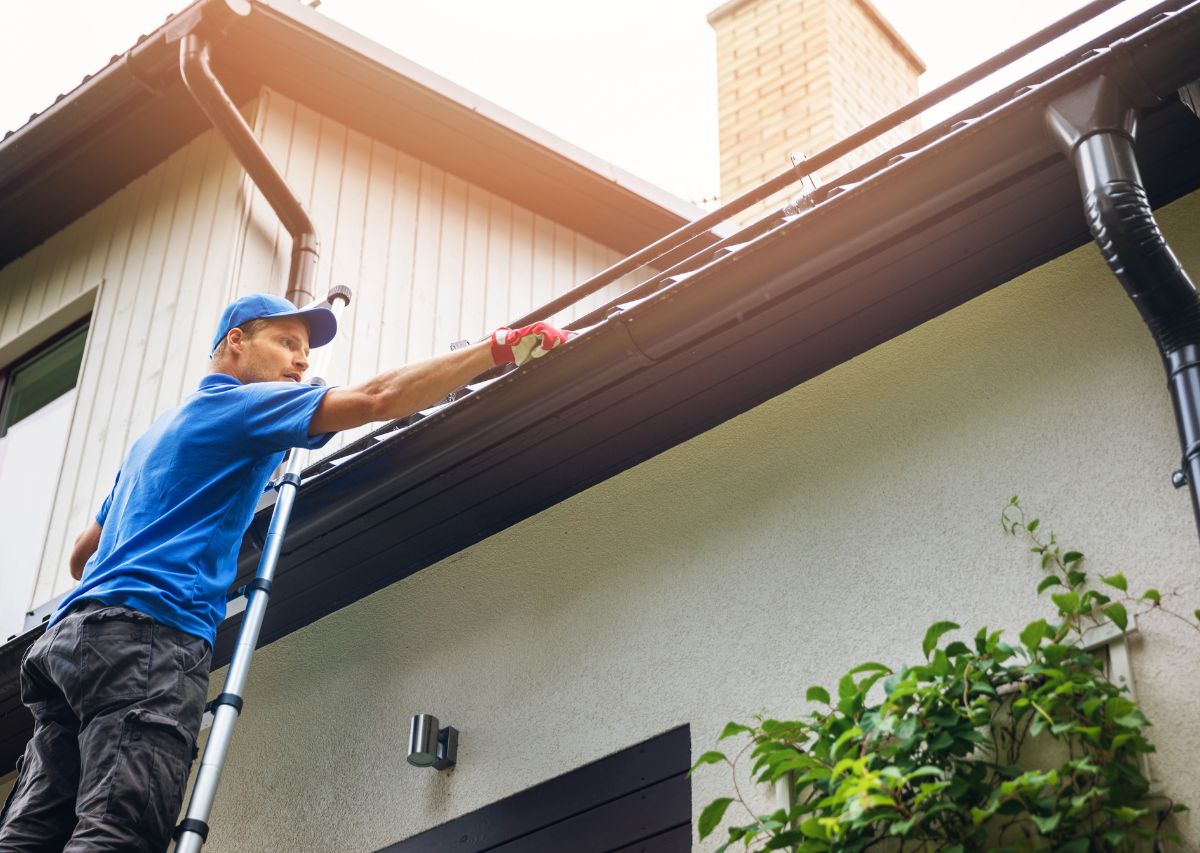
Drainage is not a one time project but an ongoing commitment to home health. Debris like leaves and twigs can quickly clog your gutters, preventing them from being able to drain water away from house roofs. Regular cleaning in the spring and fall is mandatory for every responsible homeowner.
You should also inspect your yard after a major storm to see where the water flows. If you notice new erosion patterns, you may need to adjust your landscaping to better drain water away from house zones. Keeping a close eye on these changes prevents small leaks from turning into major structural disasters.
Professional Tips for Water Management
- Clean your gutters at least twice a year to ensure a clear path for runoff.
- Use splash blocks at the end of downspouts to prevent soil erosion.
- Check your sump pump regularly to ensure it can move water out of the basin.
- Install rain barrels to collect roof runoff and reduce the load on your yard.
- Avoid planting large trees too close to the foundation to prevent root damage.
By following these simple guidelines, you can significantly reduce the risk of water damage. A proactive approach is always more affordable than reactive repairs. Learning how to drain water away from house boundaries is a skill that pays dividends in the form of a dry, healthy, and stable home environment.
The Role of Sump Pumps
In many regions, a sump pump is a required mechanical aid to help drain water away from house interiors. These pumps sit in a pit in the lowest part of the basement or crawlspace. When groundwater levels rise, the pump activates to move the liquid out through a dedicated discharge line.
It is vital to ensure the discharge line is long enough to drain water away from house foundations. If the pipe exits right next to the wall, the water will simply cycle back into the pit. This puts unnecessary strain on the motor and fails to provide the protection your home needs.
Managing 840 Gallons of Runoff
During a typical storm, a single inch of rain on a standard roof can produce over 840 gallons of water. Managing this volume requires a robust system designed to drain water away from house walls. Without wide gutters and clear exit paths, this volume of water can easily overwhelm your yard.
Calculations for drainage must account for the peak flow during heavy thunderstorms. If your pipes are too small, they will overflow, defeating the purpose of trying to drain water away from house structures. Sizing your drainage components correctly is a technical necessity for long term success and peace of mind.
Landscaping for Better Drainage
Strategic landscaping can also play a role in how you drain water away from house perimeters. Using rain gardens or bioswales can help absorb excess moisture while directing the overflow elsewhere. These features use specific plants and soil mixes to manage water naturally while enhancing the beauty of your property.
When designing your garden beds, ensure they do not trap water against the siding. Mulch and soil should never touch the wood or brick above the foundation line. A well designed landscape works in harmony with your gutters to drain water away from house footings effectively every single day.
Recognizing Drainage Failure
The signs of a failing drainage system are often subtle before they become catastrophic. You might notice a musty smell in the basement or see white, powdery efflorescence on the concrete walls. These are early warnings that you are failing to drain water away from house foundations correctly. Left untreated, high humidity in these areas can lead to a need for mold remediation to ensure air quality remains safe.
If you ignore these signs, you may eventually see bowed walls or significant cracks. Addressing the root cause by finding a better way to drain water away from house areas is the only permanent fix. Waiting too long only increases the complexity and cost of the inevitable repair & reconstruction work.
Reliable Solutions for Foundation Drainage Issues
Classic Disaster has earned a trusted heritage by helping families recover from unexpected home emergencies for decades. Our team provides water extraction, mold remediation, and deep structural drying for every client. We use advanced thermal imaging to find hidden leaks inside your foundation walls. Let our experts dry your home so you can finally go with the flow.
Frequently Asked Questions
To effectively drain water away from house footings, a downspout extension should carry water at least six to ten feet away from the foundation. This ensures the liquid reaches soil that slopes away from the structure, preventing it from seeping back toward your basement walls and causing damage.
A French drain is a highly effective way to drain water away from house basements by redirecting groundwater before it reaches the walls. It works by collecting water in a gravel filled trench and moving it through a pipe to a safer location. This system significantly reduces hydrostatic pressure on your home.
You can certainly fix minor grading issues yourself by adding compactable soil to low spots. The goal is to ensure the ground helps to drain water away from house walls naturally. For major grading projects involving heavy machinery or complex slopes, hiring a professional ensures the work meets local codes.
Water pooling near a porch often indicates that the surrounding soil has settled or that a gutter is overflowing. To drain water away from house entryways, you must identify the source of the runoff and ensure the ground is sloped correctly. Clearing debris from gutters is often the first step to take.
Since heavy rain often accompanies power outages, a backup battery is essential for any sump pump used to drain water away from house interiors. This ensures the pump continues to work even when the lights go out. A backup system provides vital protection against basement flooding during severe weather.