
When water intrudes into your home or commercial property, the clock begins ticking immediately.
Professional restorers use a specific classification system to determine the extent of the spread and the rate of evaporation required for a successful recovery. Understanding the various classes of water damage is essential for homeowners who want to communicate effectively with insurance adjusters and mitigation experts. This system helps prioritize the areas that need the most urgent attention to prevent long term structural failure through professional property restoration services.
Resolve your residential flooding issues quickly by calling 224-251-8444 to speak with a specialized mitigation expert about your situation.
The classification of a water event is determined by the type of materials affected and how much moisture they have absorbed. Whether the intrusion came from a broken pipe or a natural flood, the classes of water damage help dictate the amount of equipment needed for the drying process. Failing to correctly identify the class can lead to secondary issues like mold growth or permanent wood warping.
Defining Class 1 Water Damage
Class 1 is considered the least severe level of water intrusion. In this scenario, the moisture only affects a small portion of a room or involves materials with low porosity, such as high density plastics or sealed concrete. Because these materials do not soak up liquid easily, the evaporation rate remains relatively low and manageable for most.
Homeowners dealing with Class 1 often find that the water has not reached the walls or climbed up the drywall. This makes the restoration process much faster and less invasive than other scenarios. When you are dealing with this specific class, simple moisture extraction and minor air movement are often enough to return the space to a dry state.
Exploring Class 2 Water Damage
When an entire room is affected, including the carpeting and cushions, you are likely dealing with Class 2. This level involves a significant amount of water that has wicked into the walls at least twelve inches. The absorption rate is much higher here because materials like particle board and drywall act like a sponge for the liquid.
The restoration for Class 2 requires more aggressive dehumidification and a larger number of air movers. If the moisture level in the air exceeds 90 percent humidity, the risk of secondary damage to furniture and electronics increases significantly. Professionals must monitor the drying progress daily to ensure that the structural framing behind the walls is truly dry with help from experienced water damage remediation specialists.
The Challenges of Class 3 Water Damage
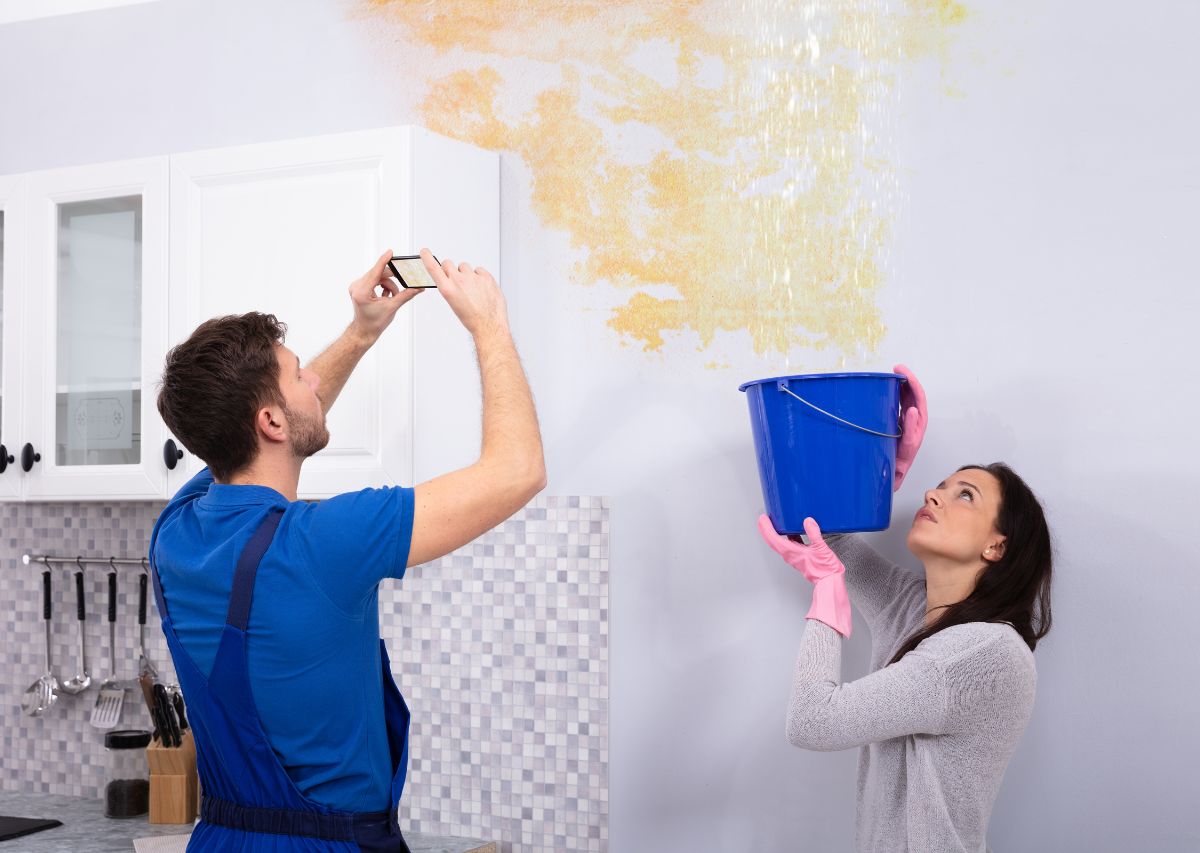
Class 3 represents the highest rate of evaporation and involves moisture coming from overhead. This often occurs when a pipe bursts on a second floor or a roof leak saturates the ceiling. In these cases, the water travels down the walls, saturating the insulation, the ceiling tiles, and the entire flooring system below.
Because the water has gravity on its side, it permeates every porous surface it touches. This situation requires a massive amount of specialized equipment to pull moisture out of the air and the building materials simultaneously. Without immediate intervention, the structural components of the ceiling can lose their integrity and pose a significant safety risk to the occupants.
Identifying Class 4 Specialty Drying
Class 4 is reserved for deep saturation in materials that are traditionally difficult to dry. This includes hardwood floors, plaster, brick, stone, and crawlspaces. These materials have very low porosity but can hold moisture deep within their cellular structure for long periods. Standard drying techniques are rarely effective for these specific types of building materials.
To address Class 4, restorers often use specialized drying trailers or injected air systems that force warm, dry air into the hidden cavities. This process is much slower and requires a high level of technical expertise to monitor. If you have expensive hardwood or historical masonry, identifying this class early is vital for saving the original materials.
How Porosity Affects Categorization
The porosity of a material is the main factor that determines which of the classes of water damage applies to your loss. Porous materials, like ceiling tiles and unfinished wood, have many tiny holes that allow water to enter easily. Non porous materials, such as metal or glass, do not allow any water penetration regardless of the length of exposure.
When a technician evaluates your property, they will use moisture meters to see how deep the water has traveled into these materials. This data allows them to map out the affected area and choose the right class. Knowing the porosity helps the team decide if a material can be dried in place or if it must be removed.
The Role of Evaporation in Restoration
Evaporation is the engine that drives the water restoration process. The goal of any mitigation project is to change the water from a liquid state into a vapor so it can be removed by a dehumidifier. The classes of water damage tell us how much energy is needed to facilitate this change across different surfaces in the home.
In high moisture scenarios where the humidity is near 90 percent, evaporation slows down because the air cannot hold any more vapor. This is why high capacity dehumidifiers are so important for Class 2 and Class 3 losses. By keeping the air dry, these machines allow moisture to continue moving out of the saturated building materials.
Potential Risks of Incorrect Classification
If a restoration company misidentifies the classes of water damage, the results can be devastating for the property owner. Using too few air movers on a Class 3 loss will result in trapped moisture that eventually leads to structural rot. Conversely, over drying certain materials like high end antiques can cause cracking and permanent damage to the finish.
An accurate assessment ensures that the drying plan is both effective and cost efficient. It also provides the necessary documentation for insurance claims, as adjusters need to know exactly why a certain level of equipment was utilized. A professional approach to classification protects the long term value of your real estate investment.
Monitoring Moisture Levels During Recovery
- Initial Mapping: Technicians use thermal imaging cameras to see water hidden behind walls without tearing them down immediately.
- Daily Readings: Moisture levels in the air and in the materials are recorded every twenty four hours to track the drying curve.
- Equipment Adjustments: As the materials dry, air movers may be repositioned to focus on the remaining pockets of stubborn moisture.
- Final Verification: The project is only considered complete when all materials have returned to their pre loss dry standard as measured by meters.
Standard Equipment Used for Different Classes
The tools used for a Class 1 loss are vastly different from those used for a Class 4 situation. For minor leaks, a few standard axial fans might be sufficient to move air across the floor. However, Class 2 losses usually require high grain refrigerant dehumidifiers that can pull massive amounts of water from the air daily.
For specialty Class 4 situations, technicians might use floor mat systems that create a vacuum over hardwood to pull moisture from the subfloor. These advanced tools are designed to save materials that would otherwise have to be demolished and replaced. Investing in the right technology is what allows professionals to handle complex water events successfully.
The Impact of Surface Area on Drying Time
The total surface area affected by the water significantly influences the classification and the total drying time. A small puddle on a tile floor has very little surface area for evaporation compared to a saturated carpet with a thick pad. When water spreads out, it creates more opportunities for the air to pick up moisture.
This is why technicians will often remove the baseboards or drill small holes in the bottom of the drywall. By increasing the airflow to the hidden back side of the wall, they increase the surface area available for drying. This proactive step helps move a project from a saturated state to a dry state much faster.
Structural Integrity and Water Saturation
Prolonged exposure to water can weaken the very bones of a building. Wood studs can swell and lose their load bearing capacity if they stay wet for too long. In Class 3 and Class 4 situations, the weight of the absorbed water can also put extra stress on floor joists and ceiling supports.
Restoring the structural integrity of the home is the ultimate goal of identifying the classes of water damage correctly. By removing the moisture quickly, we prevent the wood fibers from breaking down and losing their strength. This ensures that your home remains safe for your family to occupy once the restoration work is finished.
Preparing for a Professional Assessment
When you suspect water damage, there are a few things you can do before the professionals arrive. Safely stop the source of the water if possible, such as turning off the main water valve. Avoid walking on wet carpets, as this can force water deeper into the padding and complicate the drying process.
Take photos of the standing water and the affected belongings for your records. This visual evidence helps the mitigation team understand the initial severity of the intrusion. Once they arrive, they will use their professional tools to give you a definitive answer on the class and category of the damage.
The Relationship Between Class and Category
While the class refers to the rate of evaporation and the materials affected, the category refers to the cleanliness of the water. Category 1 is clean water, while Category 3 is highly contaminated water, such as sewage. A project could be a Class 2 Category 3 event, which requires both heavy drying and intense sanitization.
Combining these two systems allows restorers to create a comprehensive safety and drying plan. For example, if a space has a humidity level of 90 percent and is contaminated, technicians must wear full protective gear while operating their dehumidifiers. This dual approach ensures the health of the occupants and the workers.
Understanding Insurance Coverage for Water Loss
Most homeowners insurance policies cover water damage that is sudden and accidental. When you file a claim, the adjuster will look at the documentation provided by the restoration company regarding the classes of water damage. This data justifies the costs associated with the professional drying equipment and labor.
Keeping detailed records of the moisture readings and the classification is essential for a smooth claims process. If you can show that the loss was a Class 3 event, the insurance company is much more likely to approve the necessary budget for high end dehumidification and structural drying.
Conclusion of the Water Classification Guide
Navigating the aftermath of a water intrusion is stressful, but having a clear understanding of the classes of water damage provides a roadmap for recovery. From the minor issues of Class 1 to the complex specialty drying of Class 4, each situation requires a specific and calculated response to protect the property.
By working with professionals who prioritize accurate classification, you can ensure that your home is dried thoroughly and safely. This prevents the long term headaches of mold, rot, and structural instability. Stay vigilant, act fast, and always rely on data driven drying techniques to restore your peace of mind and your home with trusted tragedy clean up services.
Professional Mitigation for All Classes of Water Damage
Classic Disaster has built a heritage of excellence by serving our local community with integrity. We offer full water mitigation, mold remediation, and complete structural reconstruction to bring your home back to life. Our unique approach combines high tech moisture tracking with personalized care to ensure no hidden dampness remains behind.
Contact: info@classicdisaster.com | 224-251-8444
Frequently Asked Questions
There are four primary classes of water damage used to describe the evaporation rate and saturation levels. Class 1 is the easiest to dry with low moisture, while Class 4 involves deep saturation in non porous materials like stone or hardwood that requires specialty equipment to restore safely.
When the relative humidity in a room reaches 90 percent or higher, the air becomes saturated and cannot easily absorb more moisture from wet materials. This stalls the evaporation process and increases the risk of mold. Professional dehumidifiers are essential to lower humidity and speed up drying.
Class 4 damage often involves materials like hardwood or plaster that are very difficult to dry. However, with specialty equipment like injected dry air or vacuum mats, these materials can frequently be saved. It takes a longer time and precise monitoring to ensure the moisture is gone completely.
Class 3 is high risk because the water often comes from above, saturating ceilings and entire wall assemblies. This gravity fed intrusion can weaken the structural supports of your home and cause ceilings to collapse if not treated immediately. It requires the most aggressive drying tactics available.
Drying a Class 2 water loss typically takes between three to five days depending on the materials involved. Since the water has wicked into the walls and saturated the carpets, the dehumidifiers must work constantly to remove the moisture. Daily monitoring ensures the project stays on the right track.