
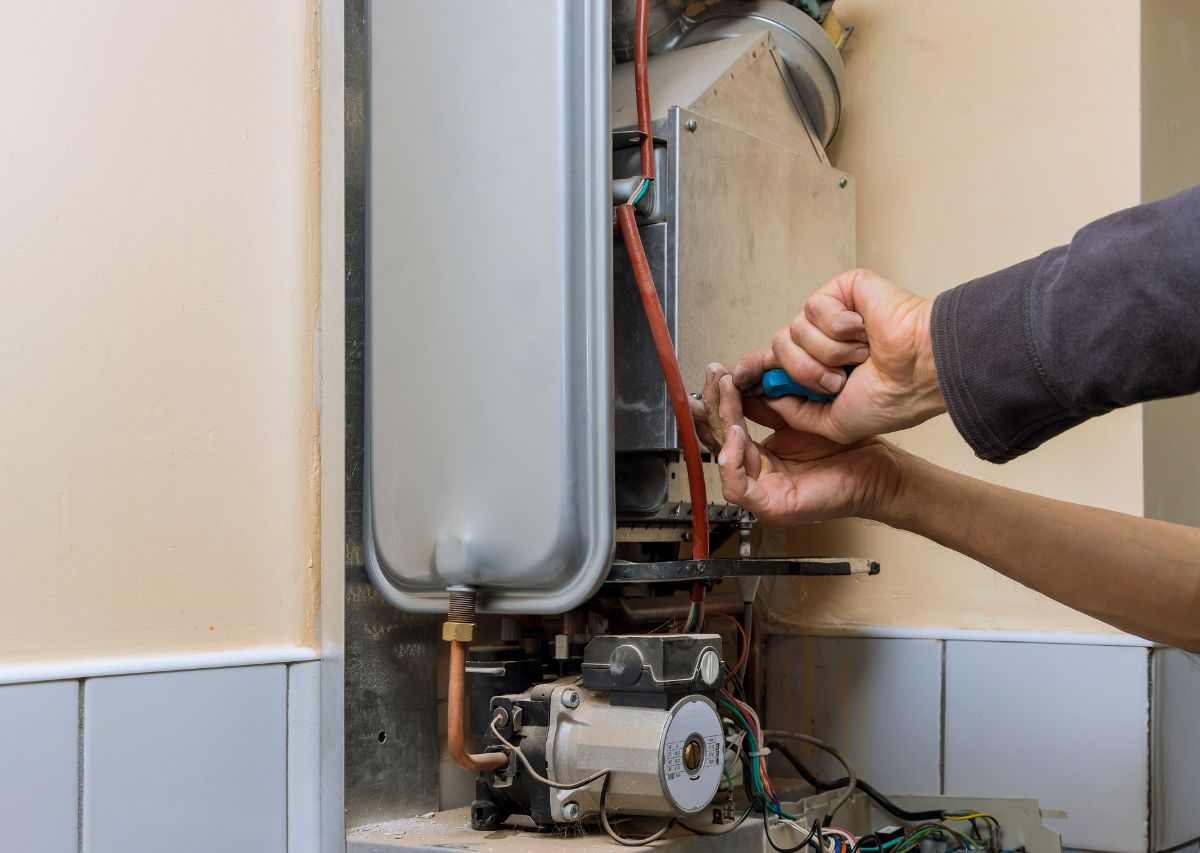
A malfunctioning appliance can quickly turn a quiet evening into a frantic emergency, especially when it involves a major plumbing failure. Knowing exactly what to do when water heater breaks is the first step in mitigating potentially thousands of dollars in structural damage. When the internal tank fails or a connection snaps, pressurized water can flood a basement or utility closet in minutes. Understanding the mechanical components of your system allows you to take control of the situation and seek professional water damage remediation before the rising water compromises your flooring and drywall.
Stop the flow and protect your home by calling 224-251-8444 to coordinate an immediate professional response for water heater flood cleanup.
Once the initial shock passes, you must focus on safety and containment. A broken water heater can release hundreds of gallons of hot liquid, creating a burn risk and an electrical hazard. If you are unsure about what to do when water heater breaks, the most important rule is to avoid standing in water while touching electrical components. Taking the right precautions now will ensure that the cleanup process is manageable and that your insurance claim remains strong throughout the restoration journey.
Immediate Safety and Power Disconnection
The very first action in your plan for what to do when water heater breaks must be to disconnect the power supply. For electric models, locate your home’s circuit breaker panel and switch off the dedicated breaker for the unit. This prevents the heating elements from burning out or creating a dangerous electrical short in the standing water.
If you have a gas unit, turn the control dial to the pilot or off position to prevent gas from flowing while the unit is empty. If you smell gas at any point during the failure, evacuate the home immediately and call for help from a safe distance. Ensuring that the energy source is neutralized is a fundamental safety requirement.
Stopping the Water Supply at the Source
After securing the power, you must stop the flow of water into the tank. Look for the cold water intake pipe, which is typically located at the top of the unit. There should be a gate valve or a ball valve that you can turn clockwise to cut off the incoming pressure and stop the leak.
If the valve on the tank is stuck or corroded, you may need to shut off the main water valve for the entire house. Stopping the inflow is the only way to prevent a continuous flood from overwhelming your basement or utility room. This step is a critical part of what to do when water heater breaks.
Draining the Remaining Tank Contents
Even after the supply is off, the tank may still contain up to 44 gallons of water or more, depending on its size. To prevent this volume from leaking onto your floor, attach a standard garden hose to the drain valve located at the bottom of the unit. Run the hose to a floor drain or outside.
Open a hot water faucet elsewhere in the house to break the vacuum and allow the tank to drain more quickly. Be extremely cautious, as the water exiting the hose may still be scalding hot. Draining the tank manually is a proactive way to manage the mess and prepare the unit for professional removal.
Assessing the Extent of Water Damage
Once the unit is stabilized, you must evaluate how far the water has traveled into your home. Water can quickly wick into baseboards, carpeting, and the bottom of drywall, leading to mold growth within forty eight hours. Use a flashlight to check behind the unit and in adjacent rooms for any signs of hidden moisture.
If the water reached finished areas of your home, you will need professional drying equipment. Standard fans are rarely enough to pull moisture out of wall cavities or carpet padding. Identifying the full scope of the intrusion is a key part of what to do when water heater breaks and protects your structural integrity.
Contacting Professional Mitigation Experts
Dealing with a large volume of water requires industrial tools and technical expertise. Professional restorers use high capacity extractors to remove liquid from flooring and advanced dehumidifiers to stabilize the humidity in the air. These experts can find moisture hidden deep within the building materials that a homeowner might miss.
Having a team on site quickly reduces the risk of long term issues like wood rot or permanent odors. They will provide a documented drying plan that satisfies insurance requirements and ensures your home returns to a safe, dry state. Securing comprehensive property restoration services is the most reliable answer to what to do when water heater breaks.
Managing the Insurance Claims Process
Documenting the scene is vital for a successful insurance claim after a major appliance failure. Take clear photographs of the broken unit, the source of the leak, and all affected personal property. Keep the broken parts or the entire unit if possible, as adjusters may need to inspect the failure to determine coverage.
Review your policy to see if you have coverage for water backup or accidental discharge. Most standard homeowners policies cover sudden and accidental water damage, but the specifics can vary based on the age of the unit. Clear documentation is your best tool for receiving a fair settlement from your insurance provider.
Preventing Future Water Heater Failures
- Anode Rod Inspection: Check the sacrificial anode rod every few years to prevent the internal tank from corroding and eventually leaking.
- Flushing the Tank: Regularly drain a few gallons of water to remove sediment buildup that can cause the bottom of the tank to overheat and fail.
- Pressure Relief Valve: Test the temperature and pressure relief valve annually to ensure it can release excess pressure before the tank ruptures.
- Expansion Tank Installation: Consider adding a thermal expansion tank to absorb pressure spikes and prolong the life of your plumbing system.
Choosing a Replacement Unit
When deciding on a new unit, consider upgrading to a tankless model or a high efficiency heat pump water heater. These modern systems often come with built in leak detection sensors that automatically shut off the water if a failure occurs. This added layer of protection can prevent a repeat of your current situation.
Look for units with longer warranties and stainless steel tanks, which are more resistant to the corrosive effects of hard water. Investing in a high quality replacement ensures that you will not have to worry about what to do when water heater breaks for another decade or more. Modern units offer better performance and peace of mind.
The Role of Leak Detection Systems
Many homeowners are now installing smart leak detectors near their major appliances. These sensors can send an alert to your phone the moment moisture is detected on the floor. Some systems are even integrated with an automatic shutoff valve that cuts the main water line during a detected emergency.
This technology is a game changer for preventing catastrophic floods while you are away from home. If you had a sensor in place, your plan for what to do when water heater breaks would have been initiated automatically. It is a worthwhile investment for any home with a basement or second floor utility room.
Structural Drying and Sanitization
After the water is extracted, the affected area must be thoroughly sanitized to prevent bacterial growth. Water that has sat on a floor for several hours can quickly become a breeding ground for microorganisms. Professionals use antimicrobial treatments that are safe for your family but lethal to mold and bacteria.
Deep structural drying involves monitoring the moisture levels in the studs and subfloor over several days. The goal is to reach the pre loss dry standard before any reconstruction begins. This scientific approach to restoration is what prevents future issues with air quality and structural stability in your home.
Handling Finished Basement Flooring
If your water heater failed in a finished basement, your flooring is at high risk. Carpet padding acts like a sponge and often must be replaced, even if the carpet itself can be saved. Hardwood floors may require specialized drying mats to pull moisture out of the wood fibers and prevent cupping.
Technicians will evaluate if the flooring can be restored or if it is more cost effective to replace it. Making this determination early saves time and money during the reconstruction phase. Your restoration team will guide you through the best options for your specific types of flooring and the extent of the saturation.
Understanding the Life Expectancy of Units
Most traditional tank water heaters are designed to last between eight and twelve years. If your unit is approaching this age range, you should be extra vigilant for signs of trouble, such as rusty water or popping noises. Being aware of the age of your appliance helps you anticipate a potential failure.
Replacing an old unit before it breaks is the best way to avoid a flood entirely. If you wait until the tank ruptures, you are dealing with both a plumbing replacement and a major restoration project. Proactive replacement is a smart financial move that protects your property and your daily comfort.
Common Signs of an Imminent Break
Before a catastrophic rupture occurs, there are often subtle warning signs. Small puddles around the base of the tank or moisture on the top of the unit suggest that a seal or the tank itself is beginning to fail. Do not ignore these minor leaks, as they can turn into major floods without warning.
Changes in water temperature or a decrease in the total volume of hot water can also indicate internal problems. If your unit is making loud knocking sounds, it is likely struggling with heavy sediment buildup. Paying attention to these signals allows you to resolve the issue before you are forced to figure out what to do when water heater breaks.
The Importance of Professional Installation
When you install your replacement unit, ensure it is done by a licensed professional. Improper installation can lead to gas leaks, electrical shorts, or premature tank failure. A pro will ensure the unit is level, properly vented, and equipped with a drain pan to catch minor drips in the future.
A professional install also ensures that your new unit meets all local building codes and safety standards. Many jurisdictions require a permit for water heater replacement, and a licensed contractor will handle the necessary inspections. Quality installation is the final step in moving past your water damage emergency.
Final Summary of Emergency Actions
When the unthinkable happens and you are faced with a flood, remember to stay calm and follow the sequence of power, water, and drainage. By neutralizing the energy source and stopping the inflow, you limit the damage to your home. Acting quickly to remove the water and dry the structure is the key to recovery.
Your home is your most valuable asset, and protecting it from water damage requires quick thinking and reliable partners. Now that you know what to do when water heater breaks, you can face the situation with confidence. Stay prepared, maintain your appliances, and always prioritize safety in every residential emergency.
Rapid Recovery Solutions for Your Home Water Damage
Classic Disaster has built a heritage of trust by delivering elite restoration and tragedy clean up services to our community for years. We offer comprehensive water extraction, advanced structural drying, and full sanitization for every affected room in your home. Our team uses precision moisture mapping to ensure your property is restored to a safe, dry state. We turn your water disaster into a distant memory with ease.
Contact: info@classicdisaster.com | 224-251-8444
Frequently Asked Questions
You must immediately turn off the power supply at the circuit breaker for electric units or the gas valve for gas models. Once the energy source is safe, shut off the cold water intake valve on top of the tank to stop more water from entering. This is the core of what to do when water heater breaks.
Connect a garden hose to the drain valve at the bottom of the unit and run it to a floor drain or outside. Open a hot water faucet upstairs to allow air in and speed up the flow. Be very careful as the water may be hot enough to cause burns. Draining the 44 gallon tank prevents a larger flood.
Yes, if an electric water heater leaks onto its own electrical components or the surrounding wiring, it can cause a short circuit and spark a fire. This is why turning off the breaker is the most critical safety step. Always prioritize electrical safety when you are learning what to do when water heater breaks.
If the internal tank itself is leaking due to corrosion, it generally cannot be repaired and must be replaced. Minor leaks from valves or connections can often be fixed by a plumber. However, if the main tank has failed, the only solution is a full replacement to prevent future residential flooding.
To prevent mold you must extract all standing water and use professional dehumidifiers to lower the humidity in the area. Standard fans are usually not enough to dry the subfloor and wall cavities. Keeping the humidity below fifty percent is the best way to stop mold from growing after a major leak.