
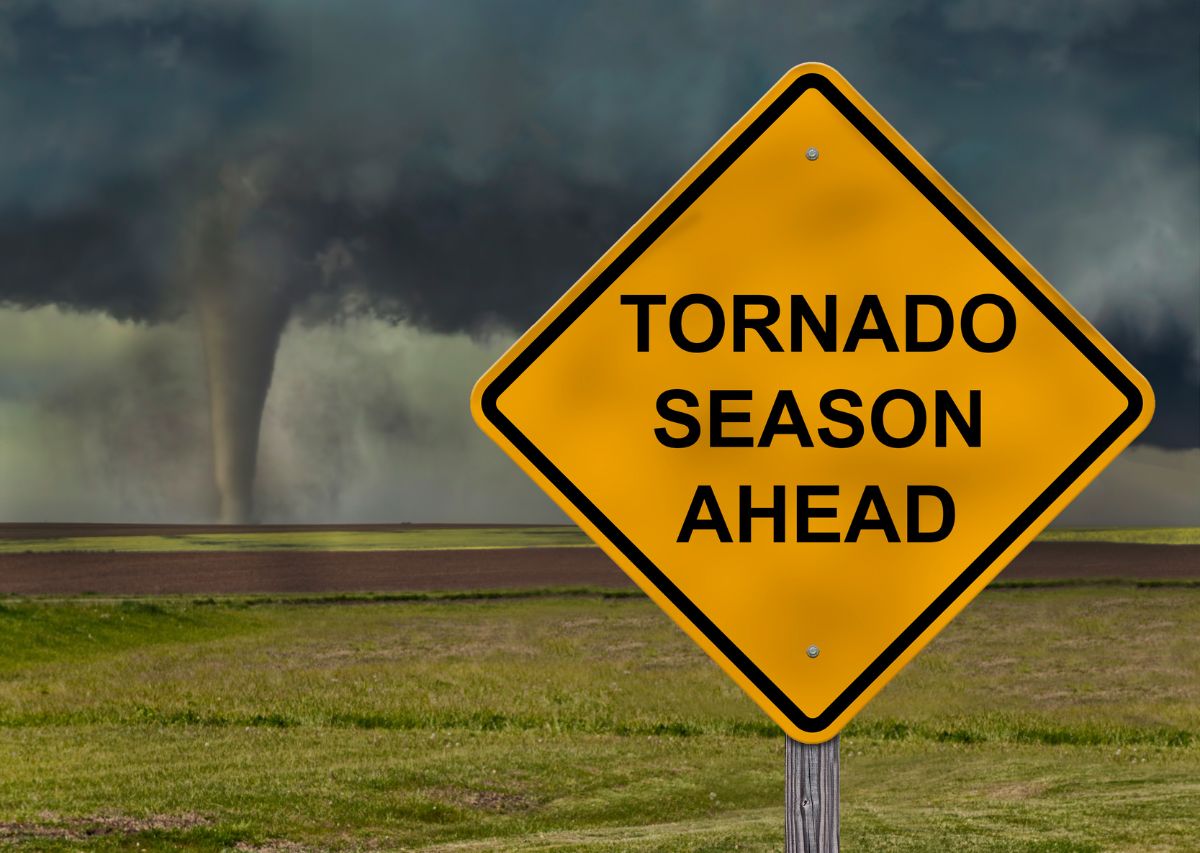
When severe weather strikes, every second counts for your survival and the protection of your property. Understanding exactly what are the warning signs of a tornado can mean the difference between safety and catastrophe during a high intensity storm. Nature often provides specific atmospheric signals that indicate a funnel cloud is forming nearby.
Protect your household from severe storm damage by calling 224-251-8444 to discuss emergency preparedness and property restoration solutions now.
Modern meteorology has advanced significantly, but personal observation remains a vital tool for early detection. While radar technology monitors the skies from a distance, being able to recognize what are the warning signs of a tornado in your immediate environment allows you to take shelter before a formal siren even sounds.
The Visual Appearance of the Sky
One of the most striking environmental indicators is a sudden and dramatic change in the color of the sky. Many survivors report that the clouds take on a distinct greenish or sickly yellow hue just before a twister develops. This phenomenon occurs when sunlight is scattered by heavy moisture and large hailstones within the storm.
Low hanging clouds that exhibit a rotating motion are also a major red flag. If you see a cloud base that appears to be spinning or dipping toward the ground, you are witnessing the early stages of a funnel. This visual cue is a primary answer to what are the warning signs of a tornado.
Auditory Cues and the Freight Train Sound
Beyond what you can see, what you hear is equally important for disaster detection. A common description from those who have experienced a direct hit is a loud, continuous roar that sounds like a nearby freight train. This noise is created by the intense wind speeds and the debris being lofted.
Unlike a standard clap of thunder which fades away quickly, this roar persists and grows in intensity as the storm approaches. If you hear a low frequency vibration or a deafening rumble that does not stop, you must seek cover immediately. This auditory signal is a definitive warning that extreme danger is imminent.
Debris and Atmospheric Pressure Changes
A sudden drop in atmospheric pressure can cause physical sensations in humans and animals alike. You might feel your ears pop or notice that the air suddenly becomes incredibly still and calm after a period of heavy wind. This eerie calm often precedes the arrival of the actual tornado vortex.
Watching for flying debris is also crucial, especially at night when the funnel itself might be invisible. If you see objects being lifted or swirling in the air without a visible funnel, a tornado is likely nearby. Small objects moving in circular patterns are clear indicators of a developing wind event.
Hail and Intense Precipitation Patterns
Large hail is frequently a precursor to a tornado because the same powerful updrafts that create hail also fuel funnel development. If you experience hailstones larger than one inch, or roughly 1500 millimeters in cumulative volume across your yard, the storm possesses the energy required to produce a significant and dangerous tornado.
Often, the heaviest rain will suddenly stop, followed by a barrage of large hail. This sequence suggests that the core of the storm is passing over you and the rotation may be located on the trailing edge. Recognizing this pattern helps you understand what are the warning signs of a tornado.
Technological Alerts and Professional Monitoring
While physical signs are vital, electronic alerts provide an additional layer of security for your family. A weather radio can provide updates even if the power goes out or cell towers are damaged. These devices are designed to wake you up in the middle of the night if a threat emerges.
Local news stations and emergency management agencies provide real time tracking of storm cells. When they mention hook echoes on radar, it indicates that a storm is rotating. Combining these technological reports with your knowledge of what are the warning signs of a tornado creates a comprehensive safety plan.
The Behavior of Local Wildlife
Animals often detect shifts in barometric pressure and infrasound long before humans perceive a threat. If you notice birds suddenly going silent or domestic pets acting in an unusually anxious or fearful manner, pay close attention to the sky. Their instincts are finely tuned to detect the vibration of a storm.
Livestock may huddle together or attempt to find low ground in response to the approaching wind. While animal behavior is not a standalone scientific metric, it serves as a helpful secondary cue. When used alongside meteorological data, it reinforces your understanding of what are the warning signs of a tornado.
Identifying Wall Clouds and Funnels
A wall cloud is a localized persistent lowering from the base of a thunderstorm. It is often located in the southwest part of a storm and can be several miles in diameter. If this wall cloud begins to rotate, it is a very strong indicator that a tornado is about to form.
A funnel cloud is the actual rotating column of air that has not yet touched the ground. Once it makes contact with the earth or causes debris to swirl at the surface, it is officially a tornado. Spotting these formations early is the most direct way to answer what are the warning signs of a tornado.
Nighttime Tornado Identification
Detecting a tornado at night is exceptionally difficult and requires looking for flashes of light on the horizon. These flashes are usually not lightning, but power lines snapping or transformers exploding as the funnel moves through a neighborhood. These blue or green bursts are clear signs of a ground level impact.
You can also look for silhouettes against frequent lightning strikes. If a dark, vertical mass blocks the light of the lightning, you are looking at a funnel. Nighttime awareness is a critical component of knowing what are the warning signs of a tornado when visibility is at its absolute lowest.
The Importance of a Pre-Planned Shelter
Once you recognize what are the warning signs of a tornado, you must have a place to go. An interior room on the lowest floor, such as a basement or a windowless bathroom, offers the best protection. Keep heavy blankets or helmets in this area to protect yourself from falling debris.
Ensure that everyone in your household knows the location of the safe room and how to get there quickly. Practice drills can reduce panic when a real emergency occurs. Being prepared allows you to act decisively the moment you identify the atmospheric signals discussed in this comprehensive guide.
Managing the Aftermath of a Storm
If a tornado does strike, the danger does not end when the wind stops. Downed power lines, gas leaks, and unstable structures pose significant risks to survivors. It is important to wait for an all clear signal from local authorities before leaving your designated safe area or shelter.
Check your property for structural damage but do not attempt to make major repairs yourself during a storm. Document any damage for insurance purposes once it is safe to do so. Understanding what are the warning signs of a tornado helps you survive the event so you can manage the recovery phase.
Long Term Preparedness Strategies
Building a disaster kit is a fundamental part of long term safety. This kit should include water, non perishable food, a flashlight, and a first aid kit. Consider the needs of your pets and elderly family members when stocking your supplies for a potential multi day power outage.
Review your insurance policy annually to ensure you have adequate coverage for wind and storm damage. Knowledge is your best defense, but physical preparation provides the tools you need to survive. Staying informed about what are the warning signs of a tornado is a lifelong commitment to your family.
Community Awareness and Education
Sharing your knowledge with neighbors can help create a more resilient community. Many people are unaware of the visual and auditory cues that precede a twister. By teaching others what are the warning signs of a tornado, you help increase the collective safety of your entire local neighborhood.
Local workshops or community meetings are great places to discuss emergency routes and communication plans. When everyone is on the same page, the response to a weather emergency is much more efficient. Together, we can reduce the impact of these powerful natural events through education and vigilance.
Conclusion and Final Reminders
Recognizing what are the warning signs of a tornado is an essential life skill for anyone living in storm prone regions. From the color of the sky to the roar of the wind, nature provides ample warning if you know how to interpret the signals. Stay alert, stay informed, and always prioritize your safety.
As weather patterns continue to shift, being proactive is more important than ever. Use the information in this guide to protect your loved ones and your property. A little bit of knowledge and a solid plan can make all the difference when the clouds begin to rotate and the sirens start to wail.
Reliable Disaster Recovery Solutions for Your Local Home
Classic Disaster stands on a foundation of excellence and local trust within our community. We provide comprehensive water mitigation, fire restoration, and expert storm damage repairs to restore your peace of mind. Our team utilizes advanced technology to ensure your property is safe and sound. We bridge the gap between chaos and comfort through professional disaster recovery solutions.
Contact: info@classicdisaster.com | 224-251-8444
Frequently Asked Questions
A sky that turns a dark green or yellowish green is a significant indicator of a severe storm capable of producing a tornado. This color change happens when sunlight reflects off heavy clouds and large hail. It is a key visual cue for anyone asking what are the warning signs of a tornado today.
While many people describe the sound of a tornado as a freight train, it can also sound like a continuous low rumble or a loud whistling noise. This sound is caused by the intense wind and debris. If you hear a persistent roar that does not stop like thunder, you must take shelter immediately.
Tornadoes can often be rain wrapped, meaning they are hidden behind a curtain of heavy precipitation and are nearly invisible. In these cases, you might not see the funnel until it is right on top of you. Relying on auditory cues and pressure changes is vital when rain obscures your field of vision.
A tornado watch means that weather conditions are favorable for a tornado to develop in your area soon. A tornado warning means that a tornado has actually been sighted or indicated by weather radar. When a warning is issued, you must act on your knowledge of what are the warning signs of a tornado.
Large hail often precedes a tornado as the storm updrafts are incredibly strong. If you see stones totaling 1500 millimeters in a small area or larger than golf balls, a twister could be near. This heavy falling ice is a major atmospheric signal that the storm has reached a dangerous level.