
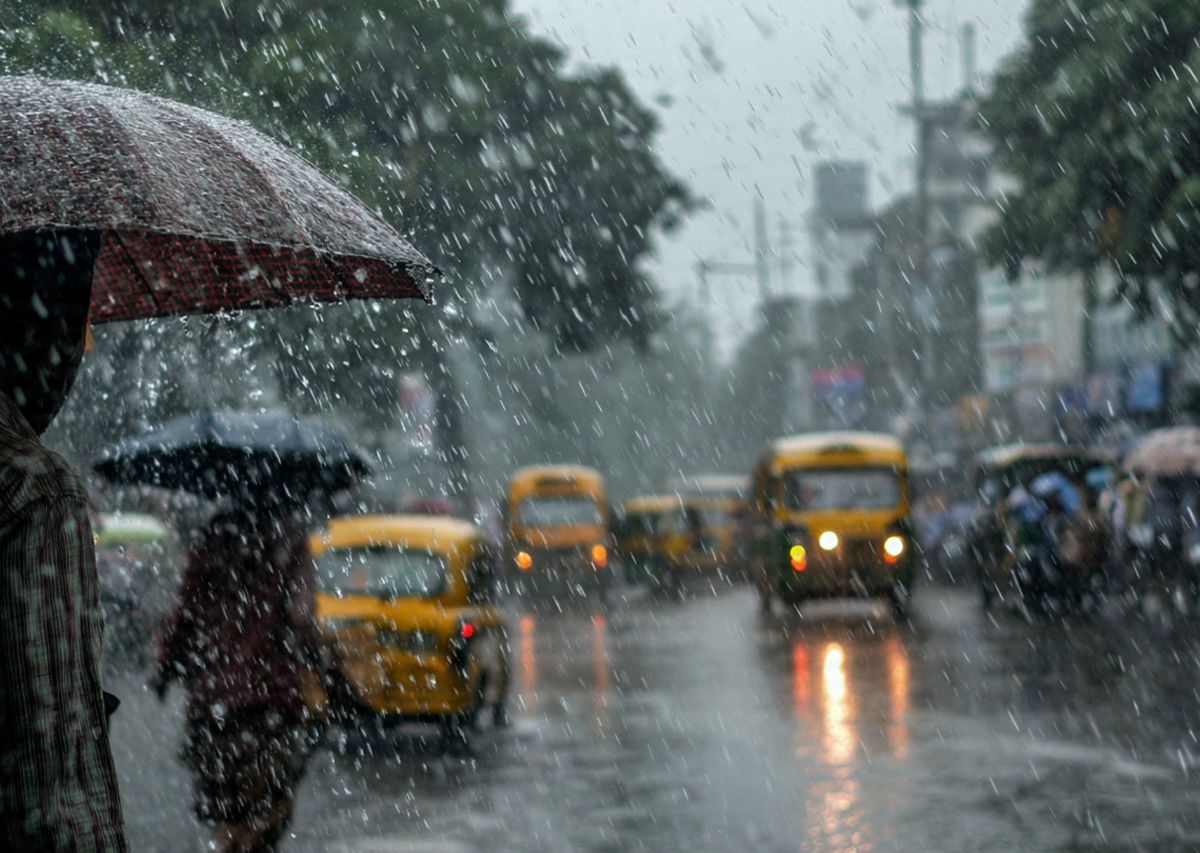
When studying global weather patterns, many people ask what are the causes of monsoons to better understand the powerful seasonal shifts they experience. These massive weather systems are characterized by a significant change in the direction of the prevailing winds of a region. This shift brings about a dramatic change in precipitation levels and local temperatures.
The Fundamental Physics of Seasonal Winds
To understand what are the causes of monsoons, we must look at the way the sun heats different surfaces of the earth. Land masses heat up much faster than the surrounding ocean waters during the summer months. This temperature disparity creates a significant difference in air pressure between the dry land and the deep sea.
As the air above the hot land rises, it creates a low pressure zone that acts like a vacuum. The cooler, moisture laden air over the ocean then rushes in to fill this empty space. This movement of air carries vast amounts of water vapor that eventually falls as heavy rain across the continent.
This process is a giant version of a standard sea breeze that you might experience at a beach during the afternoon. However, the scale of a monsoon is continental, affecting millions of people and vast ecosystems. Recognizing these pressure shifts is the key to understanding what are the causes of monsoons worldwide.
The Role of Atmospheric Pressure Systems
Atmospheric pressure plays a vital role when we examine what are the causes of monsoons and their intensity. During the winter, the process reverses as the land cools down more rapidly than the ocean. High pressure builds up over the land, forcing dry air out toward the sea in a seasonal cycle.
This reversal is why many regions experience a distinct dry season followed by a very wet season. The transition between these two states can be abrupt and is often marked by a change in humidity and cloud cover. Meteorologists track these pressure gradients to predict the exact timing of the monsoon onset each year.
The Coriolis effect, which is the result of the rotation of the earth, also influences the path of these winds. It causes the wind to curve rather than moving in a straight line from high to low pressure zones. This geometric complexity is a fascinating part of what are the causes of monsoons in the tropics.
Ocean Temperatures and Thermal Inertia
The specific heat capacity of water is a major factor in what are the causes of monsoons and their duration. Because the ocean has high thermal inertia, it takes a long time to warm up and a long time to cool down. This lag creates the persistent temperature difference necessary for the monsoon to stay active.
Warm ocean currents can amplify the amount of moisture the air can hold before it reaches the land. When the sea surface temperatures are particularly high, the resulting monsoon rains can be exceptionally heavy and potentially destructive. This link between sea and sky is a cornerstone of modern climatology and weather forecasting.
Geographical Factors Influencing Rain Patterns
- Mountain Ranges: Large mountain ranges can force moist air to rise rapidly, cooling it down and causing it to release water as rain on the windward side.
- Landmass Size: The size of a continent determines how much heat it can absorb, which directly impacts the strength of the low pressure vacuum created.
- Equatorial Proximity: Proximity to the equator ensures that there is enough solar radiation to drive the thermal engine required for these massive wind shifts.
- Plateaus: The presence of plateaus acts as an elevated heat source that pulls moisture further inland than it would otherwise go.
- Coastal Geometry: Coastal shape and orientation can funnel winds into specific valleys, creating localized areas of extreme precipitation during the peak of the season.
- Albedo Effect: Vegetation cover on the land can influence how much solar energy is reflected or absorbed, subtly altering the local temperature and pressure.
The Impact of Global Climate Change
Modern scientists are currently researching how a warming planet affects what are the causes of monsoons and their predictability. As global temperatures rise, the land and the ocean are heating at different rates than they have in the past. This can lead to more erratic and intense weather patterns across the globe.
A warmer atmosphere can hold more moisture, which means that when the rains do come, they are often much heavier. This increases the risk of flash flooding and landslides in regions that are already vulnerable to high rainfall. Changes in ocean currents also play a role in shifting the traditional paths of these seasonal winds.
Seasonal Transitions and the Intertropical Convergence Zone
The Intertropical Convergence Zone is a belt of low pressure that circles the earth near the equator. This zone moves north and south throughout the year following the seasonal position of the sun. Its movement is another primary answer to what are the causes of monsoons in many countries.
When this zone shifts over a specific region, it brings together trade winds from the northern and southern hemispheres. This convergence leads to the formation of towering clouds and the frequent, heavy rainfall associated with the wet season. The migration of this zone is a predictable but powerful force in global meteorology.
Moisture Transport and Condensation
The journey of water from the ocean to the land is a complex part of what are the causes of monsoons and their lifecycle. Evaporation from the sea surface turns liquid water into a gas that is carried by the prevailing winds. As this air moves over rising land, it begins to cool down significantly.
When the air cools to its dew point, the water vapor condenses into liquid droplets, forming clouds. This release of latent heat further fuels the upward movement of the air, creating a self sustaining weather system. This cycle continues as long as there is a supply of warm, moist air from the sea.
Comparing Summer and Winter Monsoons
Most people think of rain when they hear the word monsoon, but the term actually refers to the wind. The summer monsoon is the wet phase, characterized by onshore winds and heavy precipitation. This is the time when the land is significantly hotter than the surrounding ocean waters.
In contrast, the winter monsoon is the dry phase, where the winds blow from the land out toward the sea. This brings clear skies and cooler temperatures to many tropical regions. While it is less famous than the wet phase, the dry phase is just as important for the local climate.
Atmospheric Humidity and Local Weather
Humidity levels are a direct reflection of what are the causes of monsoons and the proximity to the moisture source. During the wet season, the relative humidity can consistently stay above eighty percent for several weeks. This makes the air feel much hotter than the actual temperature recorded on a thermometer.
High humidity also prevents sweat from evaporating, which can lead to heat exhaustion if people are not careful. When the monsoon winds shift, the humidity drops rapidly, providing a welcome relief from the stifling summer heat. This change in comfort levels is one of the most noticeable aspects of the seasonal transition.
Managing Environmental Risks During the Season
Living with the reality of heavy rain requires a deep understanding of what are the causes of monsoons and their local effects. Property owners must ensure that their drainage systems are clear and that their roofs are in good condition. Heavy rainfall can quickly reveal small leaks that would otherwise go unnoticed during the dry season.
Soil saturation is another concern, as it can lead to foundation issues or the failure of retaining walls on sloped properties. Regular maintenance and proper grading are the best defenses against the water related damage that can occur. Being proactive before the season starts is always the most effective strategy for any homeowner.
Preparing Your Property for Weather Extremes
Large scale weather events can test the limits of even the most well built residential and commercial structures. Protecting your property from moisture and wind is a full time job during the peak of the rainy months. Ensuring that your building is sealed and that the surrounding land is properly managed can prevent costly repairs.
If your property covers a large area, perhaps reaching 590 square feet or more of drainage surface, you must be extra vigilant. Water needs a clear path to exit your land without causing erosion or pooling near the foundation of your home. A professional inspection can help identify any weak points in your current defense strategy.
When you understand what are the causes of monsoons, you realize that the power of nature is unavoidable. However, with the right information and professional support, you can mitigate the risks and protect your investment. Stay informed, stay prepared, and respect the incredible seasonal cycles that govern our natural world.
Recovering From Weather Related Damage
When the power of nature exceeds our preparations, the road to recovery can feel long and overwhelming. Dealing with the aftermath of heavy rains or wind requires a steady hand and an expert understanding of property restoration. We focus on bringing stability back to your environment after the clouds have finally cleared.
Our team understands that structural integrity is the top priority following a significant weather event. We provide comprehensive assessments to identify hidden water damage that can lead to long term issues like mold or rot. By addressing these problems early, we help you maintain a safe and healthy environment for your family.
The transition from the wet season to the dry season is the perfect time to evaluate the health of your home. Look for signs of moisture intrusion in basements or attics where humidity tends to collect. Taking care of your property today ensures that you are ready for whatever the next seasonal shift brings.
Protect Your Property From Seasonal Weather Impacts
Understanding atmospheric patterns is essential for maintaining a safe and resilient home environment throughout the year. If you are concerned about the effects of heavy rain or moisture on your building, our specialized team is ready to provide expert guidance and environmental restoration support. We prioritize your property’s long term health with technical precision and care.
For professional assistance with property damage or environmental restoration, reach out to Classic Disaster at 224-251-8444. You can also contact us via email at info@classicdisaster.com to discuss how we can help you secure your property. Our team is dedicated to providing the reliable support you need to weather any storm with complete confidence.
Frequently Asked Questions
The main answers to what are the causes of monsoons are the temperature differences between land and sea and atmospheric pressure shifts. Land heats faster than the ocean, creating low pressure zones that pull in moist air during the summer. This thermal engine drives the entire seasonal rain cycle.
Geography is a major factor in what are the causes of monsoons and their intensity. High mountain ranges like the Himalayas can trap moisture and force air to rise, leading to extreme rainfall. The size of the continental landmass also determines how much solar heat is absorbed to fuel wind shifts.
A summer monsoon involves winds blowing from the sea toward the land, bringing heavy rain and high humidity. A winter monsoon reverses this process, with winds blowing from the dry land toward the sea, resulting in clear skies. Understanding this wind shift is essential to knowing the weather.
Yes, global warming affects what are the causes of monsoons by altering the temperature balance between the ocean and the land. Warmer air can also hold more moisture, which often leads to more intense and unpredictable rainfall patterns. This can increase the risk of flooding in areas of 590 acres.
While residents can observe signs like increasing humidity and shifts in wind direction, exact timing depends on complex pressure systems. Meteorologists study what are the causes of monsoons using satellite data to provide better forecasts. These predictions help communities prepare for changes.