
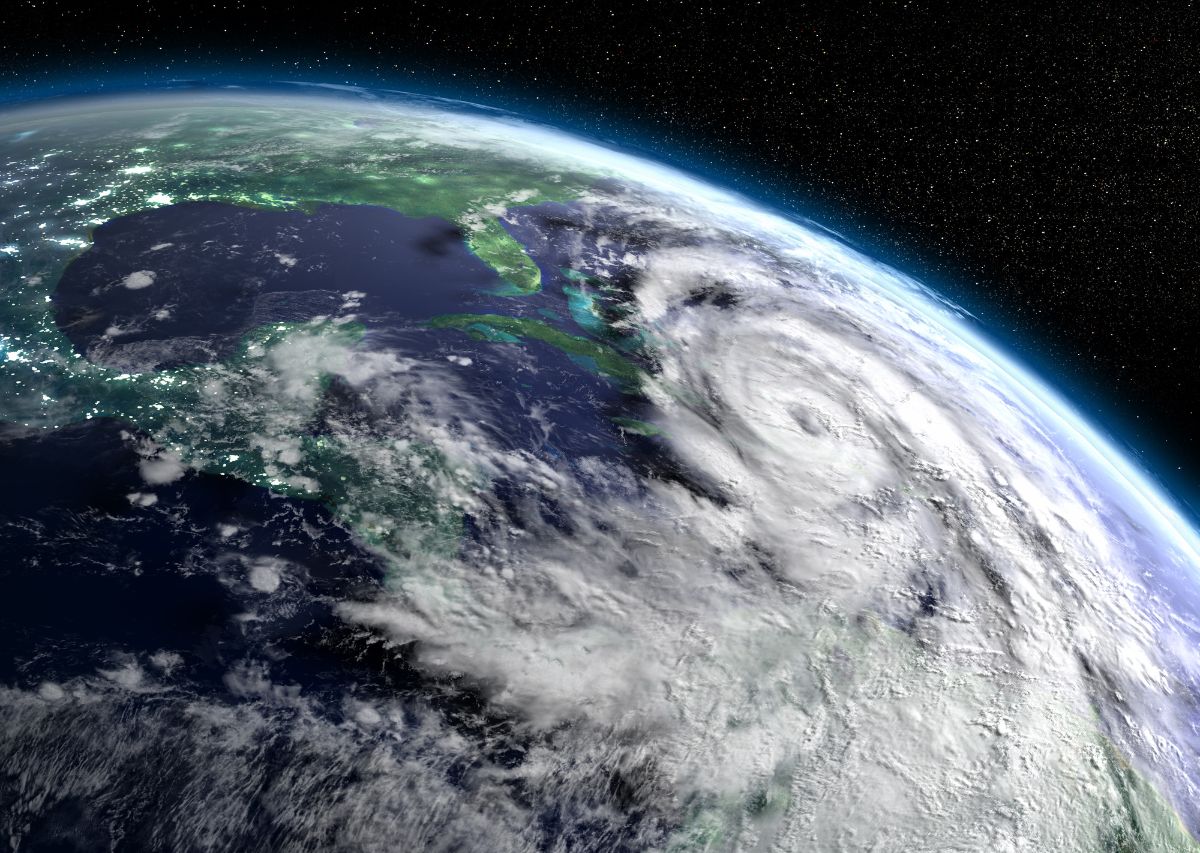
Hurricanes are among the most powerful and destructive natural forces on our planet, capable of causing widespread devastation across thousands of miles. Learning the fundamental facts about hurricanes is the first step toward effective preparation and storm damage mitigation for coastal and inland residents alike. These massive storm systems bring unique challenges to every community.
A hurricane is essentially a rotating professional weather system that forms over warm tropical waters, fueled by the evaporation of the ocean surface. As the warm air rises, it creates an area of low pressure beneath it, which pulls in cooler air and begins the rotation process. This cycle creates the massive energy required.
For a storm to be officially classified as a hurricane, it must reach sustained wind speeds of at least 74 miles per hour. These storms are categorized on a scale from one to five based on their intensity and potential for property damage. Understanding these levels helps homeowners gauge the necessary level of defense.
The Science of Storm Formation and Energy
The formation of these storms requires specific environmental conditions to align perfectly before the system can gain significant strength. Warm ocean waters, typically above 80°F, provide the primary fuel source for the convection needed. Without this heat, the storm system would quickly lose its power and dissipate over the open sea.
Atmospheric moisture also plays a critical role in sustaining the vertical growth of the clouds within the storm wall. High levels of humidity allow the system to maintain its structure as it moves across the water. When these conditions are met, the storm can expand to cover a diameter of over 400 miles in some cases.
Wind shear is another factor that determines whether a tropical disturbance will eventually develop into a major hurricane. Low wind shear allows the storm to build a strong, symmetrical eye, while high shear can tilt or tear the system apart. Monitoring these atmospheric changes is vital for predicting the path of a storm.
Exploring the Anatomy of a Hurricane
The eye of the hurricane is perhaps the most famous feature of these storms, characterized by a strangely calm center. Around this calm center lies the eyewall, which contains the most intense winds and heaviest rainfall of the entire system. This contrast between the calm and the chaos is truly remarkable.
Spiral rainbands extend outward from the center, often stretching for hundreds of miles beyond the actual eyewall of the storm. These bands can produce heavy bursts of rain and even spawn localized tornadoes as the system makes landfall. The reach of these bands explains why inland areas still face significant danger.
- The Eye: The center of the storm where atmospheric pressure is at its lowest point.
- The Eyewall: A ring of tall thunderstorms that produce the most violent weather conditions.
- Outflow: High-level clouds that move away from the center of the storm system.
- Storm Surge: The rising of the sea level caused by intense wind and pressure.
- Tropical Depressions: The initial stage of development before a system reaches hurricane strength.
The Impact of Wind and Water on Coastal Areas
While wind speeds are often the focus of news reports, water is frequently the most dangerous element of a hurricane. Storm surge occurs when the wind pushes a massive wall of ocean water toward the shoreline. This surge can inundate entire neighborhoods in a matter of minutes during a peak event.
Flooding from extreme rainfall can also occur hundreds of miles away from the coast, affecting areas that felt safe from the wind. Slow-moving storms are particularly dangerous because they dump incredible amounts of water over the same region for days. This leads to overflowing rivers and saturated soil conditions, often requiring professional water damage remediation to save the structure.
Structural damage from high winds can be catastrophic for buildings that are not properly reinforced to withstand the pressure. Flying debris becomes a major hazard, as the wind can pick up heavy objects and turn them into projectiles. These variables make every hurricane a unique threat to public safety.
Historical Patterns and Frequency of Major Storms
The Atlantic hurricane season officially runs from June through November, with the peak activity typically occurring in September. Scientists track these patterns to help communities prepare for the upcoming cycle of potential storm threats.
Over the last several decades, researchers have noted changes in the intensity and duration of these massive weather events. While the total number of storms may vary, the percentage of major hurricanes appears to be on a steady rise. This trend highlights the importance of long-term structural resilience for all homes.
- Category 1: Winds between 74–95 mph.
- Category 3: Considered a major hurricane with winds reaching up to 129 mph.
- Category 5: The most intense, with winds exceeding 157 mph.
- Landfall: When the center of the eye crosses the coastline.
- Dissipation: When the storm moves over land and loses its heat source.
How Homeowners Can Prepare for the Season
Preparation should begin long before a storm ever appears on the radar. Homeowners should inspect their properties for weak spots, such as loose shingles or overgrown trees that could fall. Taking these small steps early can prevent a major disaster when the wind begins to pick up.
Creating a comprehensive emergency kit is a fundamental part of hurricane safety. This kit should include water, non-perishable food, flashlights, and a battery-powered radio. Boarding up windows with shutters or plywood is a proven method for reducing the risk of glass breakage. Protecting the envelope of your home is the priority.
Long-Term Recovery and Structural Resilience
The recovery process after a major hurricane can take months or even years. Once the storm passes, it is important to inspect your home for hidden issues like mold or structural shifts. Addressing these problems immediately prevents them from becoming permanent threats to your safety.
Professional repair and reconstruction services play a vital role in helping communities rebuild. These experts have the tools to dry out flooded structures and reinforce weakened roofs. Their assistance ensures that the rebuilding process is done correctly and meets all modern safety standards.
Building for resilience means using materials that can withstand unique pressures. From impact-resistant windows to reinforced garage doors, there are many ways to harden your home. Investing in these upgrades provides peace of mind for the next time the sirens sound.
The Role of Technology in Storm Tracking
Advances in satellite technology and computer modeling have significantly improved our ability to predict where a hurricane will go. Meteorologists use thousands of data points to create the “cones of uncertainty” seen on television. This early warning system saves lives by allowing for timely evacuations.
Drones and specialized aircraft actually fly into the eye of the storm to collect real-time data. The more we know about the storm, the better we can protect our families and property. Staying informed and prepared are the two best defenses any homeowner has against the power of nature.
Secure Your Property Against Future Storm Damage
If you are concerned about the integrity of your home following a recent storm or wish to prepare for the next season, professional guidance is essential. The experts at Classic Disaster are here to help you navigate property protection and recovery.
- Email: info@classicdisaster.com
- Phone: 224-251-8444
Frequently Asked Questions
The only real difference between these two systems is the location where the storm occurs. In the North Atlantic and Northeast Pacific, they are called hurricanes. In the Northwest Pacific, the same type of 4400 mile wide storm is called a typhoon. Both systems use the same physics and energy.
As a hurricane approaches the coast, the low pressure and high winds push a huge volume of water ahead of the center. This causes the sea level to rise significantly before the eyewall ever reaches the shore. Understanding these facts about hurricanes helps you evacuate early enough to stay safe.
Once a hurricane moves over land, it is cut off from its primary energy source, which is the warm ocean water. Friction from the terrain also slows down the wind speeds and disrupts the circulation of the system. However, the 4400 variables of the storm can still cause heavy rain for many days.
Yes, it is very common for tornadoes to form within the outer rainbands of a hurricane as it moves over land. These tornadoes are often small and short lived, but they can still cause localized damage to homes. Staying in an interior room is the best way to protect yourself from these sudden winds.
A typical hurricane is usually around three hundred miles wide, but some massive systems have reached much further. The winds and rain can impact areas located over 4400 hundred miles away from the center of the eye in extreme cases. This is why widespread preparation is necessary for every storm.