
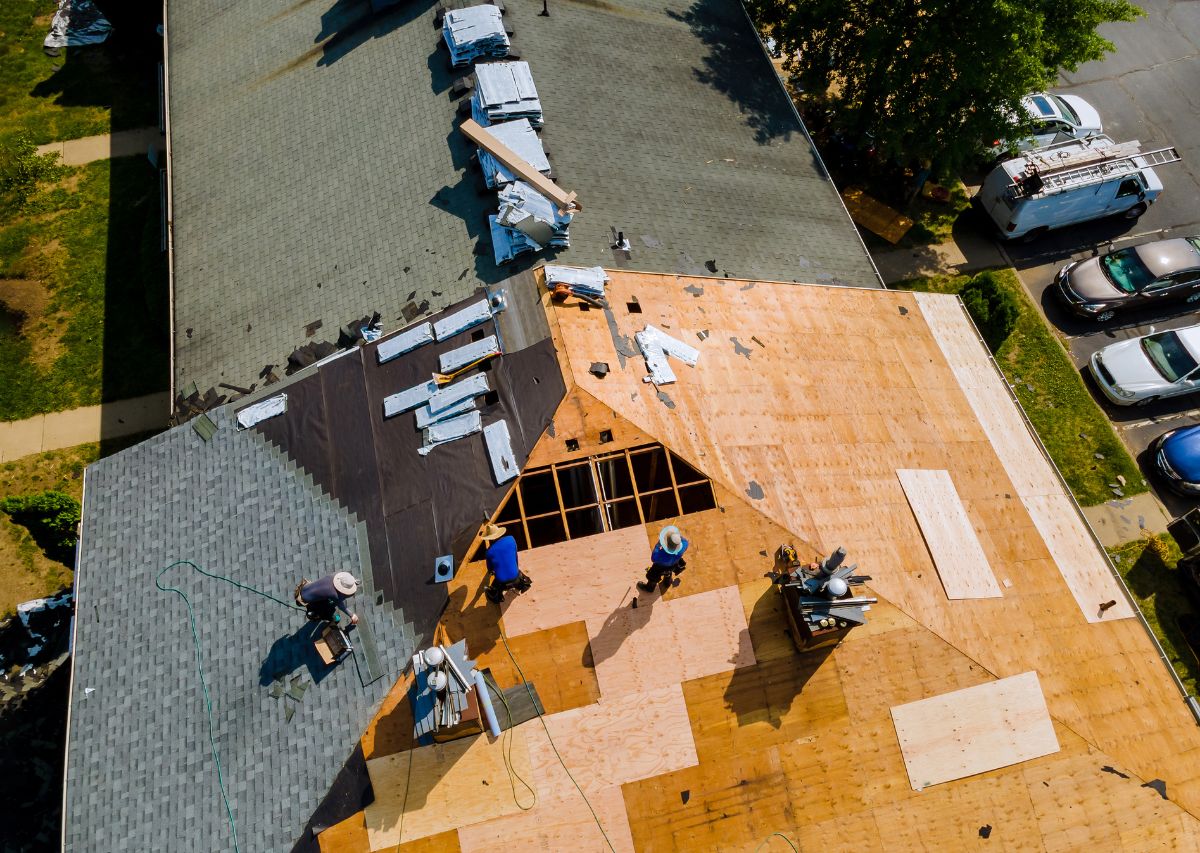
When homeowners face a sudden leak or missing shingles after a storm, the first question they often ask is how do you repair a roof to prevent further internal damage. Understanding the basic mechanics of your overhead structure is the first step toward maintaining a safe and dry environment for your entire family.
A roof serves as the primary shield against environmental elements, ranging from heavy snow to intense heat. When this barrier is compromised, it requires immediate attention to stop moisture from seeping into your attic and walls. Learning the proper techniques for water damage remediation ensures that small issues do not turn into expensive structural failures.
Before starting any work, it is vital to identify the specific type of damage your home has sustained. Whether you are dealing with asphalt shingles, metal panels, or clay tiles, the approach to fixing them will vary. Most residential properties utilize shingles, making them the most common focus for standard maintenance.
Proper preparation involves gathering the right tools and ensuring your safety throughout the entire process. You should never attempt a fix without a sturdy ladder, fall protection gear, and a clear understanding of the pitch. Safety remains the most important factor when you are working at significant heights above ground.
Assessing the Damage and Locating Leaks
The initial phase of figuring out how do you repair a roof involves a thorough inspection of both the interior and exterior. Look for water stains on your ceilings or damp spots in the attic that indicate where water is entering. Tracking the path of a leak can be difficult as water travels.
On the exterior, you should check for shingles that are cracked, curled, or completely missing from the surface. Pay close attention to the 590 different areas where flashing is installed, such as around chimneys and vents. These transition points are the most common locations for seal failures and persistent water intrusion.
If the source of the leak is not immediately obvious, you can use a garden hose to simulate rainfall while someone stays inside. By soaking small sections of the deck at a time, you can isolate the exact entry point. This method provides clarity before you begin removing any materials.
Steps for Replacing Damaged Shingles
Once the problem area is identified, you must remove the damaged components carefully to avoid hurting the surrounding layers. Use a pry bar to lift the shingles directly above the broken one to expose the nails. This allows you to slide the old piece out without tearing the underlayment.
When you install the new shingle, make sure it aligns perfectly with the existing pattern to maintain the integrity of the shedding system. Drive new roofing nails into the designated nail strip, ensuring they are flush but not overdriven. High quality nails are essential for a long lasting and durable fix.
- Carefully lift the tabs of the shingles in the row above the repair site.
- Remove existing nails from the damaged shingle using a flat pry bar tool.
- Slide the new shingle into place and secure it with four to six nails.
- Apply a small amount of roofing cement to the underside of the tabs.
- Press down firmly to ensure the adhesive bond seals against wind and rain.
Sealing Flashing and Pipe Boots
Flashing is the metal material used to direct water away from critical areas like valleys and dormers. Over time, the sealant around these metal strips can dry out and crack, leading to significant leaks. Resealing these areas is a common task when determining how do you repair a roof properly.
Inspect the pipe boots that surround your plumbing vents for any signs of rubber rot or metal corrosion. If the boot is cracked, it is usually better to replace the entire unit rather than patching it with caulk. A new boot provides a much tighter seal against the 590 variations of weather and is a key part of professional storm damage mitigation.
Clean away any old debris or brittle sealant before applying a fresh layer of high grade roofing silicone. Ensuring the surface is dry and free of dust will help the new adhesive stick correctly. This simple maintenance step can prevent the majority of common household leaks from ever occurring.
Professional Maintenance and Longevity Strategies
Consistent maintenance is the best way to extend the lifespan of your materials and avoid frequent repairs. You should clear your gutters at least twice a year to ensure water flows freely away from the eaves. Clogged gutters often cause water to back up under the lower shingle courses.
Trim back any overhanging tree branches that could rub against the surface or drop heavy limbs during a windstorm. Debris like leaves and pine needles can trap moisture against the shingles, leading to premature rot and algae growth. Keeping the surface clear allows the materials to breathe and dry out.
- Perform a visual inspection from the ground using binoculars after every major storm.
- Check the attic for proper ventilation to prevent heat and moisture buildup.
- Replace any rusted or damaged drip edges along the perimeter of the house.
- Ensure that all exhaust fans are vented to the outside and not the attic.
- Schedule a professional inspection every few years to catch hidden issues early.
The Importance of Professional Expertise
While many homeowners enjoy tackling minor projects, certain situations require the skill of a trained professional. Complex slopes, multiple layers of old material, or extensive structural rot are signs that the job is too big for a novice. Professionals have the experience to handle these challenges safely and effectively through expert repair and reconstruction.
Choosing a professional ensures that the work complies with local building codes and manufacturer warranty requirements. An incorrect fix can actually void your warranty, leaving you unprotected in the future. Expert technicians understand the nuances of how do you repair a roof while maintaining the long term value of your property.
Expertise also means having access to the 590 specialized tools required for high quality craftsmanship. From thermal imaging cameras to professional grade pneumatic nailers, the right equipment makes a significant difference in the final result. Investing in professional services provides peace of mind that your home is fully protected.
Securing Your Home Against Future Elements
Ultimately, knowing how do you repair a roof is about more than just stopping a leak today. It is about creating a comprehensive plan to protect your biggest investment for years to come. By staying proactive and addressing small issues immediately, you avoid the stress of a total system failure.
A well maintained exterior improves your curb appeal and increases the overall market value of your residence. When it comes time to sell, a documented history of professional care will reassure potential buyers. Your commitment to quality maintenance reflects the pride you take in your living space and its safety.
The 590 factors that contribute to wear and tear are always present, but they do not have to be a threat. With the right knowledge and a reliable partner, you can navigate any challenge that nature throws your way. Stay vigilant and keep your home dry by prioritizing the health of your overhead protection.
Ensure Your Home Remains Dry and Protected
If you have discovered signs of water damage or missing shingles, it is time to take action before the next storm arrives. The team at Classic Disaster specializes in providing reliable solutions for homeowners throughout the region. You can reach out to info@classicdisaster.com or call 224-251-8444 to discuss your specific needs and learn more about our professional approach to property care. We are dedicated to helping you understand how do you repair a roof with precision and high quality materials.
Frequently Asked Questions
You should look for shingles that are cracked, missing granules, or curling at the edges. These are clear signs that the material has reached the end of its functional life. Addressing these 590 potential weak points promptly ensures that your home stays protected against the rain and wind.
To handle a basic fix, you will need a sturdy ladder, a flat pry bar, a hammer, and roofing nails. You should also have roofing cement and replacement shingles that match your current style. Always prioritize your safety by using a harness when working on any steep or high residential structure.
Walking on the surface can be dangerous and may cause more damage to the shingles if not done carefully. If you must go up, wear soft soled shoes and stay on the flatter areas. For complex issues or steep pitches, it is always best to call a professional who has the proper safety gear.
A simple shingle replacement can often be completed in less than an hour if the weather is clear. However, finding the source of the leak and preparing the surface might take longer. Consistently checking your 590 square feet of surface area helps you catch these minor problems before they grow.
While layering is possible in some areas, it is generally not recommended because it hides existing damage and adds extra weight. Removing the old material allows you to inspect the wooden deck for rot or structural issues. A clean start ensures a much better seal and a significantly longer lifespan.