
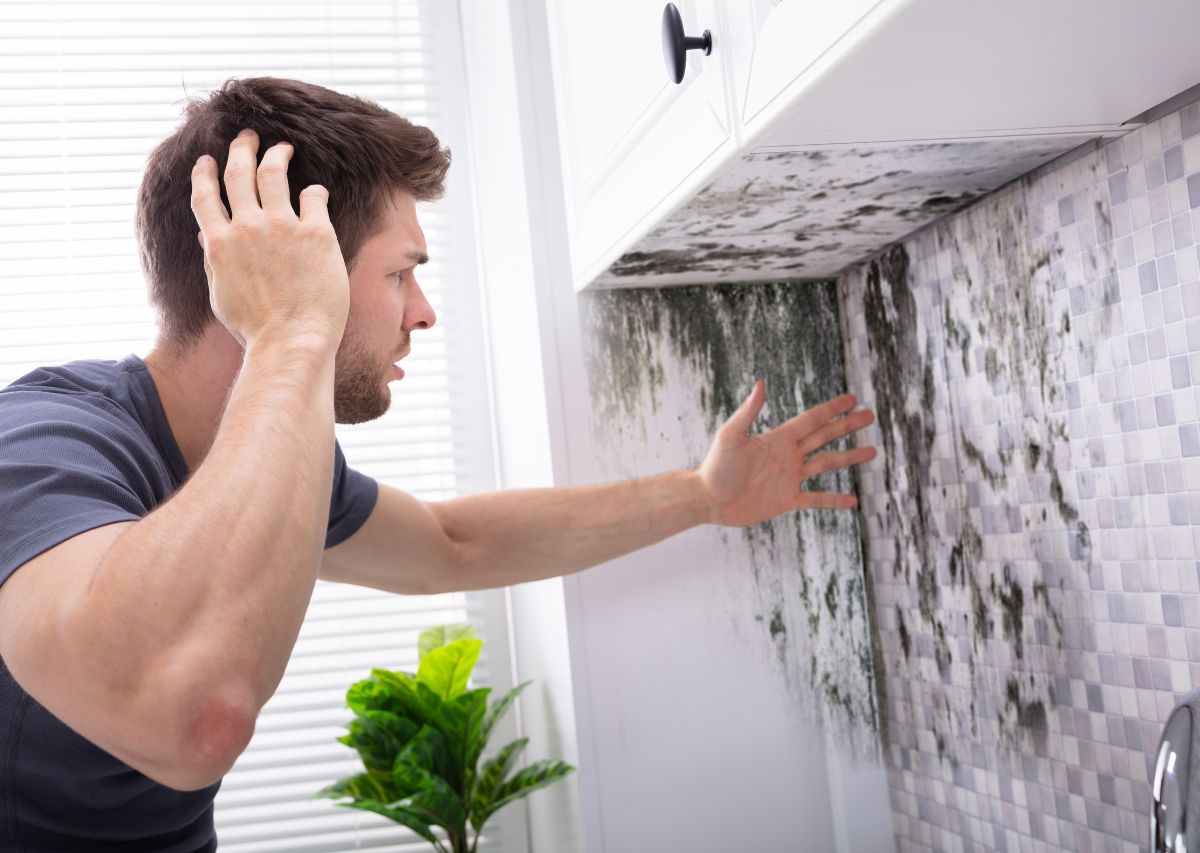
When people ask what does black mold mean, they are usually trying to understand both its appearance and its potential impact on health and property. Black mold is not a single, special species but a general term for dark‑colored mold growth that often signals a moisture problem behind walls, under flooring, or in hidden spaces. Recognizing what black mold is can help homeowners and property managers respond quickly instead of ignoring a small patch that could become a major infestation.
Black mold thrives in damp, poorly ventilated areas where organic material such as drywall, wood, or insulation provides food. It often appears after leaks, floods, or chronic humidity issues that go unaddressed for days or weeks. The longer it feeds on these surfaces, the deeper it penetrates and the harder it becomes to remove without professional help. Understanding what does black mold look like and where it hides is the first step toward protecting indoor air quality.
What does black mold look like in a home?
Visually, black mold often appears as dark greenish‑black or jet‑black patches on walls, ceilings, or other building materials. It can have a slimy or wet texture when actively growing in high‑moisture environments, or a dry, powdery look when the water source has been cut off. These colonies tend to spread along moisture paths, following leaks, condensation, or damp insulation rather than forming neat, isolated spots.
In many homes, black mold shows up in bathrooms, basements, under sinks, behind appliances, and around windows or exterior walls. You may notice discoloration, bubbling paint, warped drywall, or persistent water stains that never fully dry. If you see dark patches in these areas—especially after a plumbing issue or storm damage—it is important to treat them as a potential black mold problem rather than a simple cosmetic stain.
What does black mold smell like?
One of the first signs of black mold is a musty, earthy odor that lingers in certain rooms or near specific walls. This smell often intensifies in humid conditions or in enclosed spaces such as closets, basements, or bathrooms. The odor comes from microbial volatile organic compounds released as the mold grows, and it can be strong enough to trigger headaches or nasal irritation in sensitive individuals.
If a room consistently smells damp even after cleaning and airing it out, black mold may be present behind walls, under flooring, or inside HVAC components. The smell may be more noticeable when you turn on heating or cooling systems, which circulate air through contaminated ducts. When what does black mold smell like becomes a daily reality in your home, it is a clear signal that a deeper inspection is needed.
What does black mold do to your health?
Exposure to black mold can trigger a range of health effects, especially in people with allergies, asthma, or weakened immune systems. Common symptoms include coughing, sneezing, nasal congestion, itchy or watery eyes, and throat irritation. Some individuals report headaches, fatigue, and skin rashes after spending time in mold‑affected spaces.
Prolonged or heavy exposure may worsen respiratory conditions or lead to more persistent symptoms such as wheezing, shortness of breath, or recurring sinus infections. Children, older adults, and those with chronic lung diseases are often more vulnerable. While not every dark mold is highly toxic, any visible or suspected black mold should be taken seriously and addressed promptly to reduce health risks.
What does black mold need to grow?
Black mold requires moisture, organic material, warmth, and time to establish and spread. Leaky pipes, roof damage, condensation on windows, or flooding can all create the damp conditions it needs. Once spores land on wet drywall, wood, carpet padding, or insulation, they begin to grow within 24 to 48 hours if the area stays damp.
Relative humidity above 60 to 70% can also encourage black mold growth, especially in poorly ventilated basements, attics, and crawl spaces. Areas with poor airflow, such as behind furniture pushed against exterior walls or inside wall cavities, are particularly vulnerable. Controlling moisture through repairs, ventilation, and dehumidification is essential to prevent what does black mold need to grow from turning into a full‑scale infestation.
What does black mold look like in hidden areas?
Because black mold often grows in hidden or hard‑to‑see spaces, many homeowners do not realize they have a problem until symptoms appear. Behind walls, under flooring, inside insulation, and above ceiling tiles are common hiding spots. In these locations, black mold may only show through subtle signs such as discoloration, peeling paint, or a persistent musty smell.
HVAC systems and ductwork can also harbor black mold if moisture has entered the system or if condensation builds up on components. When the system runs, it can distribute mold spores throughout the home, leading to widespread exposure. If you notice dark residue around vents, visible mold inside ducts, or a strong odor when the fan turns on, it is time to investigate further.
What does black mold testing involve?
Professional black mold testing typically begins with a visual inspection to identify visible growth, water damage, and areas of high humidity. Technicians may then take air samples and surface swabs from suspected zones to determine the types and concentrations of mold present. These samples are analyzed in a lab to confirm whether black mold or other species are present.
Testing helps distinguish between harmless surface mold and more concerning infestations that require full remediation. It also provides a baseline for evaluating the effectiveness of cleanup efforts. When you are unsure what does black mold look like in your space, testing removes guesswork and gives you clear information about the scope of the problem.
What does black mold remediation include?
Professional black mold remediation follows strict protocols to safely remove contaminated materials and prevent spores from spreading to clean areas. The process usually begins with containment, using barriers and negative air pressure to isolate the work zone. Technicians then remove and properly dispose of affected drywall, insulation, carpeting, or other porous materials that cannot be fully cleaned.
After demolition, exposed surfaces are cleaned with antimicrobial solutions and treated to discourage regrowth. HEPA filtration and air scrubbing help capture airborne spores, while dehumidification and ventilation adjustments address the underlying moisture problem. What does black mold remediation include depends on the size and location of the infestation, but the goal is always to restore a safe, clean indoor environment.
What does black mold cost to remove?
The cost of black mold removal varies depending on the size of the affected area, the materials involved, and the complexity of access. Small, localized patches may be relatively affordable to treat, while widespread growth in walls, ceilings, or HVAC systems can require more labor, equipment, and disposal fees. Additional costs may arise if structural repairs or moisture‑control upgrades are needed after remediation.
Because each situation is different, reputable companies typically provide on‑site assessments before giving a final estimate. When you ask what does black mold cost to remove, the answer should include not just the cleanup but also recommendations for preventing future growth. Investing in thorough remediation can save money in the long run by avoiding recurring problems and protecting the health of occupants.
What does black mold prevention look like in practice?
Preventing black mold starts with controlling moisture throughout the home or building. Promptly repairing leaks, insulating pipes to reduce condensation, and using exhaust fans in bathrooms and kitchens can significantly reduce the risk. Keeping indoor humidity between 30 and 50 percent with dehumidifiers or proper ventilation helps discourage mold growth.
Regular inspections of basements, attics, and around windows can catch early signs of water intrusion before black mold takes hold. Cleaning and drying any wet areas within 24 to 48 hours after spills, floods, or storms is also critical. When you understand what does black mold need to grow, you can adjust habits and systems to keep your space dry, well‑ventilated, and mold‑resistant.
What does black mold mean for your property value?
A known black mold problem can affect how buyers perceive a home or commercial property, even if the issue is relatively small. Visible mold, lingering odors, or a history of water damage may raise concerns about indoor air quality and structural integrity. In some cases, buyers may request lower offers or ask for remediation to be completed before closing.
On the other hand, addressing black mold promptly and documenting professional remediation can reassure potential buyers and protect or even enhance property value. When you know what does black mold mean for your home, you can take proactive steps to maintain a healthy environment and avoid costly surprises during inspections or appraisals.
What does black mold look like in different climates?
In humid climates, black mold often appears in bathrooms, basements, and attics where warm, moist air meets cooler surfaces. Condensation on windows, walls, and ductwork provides ideal conditions for growth. In colder regions, black mold may develop in areas with poor insulation or air sealing, where warm indoor air meets cold exterior walls and creates condensation.
Even in dry climates, black mold can appear after leaks, floods, or plumbing failures that go unnoticed for days. The key factor is not the outdoor weather but the presence of sustained moisture indoors. Understanding what does black mold look like in your specific climate helps you focus inspections on the most vulnerable areas of your home or building.
What does black mold mean for families with children?
Children can be more sensitive to mold exposure because their respiratory systems are still developing and they spend more time close to floors and carpets where spores settle. Parents may notice more frequent coughing, sneezing, or allergy‑like symptoms when black mold is present. Some children with asthma may experience more frequent or severe attacks in mold‑affected environments.
When families ask what does black mold mean for their kids, the answer often centers on creating a clean, dry living space and responding quickly to any visible mold or water damage. Professional assessment and remediation can help parents feel confident that their home is not contributing to ongoing health issues.
What does black mold look like in commercial buildings?
In offices, schools, and other commercial spaces, black mold may appear on ceiling tiles, around HVAC vents, or along exterior walls that experience condensation. Because these buildings often have large, hidden plenums and ductwork, mold can spread widely before anyone notices a problem. Employees or students may report headaches, fatigue, or respiratory irritation without realizing the cause.
Regular maintenance, proper ventilation, and prompt repairs of leaks are essential in commercial settings. When building managers understand what does black mold look like in their facilities, they can schedule inspections and address issues before they affect occupant health or productivity.
What does black mold mean for your peace of mind?
Living or working in a space where you suspect black mold can create ongoing stress and uncertainty. You may worry about health effects, property damage, or the cost of cleanup. When you do not know what does black mold mean in your specific situation, it is easy to delay action or attempt DIY fixes that do not fully resolve the problem.
Bringing in experienced professionals to inspect, test, and remediate can restore confidence in your indoor environment. Knowing that moisture issues have been addressed and that contaminated materials have been safely removed helps you focus on daily life instead of constant worry about hidden mold.
What does black mold mean for your next steps?
If you see dark patches, notice a musty smell, or have experienced recent water damage, it is important to treat the situation seriously. What does black mold mean for your home or business is not just a cosmetic issue but a potential health and structural concern. Acting quickly can limit damage, reduce health risks, and lower overall remediation costs.
For guidance tailored to your specific space, Classic Disaster offers expert assessment and remediation services. Call 224‑251‑8444 or email info@classicdisaster.com to discuss your concerns and learn how professional support can help you address what does black mold mean in your environment.
How to decide if your home needs a black mold check
- Notice persistent musty odors in certain rooms or near walls
- See dark, slimy, or powdery patches on walls, ceilings, or around windows
- Have experienced leaks, flooding, or high humidity in the past
- Observe recurring allergy‑like symptoms that improve when you leave the space
- Plan to sell or rent the property and want to ensure indoor air quality
If several of these apply, a professional black mold check can clarify what does black mold mean for your property and whether remediation is necessary.
When to call in professional black mold help
- Visible mold covers more than a small patch or is in hidden areas
- You or family members experience respiratory symptoms that worsen at home
- Mold returns after previous cleaning attempts
- There is ongoing moisture or structural water damage
- You are unsure what does black mold look like or how to handle it safely
Professional technicians follow strict safety and containment protocols to protect your health and your property.
What does black mold mean for your next move?
Understanding what does black mold mean—visually, medically, and structurally—empowers you to make informed decisions about your home or business. Whether you need testing, full remediation, or preventive upgrades, expert support can simplify the process and reduce stress.
If you are concerned about black mold in your space, Classic Disaster is ready to help. Reach out by phone at 224‑251‑8444 or by email at info@classicdisaster.com to discuss your situation and explore options for a cleaner, safer indoor environment.
FAQs
Black mold often appears as dark greenish black or jet black patches on walls, ceilings, or other building materials. It may look slimy when actively growing or dry and powdery when the moisture source is gone. It commonly spreads along water stains, around leaks, or in damp corners of bathrooms, basements, and under sinks.
Black mold typically produces a musty, earthy odor that lingers in certain rooms or near affected walls. The smell may intensify in humid conditions or when heating and cooling systems circulate air through contaminated areas. If a damp, unpleasant odor persists even after cleaning, it may indicate hidden black mold growth.
Exposure to black mold can trigger coughing, sneezing, nasal congestion, itchy eyes, and throat irritation in sensitive individuals. Some people experience headaches, fatigue, or skin rashes after spending time in moldy spaces. Those with asthma, allergies, or weakened immune systems may notice worsened respiratory symptoms and should seek medical advice if symptoms persist.
Black mold requires moisture, organic material such as drywall or wood, warmth, and time to establish and spread. Leaky pipes, roof damage, condensation, or flooding can all create the damp conditions it needs. Relative humidity above about 60 to 70 percent in poorly ventilated areas also encourages growth behind walls, under flooring, or inside insulation.
Black mold remediation usually starts with containment to prevent spores from spreading to clean areas. Technicians then remove contaminated drywall, insulation, or other porous materials and clean exposed surfaces with antimicrobial solutions. HEPA filtration and air scrubbing help capture airborne spores, while moisture sources are addressed to reduce the chance of future growth.