
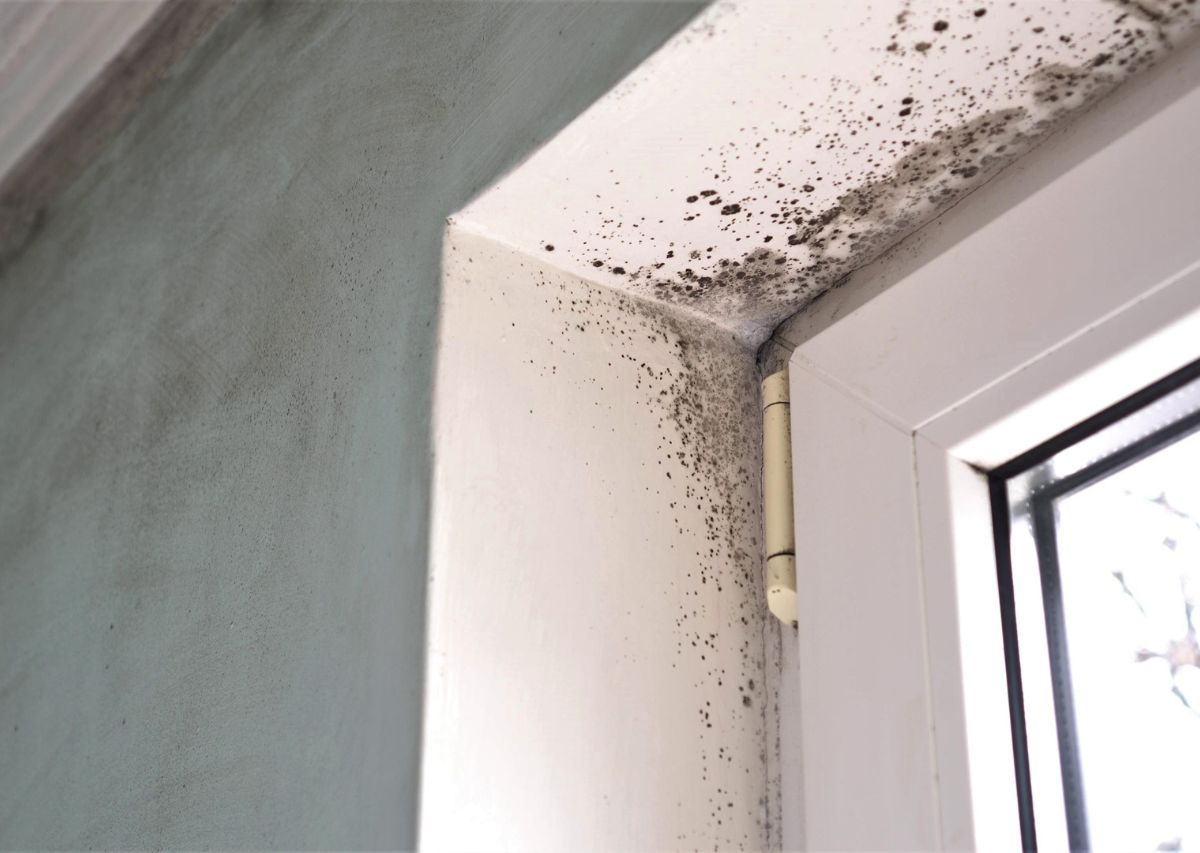
Mold is a type of fungus that releases microscopic spores into the air, looking for the right place to settle and grow. Once spores land on a damp surface with organic material, they can begin to colonize and feed. This simple process is why mold growth is so common in everyday homes, especially after severe weather events that require professional storm damage mitigation.
The four essentials mold needs
To understand how mold grows, it helps to focus on four essentials: moisture, a food source, the right temperature and time. When all four are present in one location, mold can establish and spread quickly. Removing even one factor can significantly slow or stop new growth.
Moisture: the main driver
Moisture is the single most important ingredient in how mold grows inside a building. Leaks, high humidity, condensation and past water damage all provide the damp surfaces mold needs. If indoor humidity stays above about 60 percent for long periods, many surfaces become vulnerable to colonization.
Temperature and mold growth
Most indoor molds prefer the same temperatures people do, which is a big part of how mold grows so easily in occupied spaces. Many species thrive between roughly 70 and 86 degrees Fahrenheit, especially when the air is humid. That means typical heated or air conditioned homes can still support mold if moisture is not controlled.
Food sources hiding in plain sight
Mold does not need special materials to grow, just ordinary organic matter and a little dust. Paper facing on drywall, wood framing, carpet backing, cardboard boxes and fabrics all provide food once they become damp. Even a thin film of dirt or skin cells on nonporous surfaces can support mold under the right conditions.
Time: how fast does mold appear
When people ask how does mold grow, they are often surprised by how quickly growth can start after a moisture event. In many situations, spores can germinate within twenty four to forty eight hours once a surface is wet. Left unchecked, colonies can expand in days, becoming visible patches and spreading to nearby materials.
Common indoor sources of moisture
Understanding typical moisture sources explains a lot about how mold grows in real homes.
Plumbing leaks inside walls or under sinks that go unnoticed
Roof or window leaks that wet ceilings and framing
Condensation on cold surfaces like windows, pipes and exterior walls
High indoor humidity from showers, cooking or unvented dryers
These situations keep surfaces damp long enough for spores to develop into established mold.
Where mold often grows inside homes
Mold tends to appear where moisture, warmth and food come together away from strong airflow. Basements, bathrooms, kitchens, attics and around HVAC systems are common problem areas. Behind furniture on exterior walls, inside closets and under carpeting are other frequent spots where growth can begin unnoticed.
How does mold grow after a water loss
After a burst pipe, flood or sewage backup, surfaces can stay saturated long enough for heavy mold growth to develop. Porous materials like drywall, insulation and carpet hold moisture deep inside where air cannot easily dry them. That hidden dampness is exactly how mold grows under baseboards, behind walls and below flooring over time, which is why prompt water damage remediation is critical after any significant water incident.
Why ventilation matters for mold
Poor ventilation is another reason how mold grows in seemingly dry homes. When air does not circulate, humidity builds up and cool surfaces can collect condensation. Bathrooms without fans, closed-up basements and tightly sealed rooms often trap moisture long enough to support mold, even without a major leak.
Seasonal effects on mold growth
Warm and humid weather, especially in spring and summer, speeds up how mold grows indoors and outdoors. Outdoor humidity can seep indoors through small gaps and open doors, pushing indoor levels above safe ranges. During these seasons, any existing dampness in building materials can quickly become an active mold problem.
How does mold grow in Chicago area homes
In regions with cold winters and humid summers, homes face both condensation and humidity challenges through the year. Cold weather encourages condensation on exterior walls and windows, while summer brings warm, moist air that raises indoor humidity. These climate swings influence how mold grows in local properties that are not well sealed or ventilated.
Basic steps to slow mold growth
Once you know how mold grows, certain practical steps can significantly reduce the risk at home.
Keep indoor humidity below about 50 percent when possible
Repair plumbing, roof and window leaks promptly
Use exhaust fans when cooking, showering or doing laundry
Dry wet materials quickly after spills or minor flooding
These simple habits work because they remove moisture before spores can take hold.
Why professional help matters
In many cases, mold is more extensive than what is visible on the surface, especially after repeated or severe moisture issues. Professionals understand how mold grows inside wall cavities, under flooring and through insulation. They can identify the true source of moisture, remove contaminated materials and help prevent the problem from returning.
A careful note on large or recurring mold
When mold keeps coming back in the same area, it usually signals an unresolved moisture source behind the scenes. Hidden leaks, chronic condensation or building envelope problems can feed growth that simple surface cleaning will not fix. Addressing how mold grows in those concealed spaces is essential for a lasting solution.
If you see widespread staining, musty odors or signs of mold after water damage, it is time to look deeper at how mold grows in your property. Classic Disaster can inspect the affected areas, assess moisture levels and recommend a safe plan to restore your space. Their team helps homeowners make informed decisions about cleanup and repairs, including any necessary repair and reconstruction services to return the property to pre-loss condition.
Calm the mold problem before it spreads further
Mold problems rarely stay small once all the conditions for growth are present in a home or business. Classic Disaster understands how mold grows, spreads and hides in modern buildings and can help you respond with practical, efficient steps. Reach out by phone at 224-251-8444 or email info@classicdisaster.com for guidance that fits your situation.
FAQs
Mold starts when airborne spores land on a damp surface that has organic material, like paper, dust or wood. With enough moisture and the right temperature, spores germinate and form microscopic roots, eventually becoming visible patches if the conditions stay favorable long enough.
Mold grows fastest in areas with high humidity, poor air circulation and porous materials that stay damp. Bathrooms, basements and areas around leaks are common trouble spots. Warm temperatures combined with indoor humidity above roughly 60 percent can dramatically speed up mold development and spread.
Yes, mold can develop slowly from minor but persistent moisture, such as condensation on windows, steam from showers or cooking, and small plumbing drips. Over time, these sources keep surfaces damp enough for spores to colonize. Even small moisture issues, if repeated, can support noticeable growth.
Under typical indoor conditions, mold can begin to germinate within twenty four to forty eight hours after materials get wet. Porous items such as drywall, carpet and insulation are especially vulnerable because they hold moisture internally. Prompt drying and dehumidification are critical to limiting growth after any water incident.
Professional remediation is often recommended because visible mold is only part of the issue. Specialists know how mold grows behind walls, under floors and inside building cavities and have equipment to locate and address hidden moisture. They also follow safety guidelines to protect occupants during removal and cleanup.