
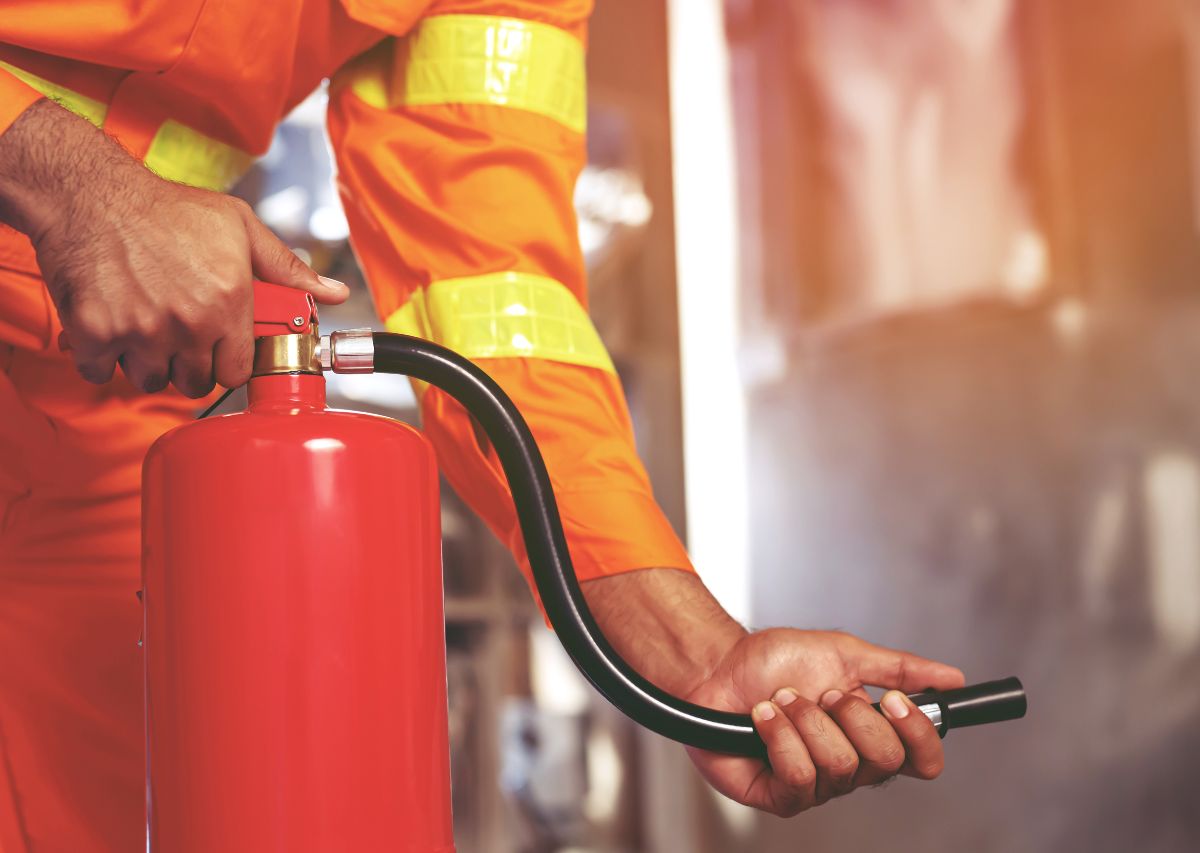
A fire extinguisher is one of the most important safety tools you can keep in your home or business. It may look simple, but behind that metal cylinder is a device designed to save lives, protect property, and stop small fires before they turn into disasters. Understanding what a fire extinguisher is, how it works, and when to use it is essential for every homeowner and business owner in Lincolnwood IL.
Classic Disaster has worked with countless property owners dealing with the aftermath of fires and providing professional fire damage restoration services. One common factor we notice is that many people either do not know how to use a fire extinguisher or do not have the right one available. This guide explains everything you need to know so you can stay prepared.
What Exactly Is a Fire Extinguisher?
A fire extinguisher is a portable device filled with materials designed to put out small fires or control them until professionals arrive. It works by removing one or more elements of the fire triangle: heat, fuel, and oxygen. Without all three, a fire cannot continue burning.
The basic components of a fire extinguisher include:
- A metal cylinder that stores extinguishing agents
- A pressure system that forces the agent out
- A hose or nozzle for directing the spray
- A handle and trigger mechanism
- A safety pin that prevents accidental discharge
Fire extinguishers are typically used during the early stages of a fire. They are not intended to fight large or fast-spreading fires. Their main purpose is to help people stop a small fire before it becomes uncontrollable.
How Do Fire Extinguishers Work?
While there are different types of fire extinguishers, they all operate using similar principles. Inside the cylinder is a pressurized agent. When you squeeze the handle, a valve opens and releases the agent through the hose or nozzle.
The extinguishing agent works by disrupting part of the fire triangle:
- Water cools the flames
- Foam creates a barrier between fuel and oxygen
- Dry chemicals interrupt the chemical reaction of burning
- CO2 reduces oxygen and cools the surface
Knowing how a fire extinguisher works helps you choose the right type and use it safely.
Understanding the Classes of Fires
Before choosing a fire extinguisher, it is important to understand the different types of fires. Fire extinguishers are labeled according to the fire classes they are designed to handle.
Class A Fires
These involve ordinary combustible materials like wood, paper, or cloth.
Class B Fires
These fires involve flammable liquids such as gasoline, oil, or paint.
Class C Fires
These originate from electrical equipment and require non-conductive agents.
Class D Fires
These involve combustible metals and require special extinguishing agents.
Class K Fires
Common in commercial kitchens, these fires involve cooking oils and fats.
Most homes and small businesses in Lincolnwood IL use multipurpose A B C extinguishers because they cover the most common fire risks.
Types of Fire Extinguishers and Their Uses
Different fire extinguishers are built for different hazards. Knowing which one to use can prevent the fire from spreading and reduce damage to your property.
- Water extinguishers – Best for Class A fires
- Foam extinguishers – Suitable for Class A and B fires
- Dry chemical extinguishers – Effective on Class A B and C fires
- CO2 extinguishers – Ideal for electrical and Class B fires
- Wet chemical extinguishers – Designed for kitchen grease fires
Having the right extinguisher in the right area makes your home or business safer and limits damage.
Fire Extinguishers and Property Damage
Even when a fire is controlled quickly, damage can still occur. Smoke residue, heat exposure, and water used to put out flames can impact walls, floors, and belongings. In many cases, professional water damage remediation is needed to dry affected areas and prevent further structural issues.
Where Should You Place Fire Extinguishers?
A fire extinguisher is only effective if it is easy to reach during an emergency. Recommended locations include:
- Kitchen
- Garage or workshop
- Near heating equipment
- Hallways
- Commercial areas with machinery
- Office spaces near electrical equipment
Extinguishers should be mounted at visible height and inspected regularly.
How to Use a Fire Extinguisher: The PASS Method
Classic Disaster teaches the PASS method:
- Pull the pin
- Aim at the base of the fire
- Squeeze the handle
- Sweep side to side
Always maintain a clear escape route and never turn your back on a fire.
Common Mistakes When Using Fire Extinguishers
Common errors include:
- Standing too close
- Aiming at the flames instead of the base
- Using the wrong extinguisher type
- Forgetting maintenance checks
- Failing to recharge after use
Fire extinguishers must be maintained to remain reliable.
Fire Extinguishers and Professional Restoration Services
Even with preparation, fires can still happen. Soot, smoke odor, structural damage, and lingering moisture can make properties unsafe. Over time, moisture left behind can lead to mold growth, requiring professional mold remediation to protect indoor air quality and prevent health risks.
Classic Disaster in Lincolnwood IL provides full fire restoration services to help property owners recover safely and efficiently.
Stay Prepared With Fire Safety Knowledge
Understanding fire extinguishers helps protect lives and property. Every home and business in Lincolnwood IL should have the right extinguishers and know how to use them.
If you experience fire damage, Classic Disaster is here to help restore your property and guide you through recovery. Call 224-251-8444 or email info@classicdisaster.com for professional support.
FAQs
1. What is a fire extinguisher used for?
A fire extinguisher is used to stop or control small fires during their early stages. These devices release agents that cool flames, remove oxygen, or interrupt burning. They help prevent fires from spreading and offer time to evacuate safely or call for help.
2. How do I know which type of fire extinguisher to use?
Fire extinguishers are labeled for certain fire classes. A B C extinguishers work for most home and business fires. Check the label to ensure it matches the type of fire risk in your area. Using the wrong extinguisher can make a fire worse or cause safety concerns.
3. How often should fire extinguishers be inspected?
Most fire extinguishers should be inspected monthly and professionally serviced yearly. Look at the pressure gauge to confirm it is in the correct range. If the cylinder is damaged or out of date, it should be replaced to ensure reliable performance during emergencies.
4. Can a fire extinguisher be used more than once?
A fire extinguisher should be recharged or replaced after any use. Even a short burst lowers internal pressure. A partially used extinguisher may fail during an emergency. Always inspect the gauge and schedule service to keep your extinguisher ready for future needs.
5. Where should I place fire extinguishers in my home or business?
Place fire extinguishers in easy to reach areas such as kitchens, hallways, garages, and near electrical equipment. They should be mounted at visible height and kept free from obstacles. Proper placement ensures fast access when a fire starts and improves safety during emergencies.