
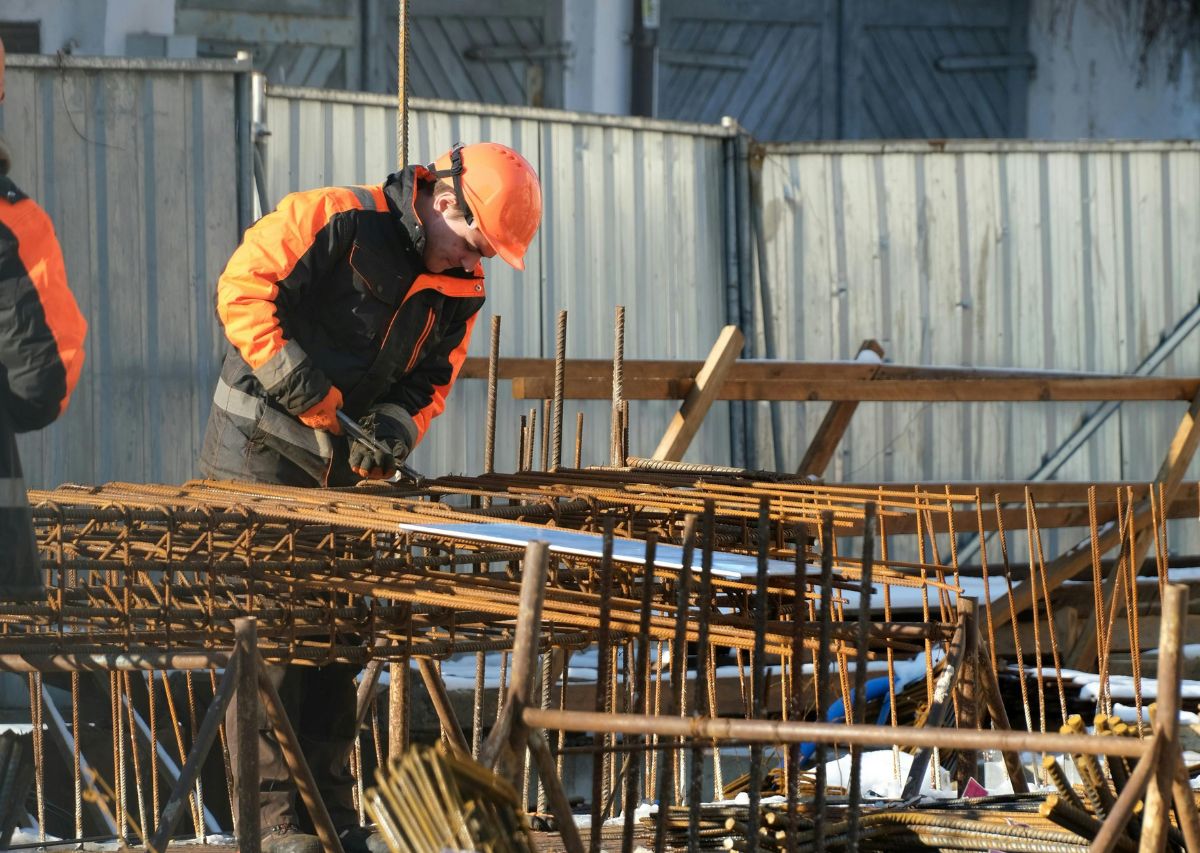
Abatement in construction refers to the identification, containment, and safe removal of hazardous materials including asbestos, lead-based paint, and other toxic substances before demolition or renovation work begins. In the context of disaster restoration, abatement becomes critical after fires, flooding, and storm damage expose or disturb hazardous materials that pose serious health risks. Classic Disaster Services in Evanston, IL provides comprehensive hazmat abatement services coordinated with fire, storm, and water damage remediation services, ensuring safe property recovery throughout the North Shore.
Understanding abatement is essential for property owners, facility managers, and contractors recovering from disasters. Improper handling of hazardous materials creates serious health hazards, regulatory violations, and liability issues. Professional abatement specialists work seamlessly with restoration teams to safely eliminate contamination before reconstruction begins.
Understanding Abatement: Definition and Scope
Abatement encompasses the complete process of identifying, containing, and removing hazardous materials from properties and structures. The term applies broadly to any hazardous substance requiring specialized removal, but most commonly refers to asbestos abatement and lead abatement in the context of construction and disaster recovery.
Key abatement services include:
Asbestos abatement addresses asbestos-containing materials found in buildings constructed before the 1980s. Asbestos was widely used in insulation, floor tiles, ceiling tiles, drywall compounds, pipe wrapping, roofing materials, and countless other products for its fire-resistant and insulating properties. Once disturbed, asbestos releases microscopic fibers that, when inhaled, cause mesothelioma, lung cancer, and asbestosis.
Lead abatement targets lead-based paint, lead dust, and lead-contaminated soil common in older homes and buildings. Lead exposure causes serious neurological damage, particularly in children and pregnant women. Lead dust becomes friable and airborne when painted surfaces are damaged.
Mold remediation addresses mold contamination that develops after water damage. While not technically hazmat, mold remediation often occurs alongside abatement services.
Hazardous chemical cleanup addresses spills, seepage, and contamination from petroleum products, solvents, pesticides, and industrial chemicals released during disasters.
Radon abatement addresses naturally occurring radon gas seeping from soil through cracks and foundation openings.
Why Abatement is Critical After Disasters
Fires, floods, and storms disturb hazardous materials that would otherwise remain stable and contained. Understanding how disasters trigger the need for abatement protects property and occupants.
Fire damage exposes asbestos-containing materials to extreme heat, making them friable and prone to releasing fibers. Firefighting efforts spray water that creates steam, further compromising asbestos material integrity. Debris scattered during fires spreads contamination across larger areas, requiring extensive cleanup. For this reason, abatement must be carefully coordinated with professional fire damage restoration to ensure safety before debris removal and rebuilding begin.
Water damage from flooding and pipe bursts compromises the integrity of asbestos and lead-containing materials. Saturation weakens bonding, increasing fiber release and lead dust hazards as materials dry. Sewage-contaminated floodwater further compounds health risks.
Wind and storm damage tears roofing, siding, and insulation, exposing asbestos in structural materials. Flying debris damages buildings and dislodges hazardous materials throughout properties.
The Abatement Process in Disaster Restoration
Professional abatement follows strict protocols ensuring safety, compliance, and effectiveness.
Assessment and testing occur before restoration begins. Certified inspectors collect samples and send them to accredited laboratories. For properties built before the 1980s, comprehensive testing is mandatory before demolition or renovation permits are issued.
Abatement planning develops a detailed scope of work including containment methods, safety protocols, disposal procedures, and clearance testing.
Containment and isolation prevent contamination spread using sealed barriers and negative air pressure systems. HVAC systems are shut down or sealed.
Worker protection requires respirators, disposable coveralls, gloves, and specialized training.
Material removal uses wet methods to suppress dust and fibers. Hazardous materials are sealed in labeled containers.
Decontamination cleans work areas, tools, and workers using HEPA vacuums and controlled wash stations.
Air monitoring and final clearance testing confirm safe reoccupation.
Professional Abatement Versus DIY Attempts
Professional abatement is not optional. Regulations and health risks make DIY removal illegal and dangerous.
Licensed contractors ensure regulatory compliance, insurance protection, and proper disposal. Improper removal exposes occupants to long-term health risks and can result in fines, denied insurance claims, and costly rework.
Evanston and North Shore Abatement Considerations
Historic homes throughout Evanston and the North Shore commonly contain asbestos and lead hazards. Moisture from Lake Michigan increases water damage frequency, while historic preservation requirements demand careful coordination between abatement and restoration professionals. Classic Disaster Services works with certified abatement partners to ensure seamless compliance and recovery.
Regional concerns include:
Older construction methods mean abundant asbestos in insulation, pipes, ceiling tiles, and floor coverings in buildings constructed before 1980s. Lead-based paint covers interior and exterior surfaces of homes built before 1978.
Proximity to Lake Michigan means properties experience moisture damage and water infiltration more frequently. Water damage compromises asbestos and lead material integrity.
Historic preservation requirements may apply to properties in designated historic districts. Abatement procedures must accommodate preservation goals while ensuring safety.
Professional restoration partnerships allow efficient coordination between abatement specialists and general restoration contractors. Classic Disaster Services coordinates with certified abatement contractors ensuring seamless integration.
Final Thoughts and Emergency Assistance
Abatement is a critical first step in disaster recovery, protecting occupants, contractors, and property owners from serious health and legal risks. When hazardous materials are disturbed by fire, flooding, or storms, professional coordination ensures restoration can proceed safely and efficiently.
For complete disaster recovery solutions, including abatement coordination and professional mold remediation services, trust Classic Disaster Services.
For 24/7 emergency disaster restoration with professional hazmat abatement services in Evanston and throughout the North Shore, contact Classic Disaster Services at 224-251-8444 or email info@classicdisaster.com to begin restoration today.
Frequently Asked Questions
What exactly is abatement in construction and when is it required?
Abatement in construction refers to identification, containment, and safe removal of hazardous materials including asbestos, lead-based paint, and other toxic substances before demolition or renovation work begins. Abatement becomes required after fires, flooding, or storm damage disturb hazardous materials, when renovating properties built before regulatory restrictions, when lead paint is present in homes with young children, and when environmental testing identifies contamination. Federal EPA regulations mandate abatement before demolition or renovation work disturbs asbestos or lead-containing materials. State and local regulations in Illinois and the North Shore require professional licensed contractors to conduct all abatement work with proper permits, air monitoring, and clearance testing before occupancy or further restoration can proceed.
How much does professional abatement cost and what affects pricing?
Professional abatement costs range from 500 dollars for minor localized asbestos removal to 10,000 dollars or more for extensive contamination affecting entire buildings. Lead abatement costs typically range from 1,000 to 5,000 dollars for residential properties. Specific costs depend on contamination extent, materials involved, square footage affected, accessibility challenges, and waste disposal requirements. Labor costs represent the largest expense at 50 to 150 dollars per hour for certified specialists. Emergency disaster recovery abatement typically costs more than planned renovation abatement due to urgency and potential complexity from fire or water damage. Insurance coverage significantly affects out-of-pocket costs when disaster-related abatement qualifies under homeowner or business policies.
What should I do if my property needs abatement after fire water or storm damage?
First document all damage with photographs and videos immediately for insurance purposes. Contact your insurance company to report damage and ask about coverage for abatement services. Call Classic Disaster Services 24/7 for emergency assessment and professional recommendations. Licensed abatement inspectors will test for asbestos, lead, and other hazardous materials. Do not disturb suspected materials or begin cleanup until professional assessment is complete. Based on testing results, certified abatement contractors develop remediation plans. Abatement work must be completed before general restoration begins. Classic Disaster Services coordinates with licensed abatement partners ensuring seamless integration of safety protocols with overall restoration timelines.
For 24/7 emergency disaster restoration with professional hazmat abatement services in Evanston and throughout the North Shore, trust Classic Disaster Services. Our certified specialists respond immediately to assess damage, arrange necessary hazmat abatement, and restore your property completely. Call 224-251-8444 or email info@classicdisaster.com to schedule emergency service or begin restoration today.