
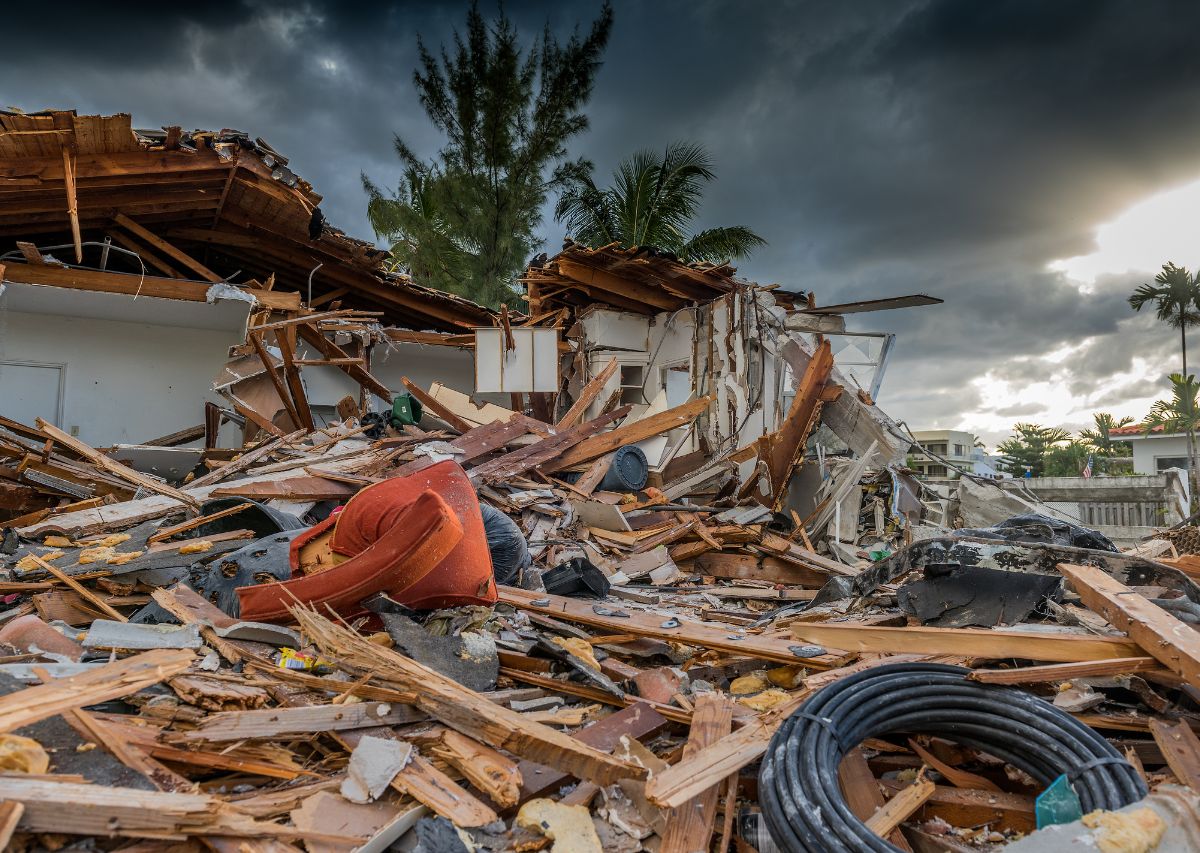
Hurricanes represent nature’s most destructive weather events, capable of causing catastrophic damage to homes, businesses, and infrastructure within hours. Understanding the types of damage hurricanes cause helps property owners prepare adequately, understand insurance coverage, and plan recovery strategies. Classic Disaster Services in Evanston, IL provides 24/7 emergency restoration for all hurricane-related damage throughout the North Shore, helping residents and businesses recover completely after devastating storms.
Hurricanes cause damage through multiple mechanisms simultaneously including extreme winds exceeding 100 miles per hour, heavy rainfall causing flooding, storm surge pushing seawater inland, flying debris acting as projectiles, and tornadoes that form within larger storm systems. Each damage type requires specialized restoration techniques, and professional assessment determines the most effective recovery approach.
Common Types of Hurricane Damage
Hurricanes create different damage patterns depending on wind speed, duration, and specific storm characteristics. Understanding these patterns helps you recognize damage during assessments and communicate effectively with restoration professionals and insurance companies.
Primary hurricane damage categories include:
- Roof damage represents the most common hurricane destruction affecting 80 to 90 percent of structures in major storm paths. Hurricane-force winds strip shingles, remove flashing, collapse roof framing, and in extreme cases completely remove entire roof structures. Once roofs are compromised, interior water damage accelerates rapidly. Category 3 hurricanes with 111 to 129 mph winds commonly cause severe roof failures, while Category 4 and 5 hurricanes with winds exceeding 130 mph completely tear roofs from buildings regardless of construction quality.
- Window and door destruction occurs as hurricane-force winds and wind-driven debris shatter glass and tear off door frames. Broken windows and doors allow direct wind and rain penetration into home interiors, causing widespread water damage. A single compromised opening allows water to flood interior spaces, saturating insulation, drywall, and structural components.
- Wall collapse can occur when roof framing fails during high winds. Once roofs lose structural support, exterior walls lose their top bracing and become vulnerable to toppling. Wall failures often result from inadequate roof-to-wall connections where rafters are attached only with toenails rather than proper hurricane ties and connectors.
- Foundation damage and uplift occurs when wind pressure flowing over roofs creates upward forces exceeding the weight of the structure. This uplift effect can tilt buildings, slide them off foundations, or create catastrophic failures. Foundation cracks and shifting reduce structural stability and create safety hazards.
- Flooding from storm surge and heavy rainfall causes extensive water damage to properties. Storm surge pushes seawater inland at devastating heights up to 20 feet above normal sea level. Heavy rainfall causes inland flooding that can persist for days after storms pass. Floodwater contains sewage, chemicals, and debris creating serious contamination.
- Flying debris becomes lethal projectiles during hurricane-force winds. Tree branches, roofing materials, signs, outdoor furniture, and countless other items strike structures causing damage equivalent to shotgun blasts. Debris can penetrate siding, break windows, and cause structural damage.
- Tree damage from wind uprooting entire trees and snapping large branches causes property damage, crushes structures, brings down power lines, and blocks roads. Fallen trees can damage roofs, walls, and vehicles causing tens of thousands of dollars in damage.
- Water infiltration through damaged roofs, windows, doors, and siding causes interior damage to walls, insulation, flooring, electrical systems, and personal belongings. Water damage often exceeds wind damage costs in total economic impact.
- Mold growth develops within 24 to 48 hours after water enters buildings and insulation. Mold spreads rapidly through moist materials, damaging structural integrity and creating serious health hazards through airborne spore inhalation.
- Power outages from downed power lines leave homes without electricity, heating, cooling, refrigeration, or communication. Extended outages lasting days or weeks create uninhabitable conditions and prevent recovery efforts.
Structural and Foundation Damage from Hurricanes
Structural damage represents the most serious and costly hurricane impacts, sometimes causing complete loss of buildings.
Severe structural damage patterns include:
Foundation failures occur when storm surge scour and wave action undermine footings and remove surrounding soil. In some cases, excessive soil erosion can even trigger sinkhole formation after hurricanes, posing additional risks to property stability.
Scouring effects can erode soil up to 20 feet deep around pilings and foundations, loosening structural support systems. The combined pressure of wind and water can exceed the structural capacity of foundations, causing catastrophic failure.
Uplift damage happens when wind flowing over roofs creates aerodynamic lift that pulls buildings upward. Inadequate roof-to-wall connections allow the entire roof system to separate from exterior walls. Once roofs detach, remaining walls lose top bracing and collapse easily in sustained high winds.
Wall failure often results from roof failure rather than direct wind impact on walls. Once roofs are removed or severely damaged, walls lose the structural support provided by roof framing. Walls then topple or collapse when exposed to sustained high winds.
Structural connection failures occur at critical joints where different structural components connect. Inadequately fastened connections fail first during high winds. Proper hurricane ties connecting roof framing to wall plates, and wall plates to foundations, prevent catastrophic failures.
Water Damage and Flooding After Hurricanes
Water damage often exceeds wind damage in total cost, occurring through multiple pathways simultaneously.
Major water damage sources include:
Storm surge flooding occurs in coastal communities where hurricane winds push ocean water inland creating temporary sea level rises up to 20 feet. This saltwater intrusion floods basements, first floors, and low-lying areas, destroying everything in its path. Salt water is particularly corrosive to electrical systems, metals, and structural materials.
Heavy rainfall produces intense precipitation rates of 10 to 20 inches per day during major hurricanes. This rainfall overwhelms storm drainage systems, causes creek and river flooding, and creates flash flood conditions. Inland flooding from precipitation affects communities far from coasts.
Freshwater flooding from rivers and streams occurs as heavy rainfall accumulates in watersheds. Rivers swell beyond banks inundating entire valleys and communities. River flooding can persist for days or weeks after storms pass.
Wind-driven rain penetrates through openings created by wind damage. A single broken window or compromised door allows massive quantities of wind-driven rain to enter homes, saturating interior spaces.
Sewer backup occurs when storm surge pressure pushes seawater back through municipal sewer systems. Sewage backs up into homes through floor drains and toilet fixtures, creating hazardous black water contamination requiring specialized remediation.
Water accumulation in basement spaces causes mold growth on drywall, electrical hazards, and structural damage as water saturates concrete, wood framing, and insulation.
Category-Specific Hurricane Damage Patterns
Different hurricane categories cause predictable damage patterns based on wind speed.
Category classifications and damage expectations:
Category 1 hurricanes with 74 to 95 mph winds cause minor to moderate damage including roof shingle loss, gutter damage, power outages, and some structural damage to mobile homes. Tree branches may snap and some trees uproot.
Category 2 hurricanes with 96 to 110 mph winds cause extensive damage including roof structural damage, window and door failure, mobile home destruction, and vegetation stripping. Power outages last from days to weeks.
Category 3 hurricanes with 111 to 129 mph winds cause severe damage including roof failure, wall damage, mobile home destruction, and major structural failure. Well-built homes experience roofs removed and some exterior walls damaged. Power outages last weeks to months.
Category 4 hurricanes with 130 to 156 mph winds cause catastrophic damage including complete roof structures removed, major wall failure, and severe structural damage to well-built homes. Most windows and doors blown off. Vegetation completely stripped. Power outages last months.
Category 5 hurricanes with winds exceeding 157 mph cause catastrophic destruction. Complete roof and wall failure occurs. Entire buildings destroyed. Complete power outages lasting extended periods.
Professional Hurricane Damage Assessment and Restoration
Professional assessment and restoration dramatically improves recovery outcomes and accelerates rebuilding.
Complete restoration process steps include:
Initial emergency response prevents further damage through tarping roof breaches, boarding broken windows, and removing standing water. Temporary stabilization costs 200 to 1,000 dollars but prevents thousands in additional damage.
Comprehensive damage assessment identifies visible damage and hidden water penetration. Professional assessment costs 250 to 450 dollars but prevents overlooking damage that would worsen during recovery.
Water extraction and drying eliminates standing water and moisture using industrial equipment. This phase costs 1,000 to 5,000 dollars depending on flooding extent. Homeowners may also face persistent odors from fuel or chemical contamination—learn how to get rid of lingering odors after flooding to restore indoor air quality safely.
Debris removal clears fallen trees, damaged materials, and storm debris from properties. Professional debris removal costs 100 to 1,500 dollars depending on volume.
Structural repairs restore roofing, walls, windows, doors, and foundations to safe working condition. Roof repairs range from 1,500 to 20,000 dollars depending on damage severity.
Water damage restoration addresses drywall replacement, flooring restoration, and electrical system repairs. Water damage restoration costs 500 to 2,500 dollars for drying and dehumidification.
Mold remediation prevents and removes mold growth, costs 1,000 to 10,000 dollars depending on affected areas.
Contents restoration addresses water-damaged furniture, personal possessions, and other belongings. Professional contents restoration uses specialized drying equipment and storage facilities.
Electrical system inspection ensures safety before power restoration, costing 200 to 500 dollars for comprehensive assessment.
Complete reconstruction restores buildings to pre-damage condition using quality materials and expert craftsmanship.
Understanding Hurricane Damage Restoration Costs
Total restoration costs vary dramatically based on damage severity, property size, and damage type.
Cost ranges by damage category:
Minor hurricane damage from Category 1 to 2 storms costs 2,000 to 5,000 dollars including temporary repairs, minor water extraction, and basic restoration.
Moderate damage from Category 2 to 3 storms costs 5,000 to 15,000 dollars including significant roof repairs, water damage restoration, and structural repairs.
Severe damage from Category 3 to 4 storms costs 15,000 to 50,000 dollars including major structural repairs, extensive water damage restoration, and roof replacement.
Catastrophic damage from Category 4 to 5 storms costs 50,000 to 250,000 dollars or more including complete reconstruction, foundation repairs, and total building restoration.
National average restoration costs reach 12,346 dollars, with typical ranges between 2,686 to 22,059 dollars for residential properties.
Labor costs represent the largest expense at 50 to 150 dollars per hour for specialized storm restoration work. Roofing and water damage specialists command premium rates due to safety hazards and required certifications.
Insurance coverage heavily impacts out-of-pocket costs. Comprehensive coverage significantly reduces direct expenses, but understanding deductibles and exclusions proves critical.
Evanston and North Shore Specific Hurricane Risks
While direct hurricane strikes rarely reach northern Illinois, tropical storm remnants and nor’easters create significant damage.
Proximity to Lake Michigan causes storm surge effects when tropical storms bring intense rainfall and onshore winds. Lake surge combined with heavy rainfall overwhelms municipal drainage systems causing widespread basement flooding.
Aging municipal sewer infrastructure cannot process intense rainfall, causing sewage backup into basements and throughout neighborhoods. North Shore municipalities are working to upgrade systems but improvements progress slowly.
Mature tree population in historic neighborhoods creates tree damage when high winds snap or uproot large branches. Tree damage represents a significant portion of North Shore storm damage.
Historic homes with older construction methods and aging waterproofing are more vulnerable to water infiltration than modern construction. Original brick foundations, single-pane windows, and outdated flashing create entry points for water.
Power outages affect critical services in older neighborhoods where electrical systems may already be strained. Underground power lines in some North Shore communities provide better protection than above-ground wires.
Frequently Asked Questions
What is the most common type of hurricane damage to homes?
Roof damage represents the most common hurricane destruction affecting 80 to 90 percent of buildings in major hurricane paths. Wind removes shingles, tears flashing, collapses framing, and completely lifts entire roof structures from buildings during Category 3 and stronger hurricanes. Once roofs are compromised, interior water damage occurs rapidly as rain enters through openings. Roof failure often triggers secondary damage to walls and structural elements that lose support from the failed roof system. Professional roof inspection immediately after hurricanes catches damage before water penetration causes extensive interior damage requiring more costly restoration.
How much does hurricane damage restoration typically cost?
Hurricane damage restoration costs vary from 2,000 dollars for minor Category 1 damage to 250,000 dollars or more for catastrophic Category 5 destruction. Average restoration costs reach 12,346 dollars nationally with typical ranges between 2,686 to 22,059 dollars for residential properties. Specific costs depend on damage type, property size, and required restoration scope. Labor costs represent the largest expense at 50 to 150 dollars per hour for specialized technicians. Insurance coverage significantly affects out-of-pocket expenses by reducing direct costs through claim settlement. Professional damage assessment at 250 to 450 dollars helps prevent overlooking damage that would escalate restoration costs significantly during recovery.
What should I do if my home is damaged by a hurricane?
First ensure family safety by assessing structural integrity and identifying electrical or gas hazards. Do not enter homes with visible structural damage until professional assessment confirms safety. Document all damage with photographs and videos immediately for insurance claims before beginning any cleanup. Contact your insurance company immediately to report damage and initiate claims processing. Call Classic Disaster Services 24/7 for emergency storm damage restoration including temporary stabilization, water extraction, debris removal, and professional reconstruction. Professional restoration specialists respond immediately to prevent secondary damage from water intrusion and mold growth that would dramatically increase final restoration costs.
For 24/7 emergency hurricane damage restoration in Evanston and throughout the North Shore, trust Classic Disaster Services. Our certified specialists respond immediately to assess damage, prevent further deterioration, and restore your property completely. Call 224-251-8444 or email info@classicdisaster.com to schedule emergency service or begin restoration today.