
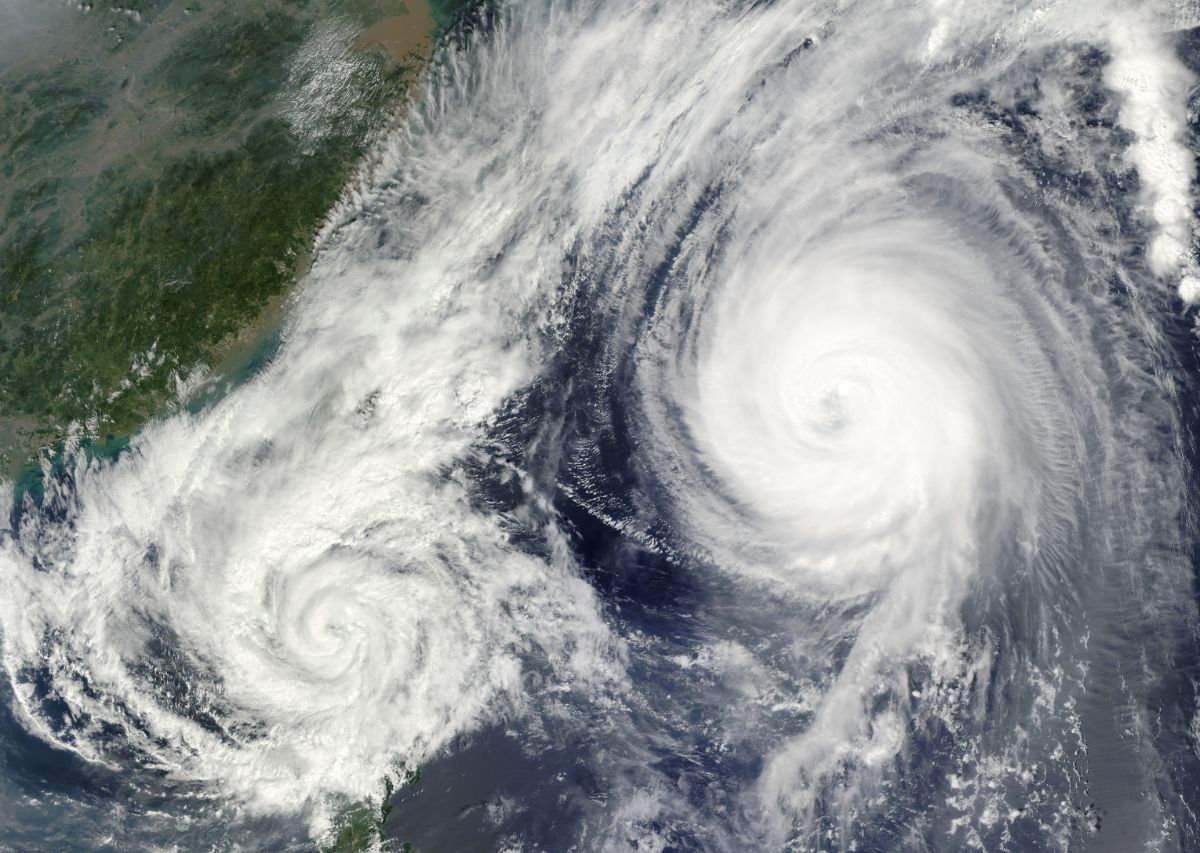
Hurricanes, typhoons, and cyclones represent nature’s most destructive storms, capable of causing catastrophic damage to homes and businesses within minutes. While these tropical storms go by different names depending on geographic location—hurricanes in the Atlantic and Eastern Pacific, typhoons in the Western Pacific, and cyclones in the Indian Ocean—they all demand serious preparation and emergency response planning. Classic Disaster Services in Evanston, IL provides 24/7 emergency restoration for storm damage throughout the North Shore, helping residents and businesses recover completely from severe weather disasters.
Understanding how to prepare your home before severe tropical storms arrive dramatically reduces damage and protects your family’s safety. This comprehensive guide covers essential preparation strategies, emergency planning, and professional restoration resources for storm damage recovery.
Understanding Storm Differences and Local Impact
While hurricanes, typhoons, and cyclones are meteorologically identical storm systems, understanding the terminology helps you stay informed about threats. Hurricanes occur in the Atlantic Ocean and Eastern Pacific, typhoons develop in the Western Pacific near Asia, and cyclones form in the Indian Ocean and South Pacific. These tropical cyclones feature rotating wind patterns, extreme rainfall, and storm surge that cause devastating damage.
For Evanston and North Shore residents, while direct hurricane strikes are rare, tropical storm remnants and nor’easters bring significant wind, flooding, and storm surge damage. Even distant hurricanes affecting the Gulf Coast can send remnants northward, bringing heavy rain and flooding to Illinois. Understanding your region’s specific storm risks helps you prepare appropriately.
Storm surge represents the most destructive element, where ocean water is pushed ashore by hurricane-force winds, flooding coastal areas with saltwater and debris. In some cases, extreme flooding can even destabilize the ground — learning to understand how a sinkhole forms and contributes to ground collapse can help homeowners recognize hidden post-storm hazards.
For North Shore communities near Lake Michigan, similar surge effects can occur, overwhelming municipal drainage systems and causing basement flooding. Understanding these mechanisms helps you implement proper protection.
Pre-Season Home Preparation Strategy
The best time to prepare is months before hurricane season arrives. Comprehensive home hardening prevents damage before storms strike.
Essential pre-season preparation steps include:
Inspect your roof thoroughly for loose or damaged shingles, flashing problems, or areas where wind could penetrate. Professional roof inspections identify vulnerabilities that wind can exploit. Repair all loose components, replace damaged sections, and ensure gutters are securely fastened. Roof failure represents one of the most common storm damage mechanisms, allowing wind and rain into your home’s interior.
Check walls, eaves, and foundation seals for cracks or gaps where wind-driven rain can enter. Seal all openings with caulk or weatherproofing materials. Poorly sealed homes allow rainwater penetration that damages interior walls, insulation, and electrical systems even if the roof remains intact.
Trim trees around your property, removing dead limbs, branches hanging over your roof or power lines, and any branches within ten meters of structures. Dying or diseased trees should be removed entirely. During high winds, uncontrolled tree branches become dangerous projectiles causing severe property damage and creating hazards.
Secure or bring indoors all outdoor furniture, trash cans, grills, propane tanks, and other loose items. Hurricane-force winds turn unsecured objects into lethal projectiles traveling at dangerous speeds. Anchoring large items like boats and sheds to the ground prevents wind from displacing them.
Evaluate your property drainage systems. Clear gutters, downspouts, and storm drains of debris. Extend downspouts at least six to ten feet from your foundation to direct water away. For properties prone to flooding, consider sump pump installation or backup systems to prevent basement water entry.
Install storm shutters or prepare plywood boards to cover windows, doors, and other large openings. Wind-resistant windows and impact-resistant doors offer the highest protection but require significant investment. More economical plywood sheets cut to fit your window openings can be quickly installed when storms threaten.
Review and update homeowner’s insurance coverage. Understand what is covered and what requires additional flood insurance. Document your home’s contents with photographs or video for insurance purposes.
Emergency Supply Kit Preparation
Being ready with proper supplies ensures your family can survive without utilities or outside assistance for extended periods.
Complete emergency kit essentials include:
Water storage representing one gallon per person per day for at least two weeks. This supplies drinking water, cooking, and basic washing. Store water in food-grade containers and rotate supplies every six months to ensure freshness.
Non-perishable food requiring no cooking or only minimal preparation. Stock items like peanut butter, crackers, nuts, canned goods, energy bars, and dried fruits. In extended outages, refrigeration and cooking capability disappear, making shelf-stable foods critical for survival.
Medications and medical supplies including prescriptions, insulin, inhalers, and other essential medications representing a two-week minimum supply. Keep medications in original containers with clear labeling. Include basic first aid supplies, bandages, pain relievers, and any specialized medical equipment.
Lighting and power including flashlights with extra batteries, battery-powered or hand-crank radios, and backup power sources for cell phones and critical medical devices. Generators provide backup power for essential appliances and refrigeration. Never operate generators indoors as they produce deadly carbon monoxide.
Important documents and irreplaceable items placed in waterproof, fireproof containers. Include insurance policies, deed documents, medical records, financial information, photographs, and family heirlooms. Digital backups stored in cloud storage provide additional protection.
Tools and equipment including tarps, rope, duct tape, wrench for utility shut-offs, fire extinguishers, and wet-dry vacuums for post-storm water removal. Having these items ready dramatically speeds recovery efforts.
Personal protective equipment including work gloves, sturdy boots, hard hats, and N-95 masks for dealing with debris and contaminated floodwater.
Pet supplies including food, water, carriers, medications, and identification tags. Animals need emergency planning as much as family members do.
When Storms Threaten: Last-Minute Preparation
Once a hurricane warning is issued, time becomes critical. Execute these steps immediately if you have not already done so.
Critical final preparation actions include:
Secure all loose outdoor items by bringing them indoors or anchoring them to the ground. Items left unsecured become dangerous projectiles during extreme winds. This includes garbage cans, patio furniture, potted plants, lawn equipment, and anything else that can be moved by wind.
Install storm shutters or board up windows with plywood. Protect all glass openings including regular windows, sliding glass doors, skylights, and glass-paneled garage doors. Cover openings completely to prevent wind-driven rain penetration.
Fill bathtubs and large containers with water for emergency supply. Water pressure often fails during storms, and having stored water ensures flushing capability and drinking water access.
Fill vehicle gas tanks completely. You may need to evacuate quickly, and gas stations close during severe weather or become inaccessible due to flooding or power loss.
Locate shut-off valves for water, gas, and electrical systems. Know how to access and operate them. You may need to shut off utilities quickly if flooding or gas leaks threaten your home.
Review evacuation routes and nearest shelter locations. Ensure family members understand the plan and know where to meet if separated during evacuation.
Charge all battery-powered devices and backup power banks. Cell phones and communication devices become critical during emergencies.
Create a family communication plan with designated out-of-state contact persons who can relay messages between family members if local communication systems fail.
During the Storm: Safety Protocols
Once a hurricane hits, safety depends on proper shelter location and avoiding dangerous conditions.
Critical storm safety measures include:
Take shelter in the safest location available. For homes without basements, interior rooms on the lowest level away from windows provide maximum protection from wind-driven debris and water penetration. Bathrooms often offer the strongest interior rooms due to reinforced plumbing and fixtures.
Never enter floodwaters. As little as six inches of moving water can sweep people off their feet. Floodwater often contains sewage, hazardous chemicals, and debris creating serious health hazards. Electrocution risks from downed power lines make flooded areas extremely dangerous.
Stay away from windows and sliding glass doors. Wind-driven debris shatters glass creating dangerous projectiles inside your home.
Avoid using candles or gas stoves for lighting or heating as fires and explosions represent serious post-power-outage hazards. Use flashlights and battery-powered devices exclusively.
Monitor weather updates continuously using battery-powered radios or mobile devices. Local authorities provide critical information about storm timing, damage assessments, and evacuation orders.
Turn off utilities if water enters your home or gas leaks are suspected. Electrical shock and gas explosions create life-threatening hazards in flooded buildings.
Evacuate immediately if authorities order evacuation or if your shelter becomes unsafe. Follow designated evacuation routes and do not attempt shortcuts that may be blocked by debris or flooding.
Professional Storm Damage Restoration
After severe storms pass, professional restoration becomes necessary for most properties.
Complete professional restoration process includes:
Initial assessment evaluates structural damage, water infiltration, electrical hazards, and hazardous materials requiring special handling. This assessment determines restoration scope and priorities.
Water removal and drying eliminate standing water and moisture penetration. Industrial equipment dramatically speeds water removal compared to standard pumps. In some cases, floodwater mixed with fuel or oil from generators can cause strong odors — knowing how to remove lingering gasoline odor after flooding or storm damage helps restore safe indoor air quality.
Debris removal clears fallen trees, damaged materials, and storm debris from the property. Professional equipment handles large debris safely.
Damage mitigation prevents additional water entry through roof breaches, broken windows, or foundation cracks. Tarping exposed areas prevents interior water damage during subsequent rains.
Structural repairs restore compromised walls, roofing, windows, and foundations to safe, functional condition.
Electrical system inspection and repairs ensure safety before power restoration.
Mold remediation addresses moisture-related mold growth before it spreads throughout the home. Homeowners should also know how to treat and remove black mold growing on drywall after water damage to prevent serious structural and health risks.
Contents restoration addresses water-damaged furniture, personal possessions, and other contents.
Reconstruction restores your home to pre-damage condition using quality materials and expert craftsmanship.
Storm Damage Prevention and Recovery for Evanston and North Shore Homes
Evanston and North Shore communities face unique storm challenges. Older construction methods, mature landscaping with large trees, and proximity to Lake Michigan create special vulnerabilities.
Municipal infrastructure limitations sometimes overwhelm drainage systems during intense rainfall events. Basement flooding becomes common when storm drains back up or sump pumps cannot keep pace with water entry. Professional sump pump systems with battery backup provide critical protection during extended power outages.
Aging roofing on historic homes becomes vulnerable to wind damage. Regular inspection and preventive maintenance extend roof life and maintain weather protection integrity.
Tree management becomes critical in neighborhoods with mature landscaping. Regular pruning and removal of compromised trees prevent branch failure during storms.
Frequently Asked Questions
What is the difference between hurricanes typhoons and cyclones?
Hurricanes typhoons and cyclones are meteorologically identical tropical cyclone systems differing only in geographic location and terminology. Hurricanes occur in the Atlantic Ocean and Eastern Pacific affecting North America and the Caribbean. Typhoons develop in the Western Pacific region near Asia including countries like the Philippines Japan and China. Cyclones form in the Indian Ocean and South Pacific affecting Australia and other Southern Hemisphere nations. All three feature similar wind patterns extreme rainfall rates and destructive storm surge despite different regional names. For Evanston residents tropical storm remnants may bring damaging winds and flooding even though direct hurricane strikes remain rare in Illinois.
How much warning time do you get before a hurricane typhoon or cyclone hits?
Meteorological services typically issue hurricane watches forty-eight to seventy-two hours before anticipated arrival providing critical preparation time. Weather forecasting accuracy improves dramatically as storms approach closer to land. Watches alert residents to increased risk while warnings indicate imminent threat requiring immediate action. Storm tracking systems follow hurricane development continuously from formation through landfall. Modern weather satellites provide detailed storm information allowing forecasters to predict paths intensity and timing with reasonable accuracy. Having forty-eight to seventy-two hours allows sufficient time for home preparation evacuation planning and obtaining emergency supplies if you act immediately upon receiving warnings.
What should I do if my home is damaged by a hurricane typhoon or cyclone?
First ensure immediate family safety by assessing structural integrity and hazards before remaining in the damaged home. Document all damage with photographs and videos for insurance purposes before beginning cleanup or repairs. Contact your insurance company immediately to report the damage and initiate the claims process. Do not enter flooded areas or damaged structures containing electrical hazards until professionals assess safety. Call Classic Disaster Services twenty-four-seven for emergency storm damage restoration including water removal debris removal and professional reconstruction. Professional restoration dramatically speeds recovery and prevents secondary damage from mold growth and continued water infiltration.
For 24/7 emergency storm damage restoration in Evanston and throughout the North Shore, trust Classic Disaster Services. Our certified specialists respond immediately to assess storm damage, remove debris, extract water, prevent mold, and restore your home completely. Call 224-251-8444 or email info@classicdisaster.com to schedule emergency service or begin storm damage restoration today.